ការគាំទ្របន្ទាប់ពីលក់:
 EN
EN
 AR
AR
 HR
HR
 NL
NL
 FI
FI
 FR
FR
 DE
DE
 EL
EL
 HI
HI
 IT
IT
 PT
PT
 RO
RO
 RU
RU
 ES
ES
 TL
TL
 ID
ID
 SL
SL
 VI
VI
 ET
ET
 MT
MT
 TH
TH
 FA
FA
 AF
AF
 MS
MS
 IS
IS
 MK
MK
 HY
HY
 AZ
AZ
 KA
KA
 UR
UR
 BN
BN
 BS
BS
 KM
KM
 LO
LO
 LA
LA
 MN
MN
 NE
NE
 MY
MY
 UZ
UZ
 KU
KU


ព័ត៌មាន
របៀបជ្រើសរើសទុក្ខាគារពាណិជ្ជកម្មប្រភេទ Reach-In ដែលត្រឹមត្រូវសម្រាប់សេវាកម្មផ្គត់ផ្គង់គ្រាប់ប៉ោងនៅឆ្នាំ ២០២៦
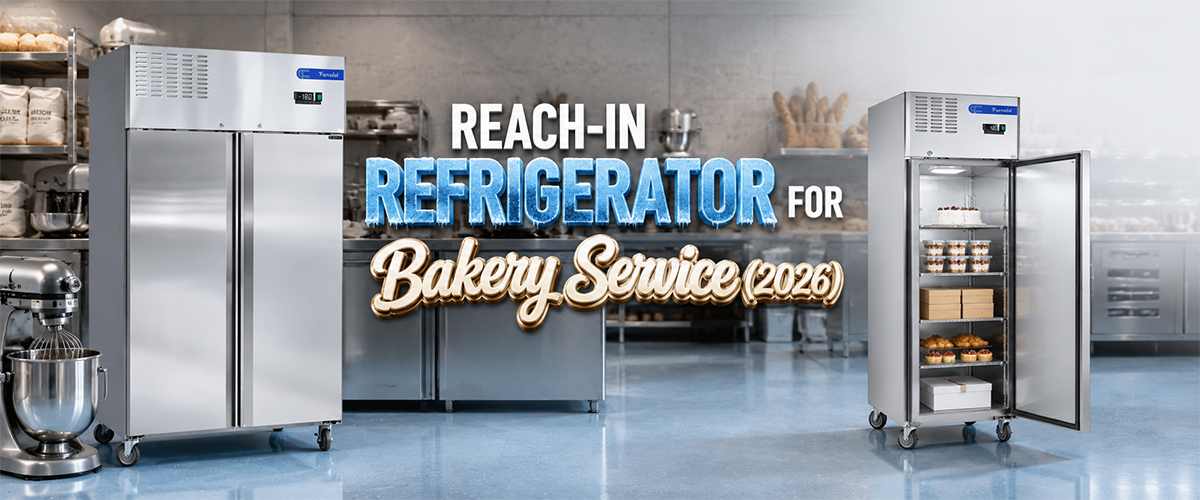
ទូទឹកកកពាណិជ្ជកម្មប្រភេទ Reach-In សម្រាប់ប្រើប្រាស់ក្នុងផ្នែកប៉េងប៉ោងត្រូវធ្វើបានល្អនូវបីយ៉ាង៖ រក្សាបាននូវសីតុណ្ហភាពស្ថិរស្ថេរចន្លោះ ១ ដល់ ៥ អង្សាសេលស៊ីអ៊ីស, អាចដាក់ថាសប៉េងប៉ោងទំហំពេញបានដោយគ្មានការកែប្រែ, និងបន្តដំណើរការបានយ៉ាងអាចទុកចិត្តបានក្នុងបរិយាកាសប៉េងប៉ោងដែលក្តៅ មានផ្សិត និងមានសកម្មភាពខ្លាំងជាច្រើនម៉ោងក្នុងមួយថ្ងៃ។ លើសពីកត្តាមូលដ្ឋានទាំងនេះ ការសម្រេចចិត្តនេះអាស្រ័យលើទំហំ ប្រភេទ ប្រសិទ្ធភាពថាមពល និងគុណភាពនៃការផលិត។
នៅក្នុងប្លុកនេះ SHINELONG ប៉ាន់ប៉ាល់កត្តានីមួយៗយ៉ាងច្បាស់ ដោយមានការប្រៀបធៀប និងការណែនាំអំពីម៉ាក ដើម្បីជួយកាត់បន្ថយជម្រើស។
តើអ្វីទៅដែលធ្វើឱ្យទូទឹកកកសម្រាប់ផ្នែកប៉េងប៉ោងខុសពីទូទឹកកកធម្មតា?
មិនមានតែងតែគ្រប់ត្រជាក់ពាណិជ្ជកម្មទាំងអស់ដែលត្រូវបានរចនាឡើងសម្រាប់បរិយាកាសធ្វើគ្រាប់។ ត្រជាក់ភេសជ្ជស្តង់ដារភាគច្រើនសម្រាប់ភោជនីយដ្ឋានត្រូវបានរចនាឡើងដោយផ្អែកលើថាស gastronorm និងធុងរៀបចំអាហារ មិនមែនថាសប៉ែក បន្ទះគេចាក់គេក និងថាសដុតដែលបាក់ប៉ែកប្រើប្រាស់ជារៀងរាល់ថ្ងៃទេ។ ត្រជាក់បាក់ប៉ែកប្រភេទ reach-in ធម្មតាមាន៖
- របាររំកិលសម្រាប់ថាស គ្រាប់ដែលដាក់ផ្តេកដែលទប់ថាសប៉ែកទំហំពេញលេញដោយគ្មានការដាក់ជាស្ទើរ
- ចន្លោះខាងក្នុងទទួលបានធំជាង ទំហំគ្រប់គ្រាន់សម្រាប់គេកខ្ពស់ៗ ភេសជ្ជស្ករដែលបានរៀបចំរួច និងថាសធំៗ
- ភាពប្រែប្រួលសីតុណ្ហភាពតឹងតែងជាង ±0.5°C នៅលើគ្រប់ជាន់ មិនមែនគ្រាប់ជាមធ្យមប៉ុណ្ណោះទេ
- ផ្ទៃខាងក្នុងធ្វើពីស្ពាន់អ៊ីណុក ងាយស្រួលសម្អាត និងធន់នឹងសំណើម និងសំណល់ម្សៅ
តើត្រជាក់បាក់ប៉ែកប្រភេទ reach-in គួររក្សាសីតុណ្ហភាពប៉ុន្មាន?
ត្រជាក់ពាណិជ្ជកម្មភាគច្រើនរក្សាសីតុណ្ហភាពចន្លោះ 1°C ដល់ 10°C។ ប៉ុន្តែនៅក្នុងបាក់ប៉ែក និងហាងប៉ែកស្ករ វត្ថុដែលរក្សាទុក — ដុតដែលបានប៉ះទាក់ត្រជាក់ ក្រែម និងផលិតផលទឹកដោះគ cows ថ្មីៗ — ត្រូវការជួរសីតុណ្ហភាពតឹងតែងជាង៖ 1°C ដល់ 5°C។
ភាពស្ថិតស្ថេរនៃសីតុណ្ហភាពមានសារសំខាន់ជាងតម្លៃតែមួយគត់ដែលបង្ហាញនៅលើផ្ទៃ។ ផ្នែកដែលធ្វើពីបាយឆាប់ (dough) ដែលមានសីតុណ្ហភាពខុសនឹងការប៉ះទង្គិចនៃការប៉ះទង្គិច (fermentation) នៅតាមកាលវិភាគ។ ប៉ែតប៉ែត (buttercream) ដែលរក្សាទុកលើសពី ៥°C នឹងបាត់ភាពស្ថិតស្ថេរ។ ការប៉ះទង្គិច (cream fillings) ដែលរក្សាទុកលើសពី ៤°C បង្កគ្រោះថ្នាក់សុវត្ថិភាពអាហារយ៉ាងឆាប់រហ័សជាងការរំពឹងទុករបស់អ្នកភាគច្រើន។ ទូទៅបាការីដែលមានគុណភាពល្អ អាចរក្សាភាពស្ថិតស្ថេរនៃសីតុណ្ហភាព ±០,៥°C នៅគ្រប់ជាន់ទាំងអស់ ពីលើដល់ក្រោម — មិនមែនតែនៅចំណុចដែលមានសេនសើរ (sensor point) ប៉ុណ្ណោះទេ។
គ្រឿងបរិក្ខារដែលមានសេនសើរឌីជីថល និងការចែកចាយសីតុណ្ហភាពដែលស្ថិតស្ថេរពីជាន់មួយទៅជាន់មួយ គួរតែបានទទួលការផ្តល់អាទិភាពជាងគ្រឿងបរិក្ខារដែលគ្រាន់តែធានាថា សីតុណ្ហភាពជាមធ្យមនៅក្នុងបរិវេណ (cabinet temperature) ប៉ុណ្ណោះ។ នៅពេលប្រៀបធៀបគ្រឿងបរិក្ខារ សូមសួរជាក់លាក់អំពីភាពខុសគ្នានៃសីតុណ្ហភាពនៅលើជាន់នីមួយៗក្រោមស្ថានភាពដែលមានបន្ទុក (shelf variance under load) — មិនមែនគ្រាន់តែជាជាប់ចំណាត់ថ្នាក់នៃជាប់ចំណាត់ថ្នាក់សីតុណ្ហភាព (rated temperature range) ប៉ុណ្ណោះទេ។
ភាពខុសគ្នារវាងទូទៅបាការីប្រភេទ Reach-In Refrigerator និង Bakery Retarder/Prover: តើវាមានភាពខុសគ្នាដូចម្តេច?
ភាពខុសគ្នានេះមានសារសំខាន់ជាងគេសម្រាប់បាការីដែលគ្រប់គ្រងដំណាំដែលធ្វើពីបាយឆាប់ (dough fermentation) ជាផ្នែកមួយនៃដំណាំផលិតកម្មរបស់ពួកគេ។
ទុក្ខិតស៊ីឡាេងដែលអាចចូលទៅក្នុងបានគឺជាឧបករណ៍ផ្ទុកត្រជាក់ប៉ះពាល់បញ្ឈរ ដែលត្រូវបានរចនាឡើងដើម្បីបង្កើនផ្ទៃផ្ទុកប្រើប្រាស់បានអតិបរមាក្នុងទំហំដែលមានកំណត់។ ដែលមានប្រព័ន្ធគ្រប់គ្រងសីតុណ្ហភាពដែលមានស្ថេរភាព និងប្រព័ន្ធប៉ះពាល់ត្រជាក់ដែលអាចទុកចិត្តបាន វាបង្កើតបរិយាកាសល្អបំផុតសម្រាប់ផ្ទុកផលិតផលចប់ គ្រឿងផ្សំដែលបានរៀបចំរួច ផលិតផលទឹកដោះគោ ផ្លែឈើ និងគ្រឿងផ្សំឆ្អិនមិនទាន់។ ក្នុងការរៀបចំប៉ែកខាងផលិតផល ទុក្ខិតស៊ីឡាេងដែលអាចចូលទៅក្នុងបានគឺជាជម្រើសស្តង់ដារសម្រាប់ការផ្ទុកត្រជាក់ — រចនាប៉ះពាល់បញ្ឈរធ្វើឱ្យគ្រប់យ៉ាងងាយស្រួលចូលប្រើប្រាស់ ដោយមិនយកទំហំកន្លែងរៀបចំដែលមានតម្លៃទៅប្រើប្រាស់។
ឧបករណ៍បន្ថយល្បឿន ឬឧបករណ៍ប៉ះពាល់លើកលែង (retarder ឬ prover) គឺជាឧបករណ៍ពិសេសមួយប្រភេទ ដែលគ្រប់គ្រងសីតុណ្ហភាព និងសំណើមក្នុងពេលតែមួយ។ ឧបករណ៍បន្ថយល្បឿន (retarder) ធ្វើឱ្យដំណាំបាយ (dough) មានល្បឿនបន្ថយការប៉ះពាល់ដោយរក្សាវានៅសីតុណ្ហភាពទាប ដោយមានការគ្រប់គ្រងសំណើម។ ឧបករណ៍ប៉ះពាល់លើកលែង (prover) ធ្វើផ្ទុយទៅវិញ — វាប៉ះពាល់លើកលែងដំណាំបាយដោយប្រើកំដៅ និងសំណើម។ មានឧបករណ៍បន្ថយល្បឿន-ប៉ះពាល់លើកលែងប្រភេទរួម (combination retarder-prover) ដែលអាចធ្វើទាំងពីរបាន។
ទាំងពីរមានតួនាទីខុសគ្នាដោយច្បាស់លាស់ក្នុងដំណាំផលិតកម្ម។ ការប្រើប្រាស់ប្រអប់បើកចូល (reach-in) មិនអាចជំនួសប្រអប់ធ្វើឱ្យយឺត (retarder) បានទេ ក្នុងដំណាំគ្រប់គ្រងដង់ (dough)។ សម្រាប់ភាគច្រើននៃរោងប៉េងប៉ែវ ឧបករណ៍ទាំងពីរប្រភេទនេះគឺជាផ្នែកមួយនៃការរៀបចំផលិតកម្ម — ប្រអប់ធ្វើឱ្យយឺតសម្រាប់គ្រប់គ្រងដង់រាល់យប់ និងប្រអប់បើកចូលមួយឬច្រើនសម្រាប់ការផ្ទុកត្រជាក់នៃអ្វីៗគ្រប់យ៉ាងផ្សេងទៀត។
៥ កត្តាសំខាន់ៗ នៅពេលជ្រើសរើសម៉ាស៊ីនបើកចូលសម្រាប់ហាងប៉េងប៉ែវ
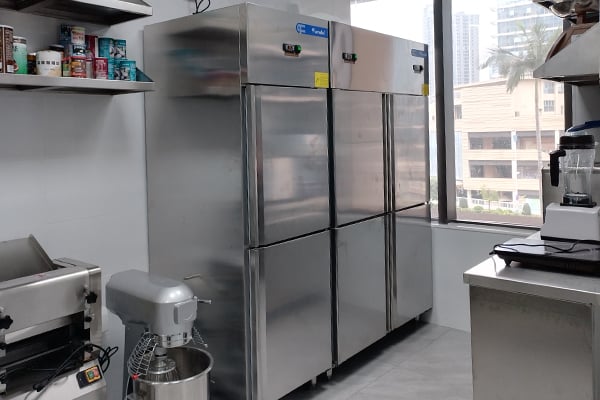
ទាំងនេះគឺជាប្រវែងប្រាំដែលមានឥទ្ធិពលខ្លាំងបំផុតលើប្រសិទ្ធភាពប្រចាំថ្ងៃក្នុងបរិយាកាសហាងប៉េងប៉ែវ។
១. សមត្ថភាព និងវាស់វែងផ្ទៃក្នុង
សមត្ថភាពត្រូវបានវាស់ជាផុតគូប (cubic feet) ឬលីត្រ (litres)។ សំខាន់ជាងសរុបបរិមាណគឺថា តើផ្ទៃក្នុងមានសមស្របសម្រាប់ការប៉េងប៉ែវឬអត់ ជាពិសេសថា តើវាមានរ៉ែលសម្រាប់ដាក់ថាស (tray slide rails) ជាន់ដែលអាចលៃតម្រូវបាន និងមានចន្លោះបើកទ្វារគ្រប់គ្រាន់សម្រាប់ថាសពេញលេញស្តង់ដារ ដែលជាទូទៅមានទំហំ ៤៦ x ៦៦ សម។ ម៉ាស៊ីនមួយដែលមើលទៅធំនៅលើក្រដាស ប៉ុន្តែខ្វះរ៉ែលសម្រាប់ដាក់ថាស នឹងបាត់បង់បរិមាណផ្ទៃក្នុងភាគច្រើនរបស់វាក្នុងដំណាំប្រតិបត្តិការជាក់ស្តែងនៅក្នុងហាងប៉េងប៉ែវ។
២. ជួរសីតុណ្ហភាព និងស្ថេរភាព
សម្រាប់ប្រើប្រាស់ក្នុងរោងប៉េងប៉ែវ ជួរគោលដៅគឺ ១°C–៥°C។ គ្រឿងបរិក្ខារដែលមានថេរភាពឌីជីថល និងការចែកចាយសីតុណ្ហភាពដែលស្ថិតស្ថេរពីឆ្អឹងទៅឆ្អឹង គួរតែបានទទួលបានអាទិភាពជាងគ្រឿងបរិក្ខារដែលគ្រាន់តែធានាសីតុណ្ហភាពជាមធ្យម។
៣. ប្រភេទទ្វារ — រឹង ឬ កញ្ចក់
ទ្វាររឹងផ្តល់នូវការការពារកំដៅបានល្អជាង និងប្រើប្រាស់ថាមពលតិចជាង។ ទ្វារកញ្ចក់អនុញ្ញាតឱ្យបុគ្គលិកមើលឃើញស្តុកដោយមិនចាំបាច់បើកគ្រឿងបរិក្ខារ ដែលជួយកាត់បន្ថយការចូលទៅក្នុងខ្យល់ក្តៅក្នុងរយៈពេលដែលមានការបម្រើច្រើន។ ការជ្រើសរើសត្រឹមត្រូវអាស្រ័យលើរបៀបប្រើប្រាស់ទូទៅនៃម៉ាស៊ីនប៉ះកំដៅ — សម្រាប់ការផ្ទុកនៅខាងក្រោយ ឬសម្រាប់បង្ហាញ ឬប្រើប្រាស់នៅខាងមុខ។
៤. ចំនួនទ្វារ
ចំនួនទ្វារទាក់ទងដោយផ្ទាល់ជាមួយបរិមាណការផ្ទុក និងផលិតកម្មប្រចាំថ្ងៃ។ គ្រឿងបរិក្ខារមួយទ្វារសាកសមសម្រាប់រោងប៉េងប៉ែវតូចៗ។ គ្រឿងបរិក្ខារពីរ ឬបីទ្វារសាកសមជាងសម្រាប់ផលិតកម្មប៉េងប៉ែវកម្រិតមធ្យមដល់ខ្ពស់។
៥. ការសាងសង់ពីស្ពាន់អ៊ីណុក
បរិវេណផ្ទះសម្រាប់ធ្វើអាហារជាប្រភេទពាណិជ្ជកម្ម មានតម្រូវការសុវិស្ស័យដែលត្រឹងរ៉ឹង។ ផ្ទៃខាងក្នុង និងខាងក្រៅដែលធ្វើពីស្ពាន់ស្តៀល ងាយស្រួលសម្អាត និងប្រឆាំងនឹងការរលួយ ហើយត្រូវបានទាមទារសម្រាប់ការបញ្ជាក់គុណភាពអន្តរជាតិក្នុងបរិវេណសេវាអាហារ។ គំរូពាណិជ្ជកម្មដែលមានកេរ្តិ៍ឈ្មោះភាគច្រើនបំពេញតាមស្តង់ដារនេះ — ប៉ុន្តែវាមានតម្លៃក្នុងការពិនិត្យឱ្យបានច្បាស់ ជាពិសេសសម្រាប់គំរូដែលមានថ្លៃសមរម្យ ឬគំរូចូលចូលប្រើប្រាស់។
ទ្វាររឹង ប្រឆាំងនឹងទ្វារកញ្ចក់ — តើណាមួយល្អសម្រាប់ប៉េះស៊ី?
នេះគឺជាសំណួរដែលជាប្រចាំបំផុតក្នុងប៉េះស៊ីពាណិជ្ជកម្ម ការត្រជាក់ ហើយចម្លើយអាស្រ័យលើទីតាំងដែលគំរូត្រូវបានដាក់ និងរបៀបដែលបុគ្គលិកប្រាស់វា។
ទ្វាររឹងនៃទូទឹកកកគឺជាប្រក្រតីសម្រាប់ការផ្ទុកនៅខាងក្រោយផ្ទះ។ វាជួយរក្សាបាននូវសីតុណ្ហភាពខាងក្នុងដែលស្ថិតស្ថេរជាង ពីព្រោះគ្មានផ្ទៃកញ្ចក់ណាមួយដែលបញ្ជូនកំដៅចូលទៅក្នុងបរិវេណផ្ទុកទេ។ ការប្រើប្រាស់ថាមពលជាធម្មតាមានកម្រិតទាបជាង ហើយគំរូទាំងនេះមានសំឡេងស្ងាត់ជាង។ សម្រាប់ការផ្ទុកគ្រឿងផ្សំ ការទុកដាក់ដង់ និងផលិតផលទឹកក្តៅ គំរូដែលមានទ្វាររឹងជាទូទៅគឺជាជម្រើសល្អបំផុត។
ទីតាំងដែលមានទ្វារធ្វើពីកញ្ចក់សម្រាប់ផ្ទុកអាហារក្នុងទីកន្លែងបម្រើ និងបង្ហាញផលិតផល គឺមានប្រយោជន៍ណាស់ ព្រោះបើបុគ្គលិក ឬអត្ថបទចង់មើលអ្វីដែលនៅខាងក្នុង គ្មានចាំបាច់បើកទ្វារទេ ដូចជាការពិនិត្យមើលគ្រឿងផ្សំក្នុងពេលរៀបចំ។ ទោះយ៉ាងណាក៏ដោយ ទ្វារធ្វើពីកញ្ចក់មានសមត្ថភាពការពារកំដៅតិចជាងទ្វារធ្វើពីវត្ថុរឹង ដែលបណ្តាលឱ្យម៉ាស៊ីនបើកបរ (compressor) ត្រូវធ្វើការខ្លាំងជាងមុនដើម្បីរក្សាអោយសើមស្រួលនៅសីតុណ្ហភាពដែលបានកំណត់ ហើយបណ្តាលឱ្យមានការប្រែប្រួលសីតុណ្ហភាពញឹកញាប់ និងប្រើប្រាស់ថាមពលច្រើនជាងមុន។
នៅក្នុងប៉េងប៉ែងដែលមានអ្នកបម្រើច្រើន និងមានតុបង្ហាញនៅខាងមុខ ម៉ាស៊ីនបើកបរដែលមានទ្វារធ្វើពីកញ្ចក់អាចធ្វើឱ្យការពិនិត្យស្តុកលឿនជាងមុន និងកាត់បន្ថយការបើកទ្វារដែលមិនចាំបាច់ក្នុងពេលបម្រើអត្ថបទជាប់គ្នា។ ប៉េងប៉ែងដែលផលិតផលច្រើន ដែលផ្ទុកដង់ស៊ីនក្រោម និងប៉េងប៉ែងប៉េងប៉ែងនៅក្នុងបរិមាណច្រើន ជាទូទៅនឹងប្រើម៉ាស៊ីនបើកបរដែលមានទ្វារធ្វើពីវត្ថុរឹង។ ប៉េងប៉ែងប៉េងប៉ែងតូចដែលមានតុបង្ហាញ ប្រហែលជានឹងប្រើម៉ាស៊ីនបើកបរដែលមានទ្វារធ្វើពីកញ្ចក់សម្រាប់ទីកន្លែងផ្ទុកនៅខាងមុខ ហើយប្រើម៉ាស៊ីនបើកបរដែលមានទ្វារធ្វើពីវត្ថុរឹងនៅក្នុងផ្ទះប៉េងប៉ែង។
| ប្រភេទទ្វារ | គុណសម្បត្តិ | គុណវិបត្តិ | ការប្រើប្រាស់ល្អបំផុត |
| ទ្វារធ្វើពីវត្ថុរឹង | ការការពារកំដៅបានល្អជាង និងប្រើប្រាស់ថាមពលតិចជាង | មិនមានការមើលឃើញផលិតផលពីខាងក្រៅ | ការផ្ទុកនៅខាងក្រោយ |
| ទ្វារថាម | មើលឃើញគ្រប់ទិសទាំងអស់ និងពិនិត្យស្តុកបានងាយស្រួល | ការទទួលបានកំដៅខ្ពស់ជាង និងការប្រើប្រាស់ថាមពលខ្ពស់ជាង | អេក្រាន / ផ្នែកខាងមុខនៃហាង |
តើភ្លេងបាការីត្រូវការទំហំប្រអប់រក្សាអោយត្រជាក់ប៉ុន្មាន?
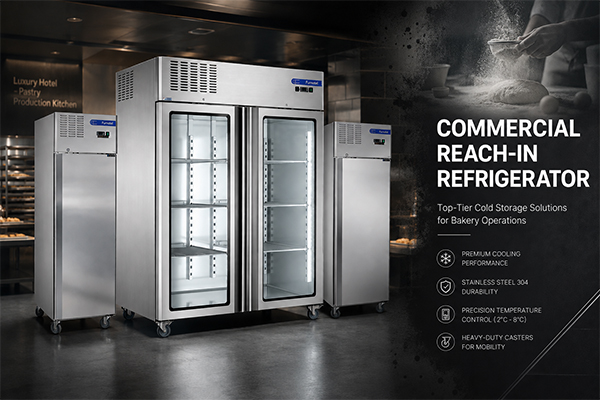
ការជ្រើសរើសទំហំគួរផ្អែកលើផលិតកម្មប្រចាំថ្ងៃ ចំនួនផលិតផលដែលត្រូវការរក្សាទុកក្នុងទំហំប្រអប់រក្សាអោយត្រជាក់នៅពេលណាមួយ និងទំហំផ្ទៃដីដែលមានស្រាប់នៅក្នុងបាយផ្ទះ
| ការរៀបចំទ្វារ | សមត្ថភាព (ប៉ាន់ស្មាន) | ល្អที่สุดសម្រាប់ | ផលិតកម្មប្រចាំថ្ងៃធម្មតា |
| 1 | 395-650 លីត្រ | បាការីតូចៗ ឬកាហ្វេ | តិចជាង ៥០ ឯកតា/ថ្ងៃ |
| 2 | ៩៣៥–១៣០០ លីត្រ | ហាងប៉េងប៉ែក ឬហាងផ្គត់ផ្គង់ប៉េស្តា មធ្យម | ៥០–១៥០ ឯកតា/ថ្ងៃ |
| 3 | ១៤០០ លីត្រ ឡើងទៅ | ផលិតកម្ម/ចែកចាយ | ១៥០ ឯកតា/ថ្ងៃ ឡើងទៅ |
តើទុកដាក់បានទេនូវម្សៅ គ្រឿងផ្សំក្រៀម ផ្លែឈើ និងផលិតផលទឹកដោះគោ នៅក្នុងទុកដាក់ប្រភេទ Reach-in ដែលមានសុវត្ថិភាព? បាទ អាចទុកដាក់បានយ៉ាងសុវត្ថិភាពនៅក្នុងសីតុណ្ហភាព ១°C–៥°C។ គន្លឹះគឺការបែងចែកតំបន់៖ គ្រឿងផ្សំឆ្អិនមិនទាន់ ដាក់នៅជាន់ខាងក្រោម ផលិតផលបានឆ្អិនរួច ដាក់នៅជាន់ខាងលើ និងប្រើប្រអប់បិទជិតសម្រាប់គ្រឿងផ្សំណាមួយដែលមានសារធាតុសំណើម ឬក្លិនខ្លាំង។ ម៉ូដែលដែលមានប្រព័ន្ធដែលមានស្ថ័បត្យភាព អាចទុកដាក់ផលិតផលទាំងបួនប្រភេទនេះបានដោយគ្មានការប្រកួតប្រជែងគ្នា។
ម៉ាកដែលបានណែនាំសម្រាប់ទុកដាក់ប្រភេទ Bakery សម្រាប់ប្រើក្នុងអាជីវកម្ម ឆ្នាំ២០២៦
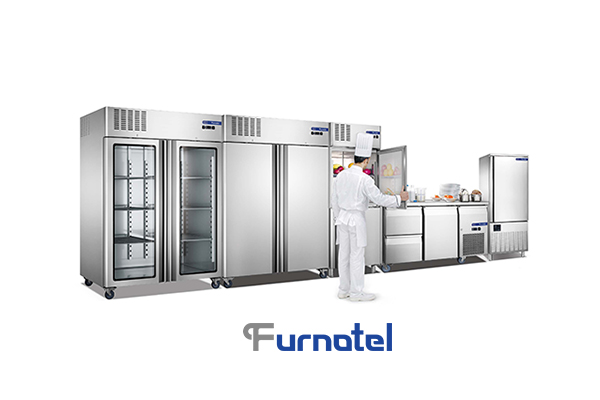
ម៉ាកជាច្រើនបានបញ្ចេញខ្លួនឯងជាម៉ាកដែលគួរឱ្យទុកចិត្តសម្រាប់ប្រព័ន្ធទុកដាក់ប្រភេទ Bakery សម្រាប់ប្រើក្នុងអាជីវកម្ម ឆ្នាំ២០២៦។ ខាងក្រោមនេះគឺជាការបែងចែកម៉ាកដែលគួរឱ្យទុកចិត្ត ដែលមានសម្រាប់គ្រប់ថវិកាបែបវិនិយោគ ទំហំហាងប៉េងប៉ែក និងបរិមាណផលិតកម្ម — ចាប់ពីហាងប៉េងប៉ែកតូចៗ រហូតដល់បរិវេណផលិតកម្មដែលមានសមត្ថភាពខ្ពស់។
Furnotel
Furnotel គឺជាម៉ាកឧបករណ៍ប៉េងប៉ែកសម្រាប់ប្រើក្នុងអាជីវកម្មដែលមានគុណភាពខ្ពស់ ដែលប្រតិបត្តិការក្រោម Shinelong Kitchen ជួរទុកអាហារប្រភេទ Reach-in របស់វាត្រូវបានរចនាឡើងសម្រាប់បរិស្ថានសេវាអាហារវិជ្ជាជីវៈ ដែលមានការគ្រប់គ្រងសីតុណ្ហភាពឌីជីថលដែលមានភាពច្បាស់លាស់ ប្រព័ន្ធប៉ះទាល់ត្រជាក់ដែលសន្សំថាមពល សាងសង់ពីស្ពាន់ស្សេល 304 និងការប៉ះទាល់ដែលមានប្រសិទ្ធិភាពខ្ពស់។ Furnotel បានបង្កើតនូវទីតាំងដែលមានឥទ្ធិពលខ្លាំងនៅទូទាំងអាហ្វ្រិក អាស៊ី និងតំបន់អារ៉ាប៊ី ដែលវាត្រូវបានស្គាល់យ៉ាងច្បាស់សម្រាប់សមត្ថភាពប៉ះទាល់ត្រជាក់ដែលអាចទុកចិត្តបាន និងដំណោះស្រាយសម្រាប់បរិវេណបរិក្ខារប៉ះទាល់ត្រជាក់ក្នុងការិយាល័យអាហារដែលគ្របដណ្តប់គ្រប់ផ្នែក។
Turbo Air
Turbo Air គឺជាអ្នកផលិតបរិក្ខារប៉ះទាល់ត្រជាក់ពាណិជ្ជកម្មមួយដែលមានមូលដ្ឋាននៅកូរ៉េខាងត្បើង ហើយមានទីតាំងដែលមានឥទ្ធិពលខ្លាំងនៅទីផ្សារសេវាអាហារអាមេរិកខាងជើង និងទីផ្សារអន្តរជាតិ។ ជួរទុកអាហារប្រភេទ Reach-in របស់វាមានរចនាប័ទ្មបើកបរិក្ខារបើកមួយ ពីរ និងបីទ្វារ ដែលមានគំរូជាច្រើនដែលបានទទួលសញ្ញាសម្គាល់ ENERGY STAR។ ស៊េរី M3 និង PRO ជាទូទៅត្រូវបានជ្រើសរើសសម្រាប់ការប្រើប្រាស់ក្នុងផ្នែកធ្វើប៉េងប៉ែង និងផ្នែកផ្តល់សេវាអាហារ ដែលមានការស្គាល់យ៉ាងច្បាស់សម្រាប់ទំហំតូច និងសមត្ថភាពប្រតិបត្តិការរបស់ម៉ាស៊ីនបើកបរិក្ខារប៉ះទាល់ត្រជាក់ដែលអាចទុកចិត្តបាន នៅក្នុងស្ថានភាពដែលមានការបើកទ្វារញឹកញាប់។
Avantco Refrigeration
Avantco Refrigeration គឺជាម៉ាកសេវាកម្មត្រជាក់ពាណិជ្ជកម្មដែលមានតម្លៃសមរម្យទៅមធ្យម ដែលចែកចាយជាសំខាន់តាមរយៈឆានែលផ្គត់ផ្គង់សេវាកម្មអាហារ។ ប្រភេទឧបករណ៍ត្រជាក់ប្រភេទ Reach-in ដែលផលិតពីស្ពាន់ស្តៀលស្សែលរបស់ Avantco គឺជាប្រព័ន្ធដែលមានស្ថេរភាពខ្លួនឯង ងាយស្រួលរកបាន និងមានតម្លៃប្រកួតប្រជែងសម្រាប់ប្រតិបត្តិការផលិតប៉េងប៉ោះ និងប៉េស្តារី ដែលមានទំហំតូចទៅមធ្យម។ មានគំរូដែលបានទទួលសញ្ញាទទួលស្គាល់ ENERGY STAR ដែលធ្វើឱ្យ Avantco ក្លាយជាជម្រើសដែលសមហេតុសមផលសម្រាប់ប៉េស្តារីថ្មីៗ ឬការជំនួសឧបករណ៍ដែលមានសារប្រយោជន៍។
Williams Refrigeration
Williams Refrigeration គឺជាអ្នកផលិតដែលមានមូលដ្ឋាននៅសហរាជាណាចក្រអង់គ្លេស ដែលឯកទេសក្នុងការផលិតឧបករណ៍ត្រជាក់សម្រាប់វិស័យសេវាកម្មអាហារ។ ស៊េរី Jade និង Amber ប្រភេទ Reach-in របស់ Williams ត្រូវបានរចនាឡើងសម្រាប់បរិវេណប្រក្បាយ៉ាងវិជ្ជាជីវៈ ដែលមានការគ្រប់គ្រងសីតុណ្ហភាពយ៉ាងតឹងរ៉ឹង ផលិតពីស្ពាន់ស្តៀលស្សែល និងបានទទួលសញ្ញាទទួលស្គាល់តាមស្តង់ដារ NSF/CE។ ឧបករណ៍របស់ Williams ត្រូវបានប្រើប្រាស់យ៉ាងទូទៅនៅក្នុងបរិវេណផលិតប៉េងប៉ោះ និងប៉េស្តារីនៅអឺរ៉ុប ហើយមានបណ្តាញសេវាកម្ម និងផ្នែកគ្រឿងបន្លិចដែលមានភាពរឹងមាំនៅសហរាជាណាចក្រអង់គ្លេស និងសហគមន៍អឺរ៉ុប។
| ម៉ាក | ជម្រើសទ្វារ | លក្ខណៈពិសេស | ជួរសីតុណ្ហភាព | ល្អที่สุดសម្រាប់ |
| Furnotel | 1, 2, 3 ទ្វារ / 1, 2, 3 ទ្វារស្ថេរ | ស្តេនលេសស្ទែល SS304 ប៉ះដៃ ប្រព័ន្ធប៉ះកកដោយខ្យល់ រាវប៉ះកក R134a ម៉ាស៊ីនប៉ះកកដែលដំឡើងនៅផ្នែកខាងលើ ទ្វារធ្វើពីស្តេនលេសស្ទែល និងមានគ្រាប់ដែកអាលុយមីញ៉ូម | +2°C ដល់ +8°C | ហាងប៉េងប៉ែវ និងហាងប៉េស្ត្រី គ្រប់ទំហំ ភោជនីយដ្ឋានប្រណីត និងសណ្ឋាគារ |
| Turbo Air | 1 ទ្វារ 2 ទ្វារ ឬ 3 ទ្វារ | សញ្ញាសម្គាល់ថាមពល (ENERGY STAR) (សម្រាប់គំរូជាក់ស្តែង) ម៉ាស៊ីនប៉ះកកដែលដំឡើងនៅផ្នែកខាងលើ ប្រព័ន្ធប៉ះកកដែលមានសមាសភាពពេញលេញ | 1°C ដល់ 10°C | ការប្រើប្រាស់ច្រើន និងកន្លែងដែលមានទំហំតូច |
| Williams Refrigeration | 1 ទ្វារ ឬ 2 ទ្វារ | បានទទួលសញ្ញាសម្គាល់ NSF/CE ធ្វើពីស្តេនលេសស្ទែល ការប្រែប្រួលសីតុណ្ហភាពតិច និងស៊េរី Jade & Amber | 1°C ដល់ 8°C | ប៉ាស្ត្រី និងការផ្តល់សេវាកម្មអាហារនៅចក្រភពអង់គ្លេស/អ៊ឺរ៉ុប |
| Avantco Refrigeration | 1 ទ្វារ 2 ទ្វារ ឬ 3 ទ្វារ | ENERGY STAR (គំរូជាក់លាក់), ខ្លួនឯង, ផ្ទៃធ្វើពីស្សេលស្តែល | 1°C ដល់ 8°C | ថវិកាគួរសម សម្រាប់ប៉ាស្ត្រីតូចទៅមធ្យម |
ទិញផ្ទះទាំងអស់នៃទូទឹកកក Furnotel ប្រភេទ Reach-in នៅទីនេះ
ប្រសិទ្ធភាពថាមពល — ត្រូវស្វែងរកអ្វី និងរំពឹងទុកអ្វី
កត្តាបែបបទរចនាពីរយ៉ាងប៉ះពាល់ដល់ប្រសិទ្ធភាពថាមពលក្នុងបរិយាកាសប៉ាស្ត្រី ជាពិសេស៖
- ទីតាំងនៃកម្មវិធីបង្ហើរកំដៅ៖
កម្មវិធីបង្ហើរកំដៅដែលដំឡើងនៅផ្នែកខាងលើគឺជារឿងធម្មតាក្នុងប្រព័ន្ធប្រកបអាជីវកម្ម។ នៅក្នុងបរិយាកាសបាយឆ្អិនក្តៅ កម្មវិធីបង្ហើរកំដៅដែលដំឡើងនៅផ្នែកខាងក្រោមទាញយកកំដៅពីកម្រាល និងធូលីម្សៅ ដែលធ្វើឱ្យប្រសិទ្ធភាពថយចុះ និងការថែទាំកាន់តែញឹកញាប់។ ការដំឡើងនៅផ្នែកខាងលើគឺជាជម្រើសដែលសមហេតុផលជាងសម្រាប់ប៉ាស្ត្រីភាគច្រើន។ - ការការពារកំដៅនៅច្វែរ៖
ប្រអប់ដែលមានផ្ទៃកញ្ចក់បញ្ជូនកំដៅច្រើនជាងប្រអប់ដែលមានផ្ទៃរឹង។ នៅក្នុងបរិយាកាសបាយឆ្អិនក្តៅ ភាពខុសគ្នានេះកាន់តែច្បាស់។ ប្រសិនបើថ្លៃថាមពលគឺជាបញ្ហាសំខាន់ ប្រអប់ដែលមានផ្ទៃរឹង និងមានសំបកការពារដែលថែទាំបានល្អ គឺជាជម្រើសដែលប្រសើរជាងសម្រាប់ប្រសិទ្ធភាពថាមពល។
ទម្លាប់ល្អបំផុតសម្រាប់សន្សំថាមពលក្នុងប្រព័ន្ធជ្រាបក្តៅរបស់ផ្សារបេការី
- ពិនិត្យសំបកទ្វាររាល់ខែម្តង។ សំបកដែលខូចគឺជាមូលហេតុចម្បងបំផុតមួយសម្រាប់ការខ្ជះខ្ជាយថាមពល និងភាពមិនស្ថិតស្ថេរនៃសីតុណ្ហភាព។
- សម្អាតគូរ៉េនស៊ើរកូអ៊ីលរាល់បីខែម្តង។ នៅក្នុងបរិយាកាសផ្សារបេការី សារធាតុផ្សំដូចជាម្សៅ និងជាតិខាន់ៗបង្កើតបានលឿនជាងក្នុងបាយផ្ទះបាយធម្មតា។
- ជៀសវាងការដាក់ផលិតផលច្រើនពេកទៅក្នុងម៉ាស៊ីន។ ការដាក់ផលិតផលច្រើនពេកនៅលើឆ្អឹងរាងកាយរារាំងចរន្តខ្យល់ ហើយបង្ខំម៉ាស៊ីនបើកបរឱ្យធ្វើការខ្លាំងជាងមុនដើម្បីរក្សាសីតុណ្ហភាព។
- អនុញ្ញាតឱ្យផលិតផលដែលក្តៅត្រជាក់មុននឹងដាក់ចូលទៅក្នុងម៉ាស៊ីនជ្រាបក្តៅ។ ការដាក់ផលិតផលបេការីដែលនៅក្តៅទៅក្នុងម៉ាស៊ីនជ្រាបក្តៅដោយផ្ទាល់ នឹងបង្កើនសីតុណ្ហភាពខាងក្នុង ហើយបង្កើនការប្រើប្រាស់ថាមពល។
- រក្សាម៉ាស៊ីនឱ្យឆ្ងាយពីប្រភពកំដៅដោយផ្ទាល់ ដូចជាម៉ាស៊ីនប៉ះ និងប្រអប់ប៉ះ ប្រសិនបានអាចធ្វើទៅបាន។
ការថែទាំ ចរន្តខ្យល់ និងវិធីសាស្រ្តល្អបំផុតសម្រាប់ការផ្ទុក
ម៉ាស៊ីនជ្រាបក្តៅពាណិជ្ជកម្មប្រភេទ Reach-in ដែលបានថែទាំយ៉ាងល្អ នឹងប្រសើរជាងម៉ាស៊ីនដែលមិនបានថែទាំ ទោះបីជាម៉ាស៊ីននោះមានស្តង់ដារខ្ពស់ជាងក៏ដោយ។ វិធីសាស្រ្តទាំងនេះអាចអនុវត្តបានចំពោះបរិយាកាសផ្សារបេការីភាគច្រើន។
ផែនការថែទាំ
- សីតុណ្ហភាពខាងក្នុងមិនស្ថិតស្ថេរ ឬកំពុងដំណាំខ្ពស់ជាងចំណុចដែលបានកំណត់
- ការបង្កើតជាប់គ្នានៃទឹកកាក់លើគូបអេវាប៉ូរ៉េទ័រ ឬនៅខាងក្នុងប្រអប់
- ម៉ាស៊ីនបើកបរកំពុងដំណាំជាប់គ្នាដោយគ្មានការបើកបិទជាប្រក្រតី
- ការបង្កើតទឹកកាក់ច្រើនពេកនៅលើជញ្ជាំងខាងក្នុង ឬលើជាន់ដាក់ផលិតផល
- សំបកទ្វារបានខូចឃើញដោយភ្លៅ ឬមិនទាន់បិទជិតបានទៀងទាត់
ធ្វើឱ្យខ្យល់ហើរបានល្អជាងមុននៅខាងក្នុងប្រអប់
- ទុកចន្លោះ ២–៣ អ៊ីញរវាងផលិតផល និងជញ្ជាំងខាងក្រោយ
- កុំបិទបាំងប៉ាន់ដែលប៉ះទង់អេវាប៉ូរ៉េទ័រដោយថាសធំៗ ឬធុង
- ប្រើសំបកដាក់លើជាន់ដែលមានរន្ធច្រើន ឬមានរន្ធដែលបានរចនាឡើង ជាជាងសំបកដាក់លើជាន់ប៉ះគ្នាទាំងស្រុង
- កុំប្រើប្រាស់ប្រអប់នេះជាកន្លែងផ្ទុកបន្ថែមសម្រាប់វត្ថុដែលមិនត្រូវការការរក្សាក្តៅ
វិធីសាស្ត្រល្អបំផុតសម្រាប់ការរក្សាទុកអាហារប៉ះគ្រាប់
- រក្សាទុកភេសជ្ជៈដែលមានក្រៀម និងគេកដែលបានប្រមូលផ្តុំរួចទាំងអស់ក្នុងប្រអប់ដែលអាចបិទបានយ៉ាងជិតស្និត ដើម្បីបង្ការការស្រូបយកសំណើម និងការផ្ទេរក្លិន
- ប្រើប្រាស់វិធីសាស្ត្រ FIFO (ដែលចូលមុន ចេញមុន): ស្តុកថ្មីទៅខាងក្រោយ ហើយស្តុកចាស់ទៅខាងមុខ
- រក្សាទុកគ្រឿងផ្សំឆៅ (ស៊ុត ផលិតផលពីទឹកដោះគ cows និងផ្លែឈើ) នៅលើជណ្តើរបានទាប ហើយផលិតផលបានបញ្ចប់រួចទៅលើជណ្តើរខាងលើ
- ដាក់ស្លាកលើវត្ថុទាំងអស់ដែលបានរក្សាទុក ដោយបញ្ជាក់ឈ្មោះផលិតផល និងកាលបរិច្ឆេទរក្សាទុក
សញ្ញាដែលបង្ហាញថា ម៉ាស៊ីនបើកបរក្នុងបាការីត្រូវការជួសជុល
- សីតុណ្ហភាពខាងក្នុងមិនស្ថិតស្ថេរ ឬកំពុងដំណាំខ្ពស់ជាងចំណុចដែលបានកំណត់
- ការបង្កើតជាប់គ្នានៃទឹកកាក់លើគូបអេវាប៉ូរ៉េទ័រ ឬនៅខាងក្នុងប្រអប់
- ម៉ាស៊ីនបើកបរកំពុងដំណើរការជាបន្តបន្ទាប់ ដោយគ្មានការបិទ-បើកជាប្រក្រតី
- ការបង្កើតទឹកកាក់ច្រើនពេកនៅលើជញ្ជាំងខាងក្នុង ឬលើជាន់ដាក់ផលិតផល
- សំបកទ្វារបាក់ ឬមិនអាចបិទបានជិតស្និតដូចពីមុន
ពេលវេលាដែលត្រូវចាប់ផ្តើមជំពូកបាការីរបស់អ្នក
ការជ្រើសរើសម៉ាស៊ីនបើកបរពាណិជ្ជកម្មប្រភេទ Reach-in ដែលសមស្រប គឺអាស្រ័យលើកត្តាប្រាំយ៉ាង៖ សមត្ថភាពដែលត្រូវបានកំណត់សម្រាប់ការដាក់ថាសប៉ះគ្រាប់ ស្ថេរភាពសីតុណ្ហភាព ប្រភេទទ្វារដែលសមស្របនឹងទីតាំងនៃម៉ាស៊ីន ប្រសិទ្ធភាពថាមពល និងគុណភាពការសាងសង់ដែលអាចទប់ទល់នឹងបរិយាកាសប្រក្រតីនៅក្នុងបាការីពាណិជ្ជកម្ម
ទោះយ៉ាងណាក៏ដោយ ការរក្សាអាហារឱ្យត្រជាក់គឺគ្រាន់តែជាផ្នែកមួយនៅក្នុងរូបភាពទាំងមូលប៉ុណ្ណោះ។ ការបង្កើតប៉េស្តិ៍ដែលជោគជ័យក៏អាស្រ័យលើការរចនាបន្ទប់បរិភោគដែលមានការគិតគូរយ៉ាងហ្មត់ចត់ ការបែងចែកតំបន់ឱ្យបានត្រឹមត្រូវ និងការជ្រើសរើសឧបករណ៍ដែលសមស្របសម្រាប់គ្រប់ជំហាននៃការផលិតផល។ SHINELONG ផ្តល់ដំណោះស្រាយបន្ទប់បរិភោគប៉េស្តិ៍មួយគ្រប់គ្រាន់ — ពីការផ្ទុកគ្រឿងផ្សំ ការគ្រប់គ្រងម៉ាស៊ីនប៉េស្តិ៍ ដល់ការប៉េស្តិ៍ និងការបម្រើ។ Furnotel ដែលផលិតដោយ SHINELONG Kitchen ផ្តល់នូវម៉ាស៊ីនត្រជាក់ប៉េស្តិ៍សម្រាប់អាជីវកម្ម ដែលត្រូវបានរចនាឡើងសម្រាប់បរិស្ថានសេវាអាហារវិជ្ជាជីវៈ។ ទិញម៉ាស៊ីនត្រជាក់ Furnotel ប្រភេទ Reach-in ទាំងអស់នៅទីនេះ!
អានប្លុករបស់យើងដើម្បីរៀនពីរបៀបរចនាបន្ទប់បរិភោគប៉េស្តិ៍តូចឱ្យបានត្រឹមត្រូវ៖ https://www.chinashinelong.com/how-to-design-small-bakery-kitchen-floor-plan-and-layout
សំណួរគេសួរញឹកញាប់
-
ម៉ាស៊ីនត្រជាក់ប៉េស្តិ៍ត្រូវការប៉ុន្មានទ្វារ?
សម្រាប់ប៉េស្តិ៍តូចដល់មធ្យមភាគច្រើន ម៉ាស៊ីនត្រជាក់ប្រភេទពីរទ្វារគឺជាចំណុចចាប់ផ្តើមដែលមានប្រសិទ្ធិភាព — មានបរិមាណគ្រប់គ្រាន់សម្រាប់ការផ្ទុកគ្រឿងផ្សំ និងផលិតផល ដោយមិនយកទីតាំងច្រើនដូចម៉ាស៊ីនបីទ្វារទេ។ ម៉ាស៊ីនមួយទ្វារគឺគ្រប់គ្រាន់សម្រាប់ប៉េស្តិ៍ដែលផលិតបានតិច ឬប៉េស្តិ៍បែបសិល្បៈ។ ម៉ាស៊ីនបីទ្វារគឺជាប្រក្រតីសម្រាប់ប៉េស្តិ៍ផលិតផល ដែលមានការផលិតប្រចាំថ្ងៃលើសពី ១៥០ ឯកសារ។
-
តើទំហំម៉ាស៊ីនចិញ្ចឹមអាហារប្រភេទ Reach-in ប៉ុន្មានដែលល្អបំផុតសម្រាប់ប៉ារីតូរីយ៍តូច?
ម៉ាស៊ីនចិញ្ចឹមអាហារប្រភេទ Furnotel មួយផ្នែក ដែលមានសមត្ថភាព 395 លីត្រ ជាទូទៅគ្រប់គ្រាន់សម្រាប់ប៉ារីតូរីយ៍តូចមួយ ដែលផលិតបានតិចជាង ៥០ ឯកតាក្នុងមួយថ្ងៃ។ ការរៀបចំប្រអប់រាយ (Tray slide configuration) សំខាន់ជាងទំហំសរុប — ម៉ាស៊ីនតូចមួយដែលត្រូវបានរៀបចំបានត្រឹមត្រូវសម្រាប់ប្រអប់រាយ (sheet pans) នឹងដំណាំល្អជាងម៉ាស៊ីនធំមួយដែលគ្មានសមាសធាតុខាងក្នុងសម្រាប់ប៉ារីតូរីយ៍។
-
តើម៉ាស៊ីនចិញ្ចឹមអាហារប្រភេទ Reach-in មានប្រសិទ្ធភាពប្រើប្រាស់ថាមពលទេ?
ប្រសិទ្ធភាពពិតប្រាកដអាស្រ័យលើទីតាំងនៃ condenser ប្រភេទទ្វារ ប្រេកង់នៃការប្រើប្រាស់ និងកាលវិភាគការថែទាំ។ ម៉ាស៊ីនដែលមានទ្វាររឹង (solid door units) ដែលមាន gaskets និង coils ស្អាត ជាជម្រើសដែលមានប្រសិទ្ធភាពប៉ុន្តែប៉ះទង្គិចតិចបំផុតសម្រាប់ការផ្ទុកអាហារត្រជាក់នៅក្នុងប៉ារីតូរីយ៍។
- តើគួរសម្អាត coils នៃ condenser នៅក្នុងម៉ាស៊ីនចិញ្ចឹមអាហារប៉ារីតូរីយ៍ប៉ុន្មានដងក្នុងមួយឆ្នាំ?
គ្រប់៣ខែម្តងក្នុងបរិយាកាសប៉ារីតូរីយ៍ធម្មតា។ សារធាតុផ្សែងៗដូចជា ម្សៅស្រី (flour particles) ខាប់ (fat) និងសារធាតុដែលហែលនៅក្នុងខ្យល់ (airborne residue) ប្រមូលផ្តុំលើ coils នៃ condenser លឿនជាងកន្លែងផ្សេងៗទៀតក្នុងវិស័យសេវាអាហារ។ ការបិទស្ទះ coils នឹងបណ្តាលឱ្យប្រសិទ្ធភាពការត្រជាក់ថយចុះ និងបណ្តាលឱ្យអាយុកាលនៃ compressor ខ្លីចុះ។ -
តើទីផ្សារប៉េងប៉ែកដែលមានការរក្សាអាហារត្រជាក់ត្រូវការការសាងសង់ពីស្ពាន់អ៊ីណុកស្តេនល៍ឬទេ?
នៅក្នុងបរិយាកាសសេវាអាហារពាណិជ្ជកម្មភាគច្រើន ចម្លើយគឺបាទ។ ស្ពាន់អ៊ីណុកស្តេនល៍ងាយស្រួលសម្អាត ហើយមានសារធាតុទប់ទល់នឹងសំណើម និងការឆ្លាក់។ ស្ពាន់អ៊ីណុកស្តេនល៍នៅខាងក្នុងគឺជាការបញ្ជាក់ដែលសំខាន់ជាងគេ; ស្ពាន់អ៊ីណុកស្តេនល៍នៅខាងក្រៅគឺជាបញ្ហាដែលទាក់ទងនឹងភាពធន់ និងសុខភាព។ ទីផ្សារប៉េងប៉ែកដែលមានការរក្សាអាហារត្រជាក់របស់ Furnotel ទាំងអស់ត្រូវបានផលិតពីស្ពាន់អ៊ីណុកស្តេនល៍ 304 ដែលធានាថាវាអាចទប់ទល់នឹងប្រសិទ្ធិភាពការត្រជាក់បានយ៉ាងស្ថិតស្ថេរ។