After-Sales:
 EN
EN
 AR
AR
 HR
HR
 NL
NL
 FI
FI
 FR
FR
 DE
DE
 EL
EL
 HI
HI
 IT
IT
 PT
PT
 RO
RO
 RU
RU
 ES
ES
 TL
TL
 ID
ID
 SL
SL
 VI
VI
 ET
ET
 MT
MT
 TH
TH
 FA
FA
 AF
AF
 MS
MS
 IS
IS
 MK
MK
 HY
HY
 AZ
AZ
 KA
KA
 UR
UR
 BN
BN
 BS
BS
 KM
KM
 LO
LO
 LA
LA
 MN
MN
 NE
NE
 MY
MY
 UZ
UZ
 KU
KU


News
Essential Cooking Techniques Every Chef Needs to Know
Mastering the right way to cook is one of the most important elements in delivering a fantastic taste experience to guests. Regardless of the restaurant concept or idea, cooking techniques shape the quality of the menu just as profoundly as the ingredients themselves.. When a chef truly understands how heat behaves, how moisture changes texture, and how timing influences flavor, the resulting cuisine becomes predictable in the best possible way.
Technique is the fundamental language chefs use to communicate with their ingredients, whether they are searing on the busy line, steaming for large banquets, or braising for catering services. Once these fundamentals become instinctive, the entire kitchen operates with a smoother rhythm, and every member of the crew gains a clearer sense of control over the food they prepare.
What Is Method of Cooking
Ask ten chefs what “cooking technique” means, and you’ll get ten different answers, yet they all circle the same core principles. Technique is fundamentally the masterful interplay of heat, time, and the medium that carries energy into the food. Regardless of whether that medium is air, fat, steam, or liquid, the chef's primary job is to select the right method to achieve the desired texture, flavor, and structure.
In the culinary world, there are a variety of methods for preparing food. However, for a chef dedicated to delivering high-standard culinary results, there are essential cooking skills that must be mastered. These range from basic dry heat cooking methods and moist heat methods of cooking to advanced cooking skills required for fine dining and hospitality operations.
Definition of Dry Heat Cooking
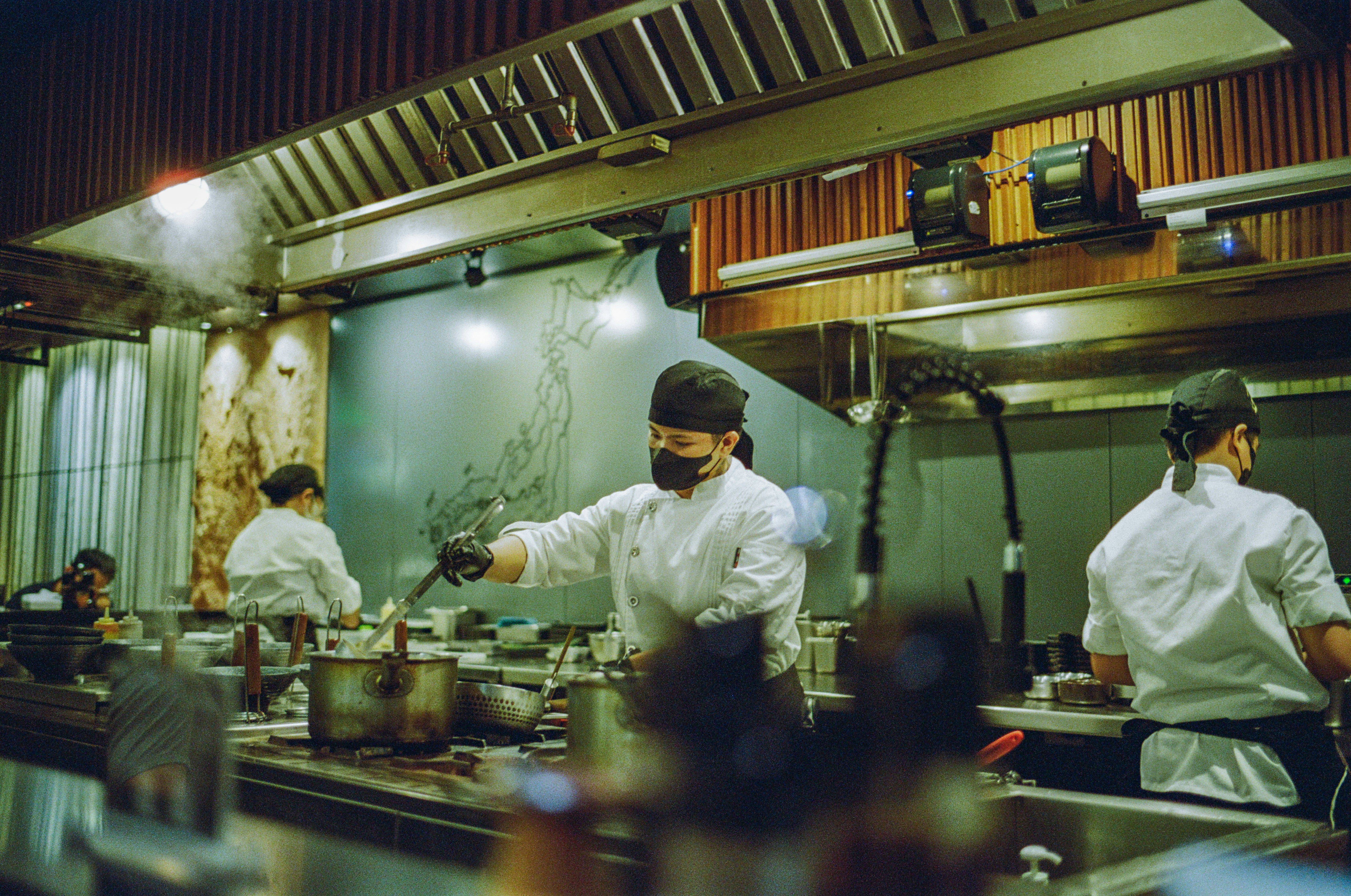
Dry heat cooking directly transfers heat to food without the use of moisture, typically via hot air, hot fat, or infrared radiation. The visual and aromatic signatures of this method, specifically, browned crusts, defined char marks, and caramelized sugars, are central to many modern restaurant concepts. This crisp exterior or sear not only provides essential texture but also creates complex new flavor compounds through the Maillard reaction. In practice, dry heat is the method chefs rely on to precisely control surface moisture, expertly developing the critical contrast between a crisp exterior and a tender, moist interior.
Commercial kitchens use dry heat for texture-driven items: seared steaks, roasted whole chickens, baked goods, and quick pan-fried plates. Equipment such as convection ovens, salamanders, charbroilers, fryers and machine rotisseries are common fixtures. In short, dry heat is essential where signature texture and color are part of the guests' expectations.
6 Common dry heat methods: roasting, baking, toasting, grilling, broiling, and frying. Read more → [6 Types of Dry Heat Cooking Techniques]
Definition of Moist Heat Cooking
Moist heat cooking transmits heat through water, stock or steam. The method excels at protecting proteins from tightening and at transforming connective tissue into gelatin over time. That makes moist heat indispensable when tenderness and moisture retention matter most. Steaming preserves color and nutrients; braising integrates deep flavor into tougher cuts; simmering builds clear, layered stocks and sauces; sous-vide (as a precise moist-heat approach) locks doneness with surgical accuracy.
Hotels, banquet kitchens and institutional facilities use moist heat methods extensively because they provide predictable results across large batches. Equipment like steamers, tilt skillets, and combi ovens (in steam mode) deliver consistent temperatures and allow teams to scale recipes without losing texture or yield. For delicate proteins, for example fish, chicken breast, and shellfish, moist heat protects the interior while maintaining juiciness.
6 Common moist heat methods: poaching, simmering, steaming, braising, stewing, sous vide. Read more → [6 Types of Moist Heat Cooking Methods]
Dry Heat vs. Moist Heat: A Clear Comparison
| Aspect | Dry Heat | Moist Heat |
|---|---|---|
| Heat Transfer Medium | Air or fat | Water, stock, steam |
| Temperature Range | 150°C–300°C+ | 70°C–100°C (steam/poach); up to 120°C+ under pressure |
| Texture Outcome | Crisp, browned, caramelized, firm | Soft, tender, juicy, delicate |
| Ideal For | Grills, bakeries, bistros, steakhouses | Hotels, banquets, Asian kitchens, School cafeterias |
| Typical Equipment | Ovens, grills, fryers, salamanders | Steamers, kettles, tilt skillets, combi ovens |
| Best Ingredients | Steak, poultry, baked goods | Fish, braising cuts, legumes, rice |
Knowing these distinctions lets chefs match technique to desired outcome rather than defaulting to habit. The kitchens that operate most efficiently are the ones that plan dish flow around what each method does best.
Beyond Tradition: Three Advanced and Hybrid Techniques Every Modern Chef Should Know
Combi-Oven Hybrid Cooking
Combi ovens offer a flexible way to merge dry and moist heat on demand. By controlling humidity from zero to full steam, chefs can roast with color while retaining internal moisture, or proof dough and then finish with dry heat for a crisp crust. This adaptability reduces the need for separate machines and lowers shrink in proteins during roast cycles. Hotels and public institutions like company or school cafeterias often use combi ovens to standardize production across shifts and locations; with calibrated programs, teams deliver identical plates whether the cook is a junior line cook or the head chef.
Pressure-Assisted Braising
Pressure braising raises liquid temperature above 100°C and shortens traditional braise times dramatically. For busy operations, that means delivering the depth of a long cook with less active time and lower labor cost. When combined with an initial sear, pressure-assisted braising preserves the layered flavors of caramelization while softening collagen-rich cuts into tender, forkable portions. Banquet programs and commissary kitchens use this technique to stabilize recipes and reduce variability between batches.
Wok Flash Cooking
The Chinese wok’s high-heat, rapid-motion technique creates flavors and aromas that are tough to reproduce any other way. Flash cooking over powerful burners sears ingredients in seconds, locking bright textures and producing the prized “wok hei” scent. This method demands precise heat control and confident wrist work; it’s a hallmark of seasoned cooks and an efficient tool for high-turn Asian or fusion menus that prioritize fresh, vibrant plates.
Learn how to choose the right Chinese Cooking Equipment
How Chefs Can Practice These Techniques in a Real Kitchen
Technique becomes muscle memory through repetition integrated into service. Effective training plans break skills into small, focused tasks, mastering a single temperature range, timing a single sear, or controlling steam levels on a combi oven. Senior cooks should schedule short practice blocks during low-service windows and use mise-en-place exercises to test consistency. For menus in development, R&D sessions must measure yield, texture and time under conditions that mirror real service so techniques survive the pressure of a full shift.
FAQs
1. Is mastering techniques more important than memorizing recipes?
Yes. Techniques let cooks adapt recipes to real conditions—different equipment, batch sizes, or ingredient variability—without losing quality.
2. How long does it take to become competent at dry heat methods?
Competence typically comes after months of focused practice; true fluency can take years. Dry heat requires an ear for the pan, a feel for temperatures, and repeated exposure to different ingredients.
3. Does equipment quality change the outcome of techniques?
Absolutely. Consistent, well-calibrated equipment reduces guesswork and shortens training time. A quality combi oven or a stable induction range makes technique repeatable across shifts.
4. Can a restaurant rely mainly on one method?
Some niche concepts do. Most professional kitchens, however, combine methods to achieve menu balance and operational flexibility.
5. What’s the best method for high-volume hotel kitchens?
Hybrid approaches—combi oven programs paired with braising and steam systems—offer the best balance of volume, quality and yield.
6. How should junior staff be trained on technique?
Start with focused tasks: maintaining a steady simmer, executing a clean sear, and controlling steam in a combi oven. Build complexity gradually and measure results consistently.