After-Sales:
 EN
EN
 AR
AR
 HR
HR
 NL
NL
 FI
FI
 FR
FR
 DE
DE
 EL
EL
 HI
HI
 IT
IT
 PT
PT
 RO
RO
 RU
RU
 ES
ES
 TL
TL
 ID
ID
 SL
SL
 VI
VI
 ET
ET
 MT
MT
 TH
TH
 FA
FA
 AF
AF
 MS
MS
 IS
IS
 MK
MK
 HY
HY
 AZ
AZ
 KA
KA
 UR
UR
 BN
BN
 BS
BS
 KM
KM
 LO
LO
 LA
LA
 MN
MN
 NE
NE
 MY
MY
 UZ
UZ
 KU
KU


News
What to know before buying commercial kitchen appliances for sale?
Match Equipment to Your Operational Reality: Menu, Volume, and Workflow
Why 'One-Size-Fits-All' Appliances Increase Labor Costs and Compromise Food Safety
Equipment for commercial kitchens needs to match how those kitchens actually operate day to day, not just whatever happens to be available on store shelves. Refrigerators that aren't powerful enough lead to temperature problems, while ranges that are too big sit idle most of the time, wasting electricity and making the whole kitchen hotter than necessary. When the gear doesn't fit the workflow, kitchen staff end up taking extra steps during prep work, spending more time getting things ready, and sometimes even cutting corners on cleaning practices. All these issues drive up labor expenses and increase the chances of food safety problems. According to research from the Ponemon Institute released last year, one single incident related to food safety can cost businesses around $740,000 on average, and many of these incidents start with simple equipment mismatches that could have been avoided. Before choosing kitchen equipment, several important factors should be considered including:
- Dish complexity and required heat recovery times
- Daily ingredient volume and its implications for storage configuration
- Staff-to-equipment ratios, which directly influence contamination pathways
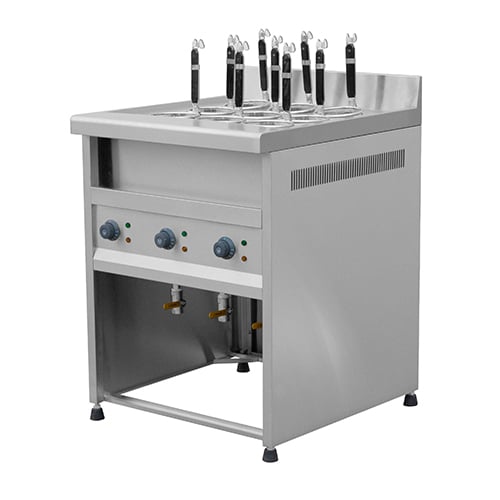
How Peak Hour Throughput and Menu Complexity Dictate Range, Refrigeration, and Prep Station Specs
Equipment must scale with your kitchen’s operational tempo—not just its square footage. During rush periods, inconsistent throughput creates bottlenecks: slow-recovery fryers delay tickets, while undersized refrigeration forces premature prep, increasing spoilage and labor strain. Menu design further dictates functional requirements:
| Menu Feature | Equipment Requirement | Performance Gap Risk |
|---|---|---|
| High-sear proteins | Rapid-recovery charbroilers | Undercooked or overcooked dishes |
| Fresh produce focus | Multi-zone cold stations with dedicated veggie prep zones | Cross-contamination from shared surfaces |
| Custom orders | Modular, reconfigurable prep surfaces with integrated tool docks | Workflow collisions and order errors |
Variable speed exhaust hoods save energy but really only work well if they match how fast things actually move through production. When planning kitchen layouts, think about workflow first. Put prep stations right where they can hand off ingredients straight to cooking areas, and place refrigeration units so staff don't have to walk back and forth between raw materials and finished dishes. Buying equipment matters too. Focus on what each machine does for specific tasks instead of getting lured in by flashy sales deals. A good grill might cost more upfront but will last longer and perform better day after day compared to cheaper alternatives that break down constantly.
Evaluate True Cost of Ownership Beyond the Sticker Price
Energy Efficiency, Maintenance Frequency, and Downtime Risk in Commercial Kitchen Appliances
When looking at Total Cost of Ownership (TCO), most people forget about all the hidden costs beyond just what's on the invoice. Restaurants switching to Energy Star certified appliances typically see their monthly electric bills drop around 30% compared to regular equipment. On the flip side, older ranges that don't retain heat well can actually burn through gas at rates up to 40% higher than newer models. Regular maintenance makes a huge difference too. According to industry reports from NAFEM, restaurants that stick to quarterly service checks end up with roughly 70% fewer unexpected breakdowns compared to places that only get their equipment serviced once a year. And let's talk about refrigeration units specifically. Cheaper compressors tend to give out about three times as often as premium ones, which means when they go down during busy hours, operators lose about $740 every single hour until things get fixed (as noted in NAFEM's 2023 findings). All these numbers point to one simple truth: reliable equipment isn't just nice to have for kitchen managers, it's absolutely essential for keeping the bottom line healthy and operations running smoothly day after day.
Comparing TCO: A $9,000 Energy-Efficient Range vs. a $5,000 Standard Model Over 7 Years
| Cost Factor | Energy-Efficient Model ($9k) | Standard Model ($5k) |
|---|---|---|
| Annual Energy Cost | $1,200 | $2,100 |
| Maintenance/Repairs | $350 | $950 |
| Downtime Losses | $500 | $2,200 |
| 7-Year TCO | $23,450 | $32,550 |
The $4,000 upfront savings on the standard model vanishes within three years—overshadowed by $9,100 in higher lifetime operational costs. Restaurants that prioritize TCO avoid 37% higher long-term expenses (Restaurant Business, 2025) while sustaining consistent food quality and service speed during peak demand.
Verify Space, Infrastructure, and Compliance Before Purchase
Critical Pre-Installation Checks: Hood Clearance, Electrical Load, Gas Line Sizing, and Exhaust Capacity
About 42 percent of all commercial kitchen installations run into trouble because people forget about those pesky physical limitations and utility issues according to Foodservice Facility Studies from 2023. First things first, check how far that exhaust hood sits from the cooktop. Most places need around 18 to 30 inches of space between burners and the hood itself so it can actually catch smoke and grease before they turn into problems or even start fires. When looking at electricity, remember that big ticket items like convection ovens usually want their own special power supply running on 208 to 240 volts. If the wiring isn't thick enough, expect breakers to trip when business is busy. For gas connections, size matters too. A standard six burner range typically requires half inch piping capable of pushing out at least 200 thousand BTUs each hour. And don't sleep on proper ventilation either. The exhaust system needs to handle whatever CFM rating comes with the equipment. Otherwise, all that greasy air just hangs around inside, which not only smells bad but also breaks rules set by NFPA 96 standards plus whatever local fire regulations apply.
Aligning Equipment with Health Code, ADA, and Fire Suppression Requirements
Commercial kitchen equipment needs to meet NSF/ANSI 2 standards for sanitation. These rules basically require surfaces that are smooth and won't trap bacteria, plus those rounded corners everywhere. For ADA compliance, there has to be at least 30 by 48 inches of clear floor space next to each appliance, and all controls should sit below 48 inches from the ground so wheelchair users can reach them easily. Fire suppression systems aren't optional either they need UL 300 certification, with automatic nozzles right above fryers and griddles where grease fires start most often. Most local health inspectors look for at least 18 inches between prep areas and cooking stations to stop food particles from floating around and contaminating everything. Restaurants that skip these requirements face serious consequences: fines can hit $5,000 for each problem found, and according to the National Restaurant Association data from last year, nearly 8 out of 10 non compliant kitchens get shut down completely until fixes happen.
Assess Long-Term Reliability: Warranty Terms, Service Networks, and Parts Availability
When looking at equipment warranties, don't just check the numbers on paper. Real value comes from how long they last and what exactly they cover beyond basic stuff. Companies that offer warranties lasting three years or more usually show they believe their products can handle daily wear and tear without breaking down. Just as important though? How quickly the service team responds when something goes wrong. Make sure they promise round-the-clock tech help and can get someone out same day, particularly if your restaurant needs repairs while customers are dining. Ask for written info about how long it takes to get replacement parts like heating elements or compressor units. Restaurant owners who wait five days or longer for parts typically lose about 63% more money according to recent industry reports. And let's not forget standardized parts across different models either. When manufacturers use similar components throughout their product range, technicians spend less time figuring things out and restaurants stay open longer instead of sitting idle waiting for fixes.
| Reliability Factor | Operational Impact | Due Diligence Checklist |
|---|---|---|
| Warranty Terms (3yr+) | Reduces repair expenses by 40% over 5 years | Exclusions review, labor coverage, transferability |
| Service Network Density | Cuts downtime by 78% with <4hr response guarantees | Local technician verification, emergency protocols |
| Parts Inventory Availability | Prevents 3-week production halts through local warehousing | Critical spares stock list, component cross-compatibility |
Long-term functionality hinges on pre-purchase validation—not marketing claims. Equipment with weak support infrastructure increases lifetime ownership costs by 27%, even with a lower sticker price. Always secure written service-level agreements before signing procurement contracts.