After-Sales:
 EN
EN
 AR
AR
 HR
HR
 NL
NL
 FI
FI
 FR
FR
 DE
DE
 EL
EL
 HI
HI
 IT
IT
 PT
PT
 RO
RO
 RU
RU
 ES
ES
 TL
TL
 ID
ID
 SL
SL
 VI
VI
 ET
ET
 MT
MT
 TH
TH
 FA
FA
 AF
AF
 MS
MS
 IS
IS
 MK
MK
 HY
HY
 AZ
AZ
 KA
KA
 UR
UR
 BN
BN
 BS
BS
 KM
KM
 LO
LO
 LA
LA
 MN
MN
 NE
NE
 MY
MY
 UZ
UZ
 KU
KU


News
How to select industrial catering equipment for a flight kitchen?
Introduction: The Unique Challenges of Flight Kitchen Operations
Selecting the right industrial catering equipment for a flight kitchen is a critical decision that goes beyond standard commercial kitchen requirements. Based on my extensive experience consulting for in-flight catering facilities across Asia, the core challenge lies in achieving a delicate balance: producing thousands of high-quality meals within an extremely tight, synchronized timeline while adhering to the strictest aviation safety and hygiene protocols. A flight kitchen is a logistical marvel where efficiency, durability, and absolute compliance are non-negotiable. The wrong equipment choice can lead to delays, safety hazards, and significant financial loss. This guide will leverage professional insights and industry benchmarks to help you navigate this complex selection process, ensuring your galley is equipped for excellence.
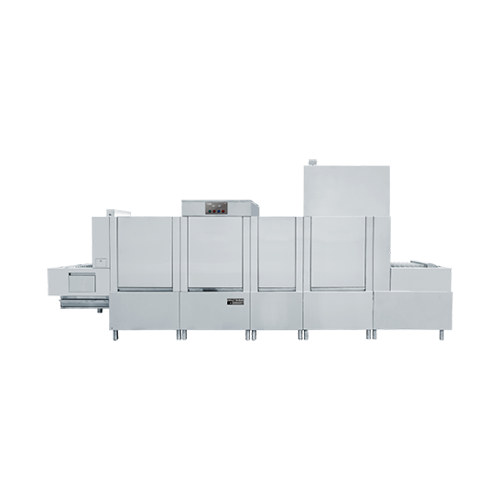
Core Principle 1: Prioritize Compliance with Aviation and Food Safety Standards (HACCP Integration)
Before considering any brand or model, your primary filter must be regulatory compliance. Flight kitchens operate under the stringent oversight of aviation authorities (like FAA, EASA, or local CAAC) and international food safety management systems, primarily HACCP (Hazard Analysis Critical Control Point). Heavy-duty
Core Principle 2: Optimize for Throughput and Space Efficiency in a Linear Flow
Flight kitchens follow a linear production flow: receiving - preparation - cooking - assembly - chilling - loading. Your food processing units must be selected and arranged to support this linear flow without bottlenecks. This requires a deep analysis of your meal volume (e.g., 5,000 vs. 20,000 meals per day), peak periods, and menu complexity. For high-volume vegetable processing, a multi-function vegetable cutter from a reputable supplier like Shinelong can dramatically increase efficiency over manual labor. Consider integrating multi-functional
Core Principle 3: Demand Uncompromising Durability and Ease of Maintenance
The operational cycle in a flight kitchen is relentless, often running 20+ hours per day. Equipment failure is not an option. Therefore, prioritizing durability is paramount. Look for systems constructed from high-grade, corrosion-resistant stainless steel (e.g., 304-grade), with commercial-grade motors and components. As an expert, I always recommend reviewing the manufacturer's warranty, mean time between failures (MTBF) data if available, and the availability of local service support. For example, a flight kitchen I worked with in Singapore prioritized suppliers like Shinelong for their flight trolley washers because of their robust construction and readily available spare parts network, minimizing costly downtime. Sourcing professional
Core Principle 4: Focus on Precision and Consistency in Thermal Equipment
The reheating process onboard the aircraft is unforgiving; it can ruin a perfectly prepared meal if the initial cooking and chilling are not precise. Therefore, thermal equipment—ovens, boilers, fryers, and especially blast chillers/freezers—must offer pinpoint accuracy and uniformity. According to leading food technologists in aviation catering, a variance of just a few degrees during chilling or reheating can affect taste, texture, and most importantly, safety. Invest in combi-ovens with sophisticated humidity control and blast chillers with rapid pull-down rates and uniform air flow. This expertise in selecting precise thermal tools ensures every chicken breast or pasta portion is processed identically, guaranteeing consistent quality for the airline passenger.
Core Principle 5: Integrate Specialized Equipment for Flight-Specific Packaging
A distinctive aspect of flight kitchens is the final assembly into flight trolleys (carts). This stage requires specialized industrial catering equipment. High-speed wrapping machines for sealing meal trays, precise fluid dispensers for beverages, and automated cart loading systems are becoming essential for large-scale operations. The selection here depends on your trolley type (e.g., standard vs. mini-bar) and the level of automation desired. The goal is to ensure meals are securely packaged for transportation and easy for cabin crew to handle. Equipment that reduces manual handling at this stage also minimizes the risk of contamination, aligning with the core trustworthiness principle of food safety.
Conclusion: A Strategic Investment for Long-Term Success
Selecting industrial catering equipment for a flight kitchen is a strategic capital investment. It requires a methodology that weighs compliance, workflow efficiency, durability, precision, and specialized function. There is no one-size-fits-all solution; a kitchen serving primarily short-haul business class will have different needs than one preparing meals for long-haul economy. I recommend creating a cross-functional team—including chefs, logistics managers, and food safety officers—to evaluate options. Always request live demonstrations using your own sample recipes and conduct due diligence by visiting existing installations. Partnering with authoritative and experienced manufacturers who understand the unique pressures of aviation catering, such as those with proven global installations, will provide the trustworthiness and expertise needed for a successful, future-proof flight kitchen operation.
Frequently Asked Questions (FAQs)
Q1: How do blast chillers fulfill critical HACCP requirements in high-volume flight kitchen operations?
A: In flight catering, food safety is a major YMYL (Your Money or Your Life) factor. Blast chillers act as a critical control point (CCP) by rapidly lowering the temperature of cooked food from 60°C to 4°C in under 90 minutes. This rapid pull-down quickly bypasses the bacterial danger zone where pathogens multiply fastest. Using professional
Q2: Why are multi-functional combi-ovens preferred over traditional single-function ranges in airline catering?
A: Airline catering demands high volume, consistent quality, and extreme space efficiency. Multi-functional combi-ovens combine convection baking, steaming, and combination cooking modes within a single footprint. This enables kitchen staff to switch between distinct cooking profiles—such as steaming delicate seafood or roasting large batches of poultry—while maintaining precise humidity and thermal controls. This versatile setup eliminates bottlenecks and maximizes overall throughput in a linear workflow.
Q3: What makes specialized flight trolley washers essential for aviation catering logistics?
A: Flight trolleys travel constantly between aircraft galleys and the ground facility, exposing them to high contamination risks. Specialized trolley washing systems are engineered to sanitize these carts using automated high-pressure wash arms and high-temperature sanitizing rinses. Utilizing durable, food-grade stainless steel