After-Sales:
 EN
 AR
 HR
 NL
 FI
 FR
 DE
 EL
 HI
 IT
 PT
 RO
 RU
 ES
 TL
 ID
 SL
 VI
 ET
 MT
 TH
 FA
 AF
 MS
 IS
 MK
 HY
 AZ
 KA
 UR
 BN
 BS
 KM
 LO
 LA
 MN
 NE
 MY
 UZ
 KU


News
Why Professionals Prefer Stainless Steel SHINELONG Cooking Equipment?
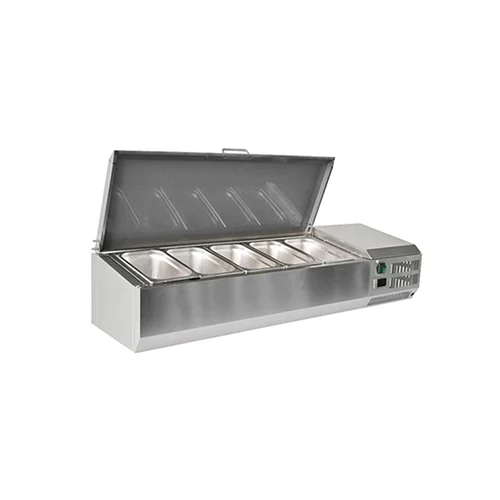
Why Stainless Steel Is the Working Standard in Professional Kitchens
Stainless steel SHINELONG cooking equipment refers to commercial kitchen units built from stainless steel alloys that resist corrosion, tolerate daily cleaning chemicals, and keep a cleanable food contact surface through years of heavy duty use. Professional kitchens did not choose stainless steel cooking equipment for appearance. They chose it because it solves three operational problems at once. It does not absorb grease or bacteria the way wood and mild steel do, it survives the degreasing agents and sanitisers used in nightly deep cleaning, and it holds structural strength in rooms that stay hot and humid for sixteen hours a day. A kitchen serving several hundred covers daily will clean its preparation surfaces dozens of times each week, so the surface material is a durability and food safety decision rather than a cosmetic one. Understanding which grade to specify, and how the unit is fabricated, matters far more than the description printed on a brochure.
What Grade Selection Changes, and Why Grade 304 Stainless Steel Is the Default
Grade 304 stainless steel contains roughly 18 percent chromium and 8 percent nickel, which gives it resistance to most food acids, cleaning chemicals, and humid conditions found in commercial kitchens. Grade 430 contains chromium without nickel, so it resists oxidation but tolerates acidic foods and chloride based cleaners less well, which makes it suitable for dry decorative panels and shelving. Grade 201 replaces part of the nickel with manganese, lowering cost while also lowering corrosion resistance. For most work surfaces, specifying grade 304 stainless steel is the safe default, while dry structural elements can use a cheaper grade without affecting service life. A frequent sourcing mistake is accepting a lower grade on stainless steel fabrication for sinks and work tables to reduce the quotation, then finding surface pitting within two years in kitchens that handle vinegar, citrus, or brine. The practical rule is simple: any stainless steel fabrication that contacts food, water, or cleaning chemicals should normally be grade 304 stainless steel, and the supplier should state which grade is used on which component.
How Stainless Steel Fabrication Quality Decides Service Life
Two units can use the same alloy and still behave very differently after three years, because stainless steel fabrication quality governs how the material performs at joints, corners, and contact points. Welds are the most common failure location. An incomplete weld traps food residue and moisture, which starts pitting that then spreads along the seam. Stainless steel fabrication practice that controls weld penetration and finishes the seam flush with the surrounding surface removes the crevice where bacteria collect. The term IP68 rated welding describes seams built to resist continuous moisture ingress, which matters on sinks and dishwashing tables. Sheet thickness is the second variable, because thinner sheets flex under impact, warp near heat sources, and lose the flat surface a cook depends on. Buyers reviewing quotations for stainless steel cooking equipment should therefore ask for the sheet gauge, the grade used per component, and photographs of weld finishing on the stainless steel fabrication, rather than accepting a general statement that the unit is made of stainless steel.
Hygiene, Cleaning Routines, and Compliance
The hygiene argument for stainless steel cooking equipment is practical rather than theoretical. Non porous surfaces can be cleaned to a visible standard, which is what health inspectors assess, and they do not develop the scratches that hold residue in wood or worn plastics. Kitchens operating under HACCP systems need documented cleaning procedures, and the surface material of commercial cooking equipment determines whether those procedures actually work at the end of a busy shift. Equipment used in hospitals, school canteens, and central production kitchens is often specified with NSF certification, which verifies cleanability, material suitability, and design details such as radiused internal corners. Grade 304 stainless steel assists compliance in one further way, because it tolerates the stronger sanitising agents required in healthcare food service without corroding, so the cleaning routine does not have to be weakened to protect the commercial cooking equipment itself.
An Application Example from Hospital and Institutional Kitchens
Consider what a hospital central kitchen demands from stainless steel SHINELONG cooking equipment, because there food safety is a clinical matter rather than a commercial preference. A 519 bed public referral hospital in Rwanda required a central catering system able to serve patients and staff while maintaining hygiene and traceability from preparation to bedside delivery. The specification called for grade 304 stainless steel work surfaces that could be sanitised between diet types, welded sinks without crevices, and stainless steel fabrication details that supported HACCP documentation. In a separate healthcare project in Myanmar, the scope included antibacterial preparation tables designed around the client hygiene protocol instead of a catalogue standard. In both cases the commercial cooking equipment had to survive repeated sanitising with agents that would attack a lower grade, which is why stainless steel cooking equipment specification and grade selection are decided together rather than separately.
How to Evaluate Stainless Steel Cooking Equipment Before Purchase
Buyers comparing stainless steel SHINELONG cooking equipment against other commercial cooking equipment should work through a short verification sequence before signing. Confirm the grade specified for each component and check that food contact and wet areas use grade 304 stainless steel. Ask for sheet thickness in millimetres or gauge, then compare it across quotations instead of comparing headline prices. Request close up photographs of welds on sinks, corners, and table legs, because competent stainless steel fabrication is visible in the finishing. Check whether the supplier states the standards its stainless steel cooking equipment is built and inspected against, and whether factory and warehouse inspection records exist for the batch. Finally, ask how spare parts and service are handled, since commercial cooking equipment is a ten year asset whose value depends on whether it can be maintained. A supplier that answers with documentation rather than assurances is the one worth shortlisting.
Q: Is grade 304 stainless steel necessary for every component?
A: Not for every component. Grade 304 stainless steel is normally required on stainless steel cooking equipment wherever food contact or wet areas occur, while a cheaper grade is acceptable for dry shelving and panels.
Q: How can a buyer check stainless steel fabrication quality before ordering?
A: Ask for the grade used per component, the sheet thickness, close up photographs of weld finishing, and any factory inspection records for the stainless steel fabrication being supplied.
Q: Why does weld quality matter so much in commercial cooking equipment?
A: On stainless steel cooking equipment, rough welds trap residue and moisture, which causes pitting that spreads along the seam and shortens the working life of the unit.