After-Sales:
 EN
EN
 AR
AR
 HR
HR
 NL
NL
 FI
FI
 FR
FR
 DE
DE
 EL
EL
 HI
HI
 IT
IT
 PT
PT
 RO
RO
 RU
RU
 ES
ES
 TL
TL
 ID
ID
 SL
SL
 VI
VI
 ET
ET
 MT
MT
 TH
TH
 FA
FA
 AF
AF
 MS
MS
 IS
IS
 MK
MK
 HY
HY
 AZ
AZ
 KA
KA
 UR
UR
 BN
BN
 BS
BS
 KM
KM
 LO
LO
 LA
LA
 MN
MN
 NE
NE
 MY
MY
 UZ
UZ
 KU
KU


News
How do commercial cooker extractor hoods function?
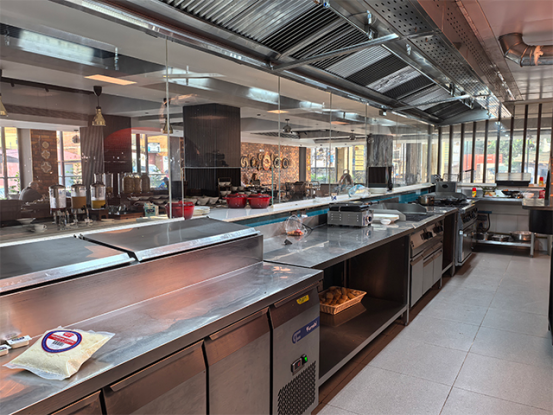
The Role of Extractor Hoods in Commercial Kitchen Safety
Commercial cooker extractor hoods are the primary defense against heat, grease vapor, smoke, and airborne contaminants generated by cooking equipment. In a professional kitchen, a range hood is not an optional accessory; it is a code-required component of the ventilation system that protects staff health, building structure, and fire safety. Cooking produces grease-laden vapors that, if left uncontrolled, condense on walls, ceilings, and ductwork, creating both a hygiene problem and a significant fire fuel source. The extractor hood captures these contaminants at their source, filters the grease from the airstream, and discharges the cleaned air outside through a duct system. Understanding how commercial cooker extractor hoods function helps kitchen operators specify the right system, maintain it correctly, and recognize when performance is degrading. This article explains the complete operating principle, from capture at the cooking surface to final discharge.
Capture: How the Hood Collects Contaminated Air
The function of a commercial cooker extractor hood begins with capture, the process of drawing cooking effluents into the hood before they spread into the kitchen. Capture is governed by the capture velocity, the air speed required at the cooking appliance to pull contaminants into the hood opening, typically measured at 0.25 to 0.5 meters per second at the hood face. Hoods are designed with a capture area that extends beyond the cooking surface footprint, usually overlapping the appliance by 150 to 300 millimeters on each side. The canopy style hood, the most common type for cooking lines, uses a sloping interior that directs the airflow pattern toward the filters. The distance between the cooking surface and the hood face also affects performance: the lower the hood, the easier capture becomes, which is why hoods are typically mounted between 1.8 and 2.1 meters above the floor. For high-heat appliances such as woks and charbroilers, additional engineering is required because their intense upward thermal plumes demand higher capture rates.
Filtration: Separating Grease from the Airstream
Once contaminated air enters the hood, it passes through a filtration system that removes grease particles before the air travels further. The most common filter type is the baffle filter, a series of angled metal strips that force the airstream to change direction rapidly; the grease particles, being heavier than air, lose momentum and collect on the baffle surfaces. Baffle filters are preferred in high-volume kitchens because they have no mesh to clog, are easy to clean in a dishwasher, and achieve filtration efficiency of approximately 85 percent. Mesh filters are lighter and cheaper but require more frequent cleaning and have higher airflow resistance. Some systems add secondary filtration, such as cartridge or electrostatic filters, for kitchens with extremely high grease output or where discharge air quality must meet stricter local regulations. The filtered grease collects in drip trays or drains that channel it to a collection point, preventing accumulation in the ductwork where it would create a fire hazard.
Ductwork and Exhaust Fans: Moving Air Out of the Building
After filtration, the cleaned air enters the duct system, the network of metal channels that carries the airstream from the hood to the exhaust fan and ultimately to the building exterior. Duct design is critical to system performance: ducts must be sized to maintain the required airflow at acceptable velocities, typically 8 to 12 meters per second, while minimizing pressure loss. The exhaust fan, usually a centrifugal or upblast fan mounted on the roof, generates the static pressure needed to overcome the resistance of filters, ducts, and the weather cap. Fan selection is based on the total airflow required, expressed in cubic meters per hour, which is calculated from the kitchen's heat load and the recommended air change rate of 20 to 30 air changes per hour for commercial kitchens. The ductwork must be fabricated from welded or sealed metal with access panels for cleaning, because grease accumulates inside ducts over time even with efficient filters. Fire-rated duct construction and automatic fire dampers are required where ducts pass through building elements.
Make-Up Air: Maintaining the Kitchen's Air Balance
A commercial cooker extractor hood removes large volumes of air, and that air must be replaced to maintain the kitchen's pressure balance. Make-up air systems deliver tempered fresh air into the kitchen to replace the extracted volume, typically at 85 to 100 percent of the exhaust rate. Without make-up air, the kitchen develops negative pressure, which causes several problems: exhaust fans work harder and lose efficiency, doors become difficult to open, and contaminated air is pulled from the kitchen into dining areas through any opening. Negative pressure also draws air through building gaps, carrying dust and outdoor pollutants into the kitchen. Make-up air should be delivered at a temperature that keeps the kitchen comfortable, which requires heating in winter and cooling in summer; energy-efficient designs use heat recovery systems that transfer heat from the exhausted air to the incoming fresh air, reducing energy consumption by up to 40 percent in some installations. Modern variable-speed systems modulate exhaust and make-up airflow based on actual cooking activity, reducing energy use when the kitchen is idle.
Fire Suppression and Maintenance Requirements
Because grease accumulation is the leading cause of commercial kitchen fires, extractor hood systems are integrated with automatic fire suppression equipment. The fire suppression system, typically a wet chemical system meeting UL 300 standards, is installed above cooking appliances and connected to nozzles positioned at the appliance and within the hood and ductwork. When a fire is detected, the system discharges extinguishing agent, simultaneously shutting off gas and electricity to the cooking equipment and activating the exhaust fan if configured for post-discharge purge. Maintenance is equally critical: baffle filters should be cleaned daily or as recommended, and ductwork should be professionally cleaned at intervals specified by local fire codes, often quarterly for high-volume operations. A maintenance log documenting filter cleaning, fan inspection, and fire system testing is typically required by fire authorities and insurance providers. Operators should also inspect the hood for damage, check the capture performance by observing smoke behavior during cooking, and verify that no equipment has been added under the hood beyond its rated capacity.
Q: How often should commercial cooker extractor hood filters be cleaned?
A: Baffle filters should be cleaned daily or per the manufacturer's recommendation for high-volume kitchens, with ductwork professionally cleaned quarterly or per local fire code requirements.
Q: What is make-up air and why is it needed?
A: Make-up air is tempered fresh air delivered to replace the air exhausted by the hood, typically at 85-100 percent of exhaust rate, preventing negative pressure that harms fan performance and staff comfort.
Q: How is a commercial hood fire suppression system triggered?
A: Wet chemical systems meeting UL 300 standards detect fire through heat sensors or manual pull stations, discharge extinguishing agent, shut off fuel and power to cooking equipment, and purge smoke through the fan.
Commercial cooker extractor hoods are central to kitchen ventilation in any commercial kitchen. Good commercial cooker extractor hoods deliver efficient grease vapor filtration, which is fundamental to commercial kitchen safety. Every qualified commercial cooker extractor hood should connect with a professional kitchen fire suppression system. Proper kitchen ventilation managed by commercial cooker extractor hoods removes grease vapor, and high-performance grease vapor filtration prevents grease accumulation. A working kitchen fire suppression system paired with commercial cooker extractor hoods is the core guarantee of commercial kitchen safety. Regular inspection of commercial cooker extractor hoods ensures stable kitchen ventilation, reliable grease vapor filtration and intact kitchen fire suppression system to sustain long-term commercial kitchen safety.