After-Sales:
 EN
EN
 AR
AR
 HR
HR
 NL
NL
 FI
FI
 FR
FR
 DE
DE
 EL
EL
 HI
HI
 IT
IT
 PT
PT
 RO
RO
 RU
RU
 ES
ES
 TL
TL
 ID
ID
 SL
SL
 VI
VI
 ET
ET
 MT
MT
 TH
TH
 FA
FA
 AF
AF
 MS
MS
 IS
IS
 MK
MK
 HY
HY
 AZ
AZ
 KA
KA
 UR
UR
 BN
BN
 BS
BS
 KM
KM
 LO
LO
 LA
LA
 MN
MN
 NE
NE
 MY
MY
 UZ
UZ
 KU
KU


News
What Is QSR Experience? A Simple Guide for Owners and Operators
If you've ever walked into a franchise, grabbed a combo meal in under a few minutes, and felt like the whole process was extremely smooth, you've experienced the essence of Quick Service Restaurant (QSR) design. But for owners and operators, that service experience is the result of a delicate balance: psychology, technology, and carefully engineered floor plans working in concert. Whether you're looking to open your first location or optimize an existing chain, understanding the DNA of a QSR is your first step toward real profitability.
QSR vs. Fast Casual: What's the Difference?
Before we dive into floor plans, let's clear up a common misconception. "QSR" and "Fast Casual" are often used interchangeably, but their service models are fundamentally different.
| Features | Quick Service Restaurant (QSR) | Fast Casual |
| Primary Goal | Speed and Affordability | Quality and Experience |
| Service Style | Counter service or Kiosk | Counter service + some table delivery |
| Typical Brand | McDonald's, Burger King, Subway | Pizza Lab, Chipotle |
| Vibe | High-energy, fast turnover | "Relaxed" upscale, linger-friendly |
| Ingredients | Standardized, pre-prepped | Fresh, often customizable |
In short, QSR is about getting the customer in and out as quickly as possible. Fast Casual invites them to sit down for a few extra minutes.
Not sure what counts as a QSR? Here's our blog about what Quick Service Restaurants (QSRs) are and their key characteristics.
The Secret Sauce: Throughput and Layout Optimization
In the QSR world, sauce is never just a condiment. It's a symbol of iconic flavor, customer loyalty, and operational efficiency, which is all about the QSR experience and the thing that keeps customers coming back. Think of the Big Mac Sauce at McDonald's, or Cane's Sauce at Raising Cane's. They're a cultural extension of the brand.
When it comes to optimizing the QSR experience, the real "secret sauce" lies in two things: throughput and layout. In the fiercely competitive QSR industry, throughput is everything. Simply put, it's the number of customers you can serve within a given timeframe, and maximizing it starts with a flawless layout.
Why Opt for an Assembly-Line Layout?
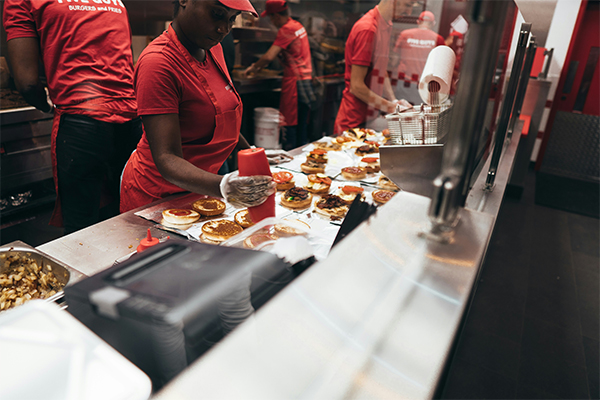
If you've ever toured the back of house at a quick service restaurant chain, you'd notice that the most efficient QSRs almost universally prefer an assembly-line layout. With so many kitchen layout options in modern commercial kitchen design, why is the assembly line the go-to choice for the QSR industry? A successful assembly-line flow focuses on three core stages:
- The Entry & Order Point: Counters and digital menu boards are positioned right at the entrance to capture incoming traffic immediately.
- The Linear Production Zone: The kitchen is organized so that food moves from prep to grill to assembly in a straight line, finishing right at the counter. This establishes a strict order of operations along a highly organized path, one that applies to most orders.
- The Pickup & Exit Path: A dedicated space for mobile and in-person order retrieval that guides customers directly toward the exit or dining area, away from the ordering queue.
By implementing strict customer journey mapping, you move a person from the door to their food in one fluid, uninterrupted motion.
The Power of Color and Lighting
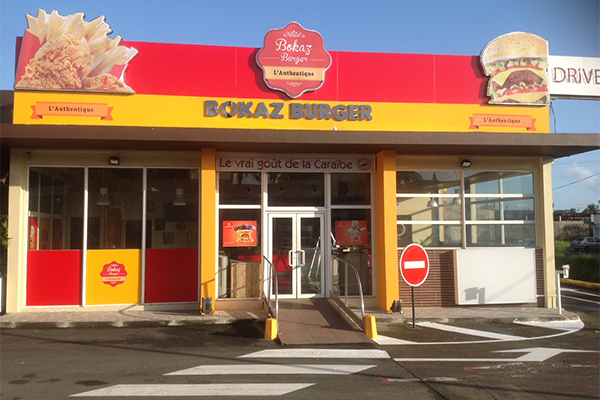
Have you noticed how many fast-food places use red and yellow? That’s not an accident. Color psychology tells us that high-energy colors like red and orange stimulate the appetite and actually encourage people to eat faster. This helps with turnover, ensuring seats are available for the next wave of hungry guests.
Tech and Modern Trends: The Future of Fast Food
- The days of just having a cash register are over. Today, Quick Service operational efficiency is driven by tech and screens.
- Contactless Ordering Systems: Self-service kiosks reduce labor costs and actually increase the average check size because AI algorithms never forget to ask, "Do you want to make that a meal?"
- Digital Menu Boards: These allow you to change prices or swap out sold-out items instantly, keeping your digital menu board designs fresh and accurate.
- Ghost Kitchens: Some operators are ditching the dining room entirely. A Ghost Kitchen focuses 100% on delivery and pickup, cutting down on overhead while maximizing output.
- Drive-Thru Lane Optimization: With the rise of mobile apps, having a dedicated "bypass lane" for mobile orders can shave minutes off your wait times.
Essential Solutions for Your QSR Business
If you're looking to expand an existing location or set up a fast food restaurant from the zero to one, here are the essential products every QSR operator needs:
| Category | Unit | Why It Works |
| Ordering | Quick-Service Kiosk |
Streamlines the entry point, allowing customers to browse and pay without staff intervention. |
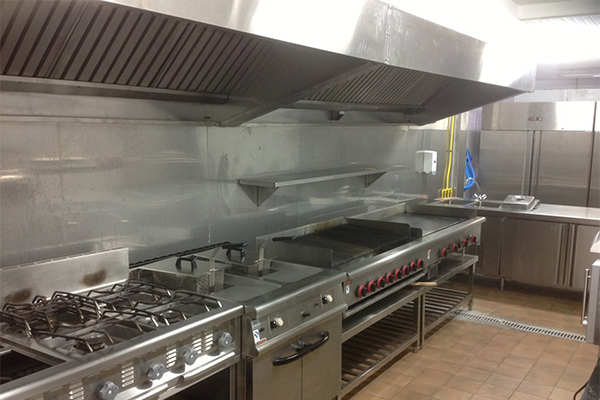
| Cooking | SHINELONG Commercial Ranges | Versatile cooking range designed for the continuous heat requirements of a busy QSR. |
| Efficiency | Seals in moisture and cooks faster than open frying, essential for high-volume chicken and protein prep. |
|
| Operations | Kitchen Order Display System |
Synchronizes front-of-house orders with back-of-house prep in real-time to eliminate paper waste. |
| Logistics | Smart Lockers |
Provides a secure, temperature-controlled, and contactless spot for mobile order pickups. |
Designing for an Iconic and Comfortable Environment
Speed is king in QSR, but atmosphere still matters. A charming environment balances color, interior wall cladding, and signature décor that extends beyond your brand logo, creating a space that feels both unique and instantly recognizable. Don't overlook noise control, either. Ceiling baffles and sound management solutions can prevent your restaurant from feeling like a noisy gymnasium, making it easier for customers to hear their order numbers and for staff to communicate clearly.