After-Sales:
 EN
EN
 AR
AR
 HR
HR
 NL
NL
 FI
FI
 FR
FR
 DE
DE
 EL
EL
 HI
HI
 IT
IT
 PT
PT
 RO
RO
 RU
RU
 ES
ES
 TL
TL
 ID
ID
 SL
SL
 VI
VI
 ET
ET
 MT
MT
 TH
TH
 FA
FA
 AF
AF
 MS
MS
 IS
IS
 MK
MK
 HY
HY
 AZ
AZ
 KA
KA
 UR
UR
 BN
BN
 BS
BS
 KM
KM
 LO
LO
 LA
LA
 MN
MN
 NE
NE
 MY
MY
 UZ
UZ
 KU
KU


News
What are the key aspects of hotel kitchen design for a 5-star property?
Technical Design Work Behind World-Class Hotel Kitchens
The kitchen design for a five-star hotel goes far beyond selecting special appliances. It requires an incredible amount of design work to balance hygiene, aesthetics, and operational efficiency. A hotel kitchen is the engine that runs the entire guest experience, from the handcrafted morning buffet to the midnight room service meal. World-class hotel kitchen design involves knowledge of complex culinary workflows, technical design work, and professional high-traffic area requirements. Most importantly, the highest safety standards must always be followed.
The Key to Operational Excellence: Design That Supports Fluid Processes
The most important factor in designing a kitchen for a five-star hotel's operational success is the layout. It is crucial for the kitchen to operate efficiently from receiving to plating, so the design must ensure a smooth flow to avoid bottlenecks at any part of the process. Effective spatial design creates and distributes the kitchen zones, including cold prep, hot cook, pastry, and finishing.
By designing for minimal travel from the prep to the cook zone, and maximizing the flow of the kitchen, chef chaos is greatly minimized. Further to this, a quality kitchen design means that processes that are considered 'dirty' like dishwashing and waste disposal, are designed to be physically separated from food prep areas to avoid cross-contamination and to meet the standards of cleanliness that are expected in high-end hospitality kitchens.
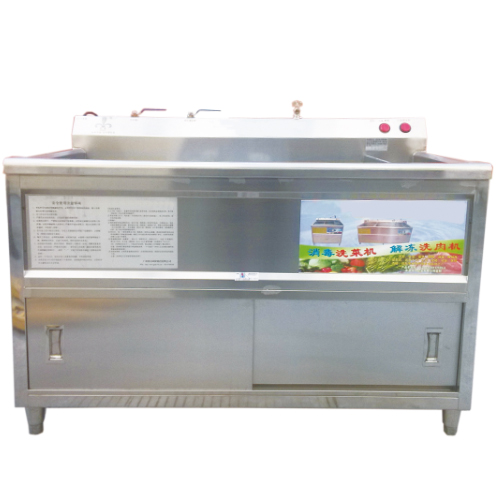
Choosing Commercial Catering Equipment That Offers Maximum Performance
The best hotel kitchens are defined by what goes inside them. In the design of a kitchen in a top hotel, all the kitchen equipment must be selected based on the energy efficiency, precision, and durability of the kitchen equipment. For the hotel to maintain the high standards of food quality that the guests expect, high-performance combination ovens, blast chillers, and induction ranges with accurate temperature control are necessary.
To explore heavy-duty, certified configurations designed for luxury culinary spaces, you can browse our comprehensive selection of
Enhanced Airflow and Advanced Environmental Management
Among many other elements of hotel kitchen design, airflow may be the most important yet underrated feature. In a five-star hotel design, it is simply not acceptable for guest and dining areas to receive the aromas of cooking or for excess heat to intrude. An HVAC and exhaust system will need to be paired for optimal removal of smoke, steam, and air that is laden with grease.
By sourcing heavy-duty extraction setups from professional
Designs That Prioritize Hygiene and Ergonomics
In luxury hospitality, hygiene is crucial. Professional designs for hotel kitchens use materials that are easy to clean and non-porous, for instance, high-quality stainless steel for cabinetry and work surfaces. Walls that are coved and flooring that is seamless eliminate bacteria growth in corners that are difficult to reach. Worktables should be the ergonomic height and working tools that are used often should be easy to access. A focus on hygiene and ergonomics creates a kitchen area that is safe and in compliance with international health and safety laws and goes beyond the expectations of guests.
Flexibility for Different Food Ideas and Types of Menus
Five-star hotels usually contain several dining venues, from casual all-day cafes to fine-dining signature restaurants to grand banquet hall operations. As a result, the hotel kitchen design must offer enough flexibility to accommodate several different cooking techniques at the same time.
It is also ideal to have modular kitchen design where appliances that can steam, roast, and bake offer the versatility to allow the culinary team to make changes to the menu more often by accommodating different dietary restrictions. A design that allows for the flexibility of adding future operational changes also allows for the flexibility to accommodate changes to food trends, thereby keeping the hotel’s food and beverage offerings competitive and innovative for years.
Frequently Asked Questions (FAQs)
Q1: Why must high-end 5-star hotel kitchen layouts strictly separate clean workflows from "dirty" service zones?
A: To completely prevent cross-contamination and maintain rigid international health compliance, 5-star hotel layouts utilize distinct architectural zoning. The "dirty" zones—comprising high-volume warewashing, scrap stations, and waste disposal management—are physically isolated from the clean culinary production tracks like cold larders, precision pastry stations, and final à la carte plating lines. This separation prevents the transmission of airborne pathogens and ensures an uncompromised food safety environment.
Q2: How does a balanced HVAC and dedicated exhaust canopy system protect the guest experience in luxury resorts?
A: Commercial kitchens generate massive thermal loads, dense grease plumes, and strong cooking odors that can ruin a luxury hotel's atmosphere if left unchecked. A professionally balanced commercial HVAC system establishes a strict pressure boundary, drawing air inward toward the cooking lines. This engineered vacuum prevents culinary smoke, steam, and intense kitchen aromas from leaking into fine-dining areas, guest suites, or resort corridors, ensuring a clean, odorless guest environment.
Q3: What are the proven benefits of utilizing flexible, modular cooking suites in modern multi-venue hotel kitchens?
A: Luxury hotels must frequently adapt to shifting food trends, seasonal menu overhauls, and variable banquet volume requirements. Modular cooking suites allow operators to seamlessly add, swap, or reconfigure specialized cooking elements (such as induction surfaces, chargrills, or combi-ovens) within a unified structural footprint. This high adaptability ensures that the culinary infrastructure can handle diverse global cooking techniques simultaneously without requiring expensive, time-consuming building renovations.