Dịch vụ hậu mãi:
 EN
EN
 AR
AR
 HR
HR
 NL
NL
 FI
FI
 FR
FR
 DE
DE
 EL
EL
 HI
HI
 IT
IT
 PT
PT
 RO
RO
 RU
RU
 ES
ES
 TL
TL
 ID
ID
 SL
SL
 VI
VI
 ET
ET
 MT
MT
 TH
TH
 FA
FA
 AF
AF
 MS
MS
 IS
IS
 MK
MK
 HY
HY
 AZ
AZ
 KA
KA
 UR
UR
 BN
BN
 BS
BS
 KM
KM
 LO
LO
 LA
LA
 MN
MN
 NE
NE
 MY
MY
 UZ
UZ
 KU
KU


TIN TỨC
Làm thế nào để chọn thiết bị phục vụ công nghiệp cho nhà bếp trên máy bay?
Giới thiệu: Những thách thức đặc thù trong vận hành nhà bếp trên máy bay
Việc lựa chọn thiết bị phục vụ ăn uống công nghiệp phù hợp cho nhà bếp trên máy bay là một quyết định mang tính then chốt, vượt xa các yêu cầu tiêu chuẩn của nhà bếp thương mại. Dựa trên kinh nghiệm phong phú của tôi trong việc tư vấn cho các cơ sở cung cấp suất ăn trên chuyến bay khắp châu Á, thách thức cốt lõi nằm ở việc đạt được sự cân bằng tinh tế: sản xuất hàng nghìn suất ăn chất lượng cao trong khung thời gian cực kỳ eo hẹp và đồng bộ, đồng thời tuân thủ nghiêm ngặt các quy định an toàn và vệ sinh hàng không khắt khe nhất. Nhà bếp trên máy bay là một kỳ tích về mặt hậu cần, nơi hiệu quả, độ bền và sự tuân thủ tuyệt đối là những yếu tố bắt buộc. Việc lựa chọn thiết bị sai có thể dẫn đến chậm trễ, rủi ro về an toàn và tổn thất tài chính đáng kể. Hướng dẫn này sẽ tận dụng các thông tin chuyên sâu từ chuyên gia và các tiêu chuẩn ngành để giúp bạn điều hướng quá trình lựa chọn phức tạp này, đảm bảo khu vực bếp (galley) của bạn được trang bị đầy đủ nhằm đạt tới sự xuất sắc.
Nguyên tắc cốt lõi 1: Ưu tiên tuân thủ các tiêu chuẩn hàng không và an toàn thực phẩm (Tích hợp HACCP)
Trước khi xem xét bất kỳ thương hiệu hay mẫu mã nào, bộ lọc ưu tiên hàng đầu của bạn phải là sự tuân thủ quy định. Các nhà bếp trên không (flight kitchens) hoạt động dưới sự giám sát nghiêm ngặt của các cơ quan hàng không (như FAA, EASA hoặc CAAC địa phương) và các hệ thống quản lý an toàn thực phẩm quốc tế, chủ yếu là HACCP (Phân tích mối nguy và điểm kiểm soát trọng yếu). Các thiết bị
Nguyên tắc cốt lõi 2: Tối ưu hóa năng lực xử lý và hiệu quả sử dụng không gian theo luồng tuyến tính
Các nhà bếp trên không tuân theo quy trình sản xuất tuyến tính: tiếp nhận – sơ chế – nấu nướng – lắp ráp – làm lạnh – bốc xếp lên máy bay. Các đơn vị chế biến thực phẩm của bạn phải được lựa chọn và bố trí sao cho hỗ trợ quy trình tuyến tính này mà không gây tắc nghẽn. Điều này đòi hỏi phân tích kỹ lưỡng về khối lượng bữa ăn (ví dụ: 5.000 so với 20.000 bữa mỗi ngày), các ca cao điểm và độ phức tạp của thực đơn. Đối với việc sơ chế rau củ quy mô lớn, một máy cắt rau củ đa năng từ nhà cung cấp uy tín như Shinelong có thể nâng cao đáng kể hiệu quả so với lao động thủ công. Hãy cân nhắc tích hợp các thiết bị đa chức năng
Nguyên tắc cốt lõi 3: Đòi hỏi độ bền vượt trội và khả năng bảo trì dễ dàng
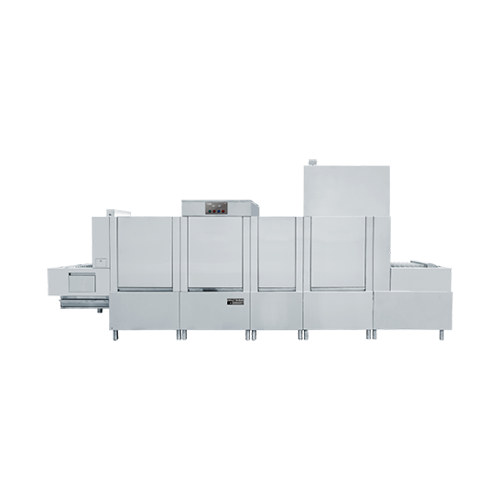
Chu kỳ vận hành trong nhà bếp trên chuyến bay là liên tục và không ngừng nghỉ, thường hoạt động hơn 20 giờ mỗi ngày. Việc thiết bị gặp sự cố là điều không thể chấp nhận. Do đó, việc ưu tiên độ bền là yếu tố hàng đầu. Hãy lựa chọn các hệ thống được chế tạo từ thép không gỉ chất lượng cao, chống ăn mòn (ví dụ: thép không gỉ cấp 304), cùng với động cơ và linh kiện đạt tiêu chuẩn thương mại. Với tư cách là một chuyên gia, tôi luôn khuyến nghị xem xét kỹ chính sách bảo hành của nhà sản xuất, dữ liệu thời gian trung bình giữa các lần hỏng hóc (MTBF) nếu có, cũng như khả năng tiếp cận dịch vụ hỗ trợ kỹ thuật tại địa phương. Chẳng hạn, một nhà bếp trên chuyến bay mà tôi từng làm việc tại Singapore đã ưu tiên lựa chọn các nhà cung cấp như Shinelong cho máy rửa xe đẩy phục vụ chuyến bay nhờ vào cấu tạo chắc chắn và mạng lưới phụ tùng thay thế sẵn có, giúp giảm thiểu tối đa thời gian ngừng hoạt động tốn kém. Việc nhập khẩu thiết bị chuyên nghiệp
Nguyên tắc cốt lõi 4: Tập trung vào độ chính xác và tính nhất quán của thiết bị nhiệt
Quy trình hâm nóng trên máy bay rất khắt khe; chỉ một sai sót nhỏ trong khâu nấu và làm lạnh ban đầu cũng có thể làm hỏng hoàn toàn một bữa ăn đã được chế biến kỹ lưỡng. Do đó, thiết bị nhiệt—lò nướng, nồi hơi, chảo chiên và đặc biệt là tủ cấp đông/làm lạnh nhanh—phải đảm bảo độ chính xác tuyệt đối và tính đồng đều cao. Theo các chuyên gia công nghệ thực phẩm hàng đầu trong lĩnh vực phục vụ ẩm thực hàng không, chỉ cần sai lệch vài độ trong quá trình làm lạnh hoặc hâm nóng cũng có thể ảnh hưởng đến hương vị, kết cấu và quan trọng nhất là độ an toàn thực phẩm. Hãy đầu tư vào lò nướng kết hợp (combi-oven) có hệ thống kiểm soát độ ẩm thông minh và tủ làm lạnh nhanh với tốc độ hạ nhiệt nhanh cùng luồng khí phân bố đồng đều. Kiến thức chuyên sâu này trong việc lựa chọn các thiết bị nhiệt chính xác sẽ đảm bảo mỗi phần ức gà hay mì ống đều được xử lý một cách đồng nhất, từ đó duy trì chất lượng ổn định cho hành khách hàng không.
Nguyên tắc cốt lõi 5: Tích hợp thiết bị chuyên dụng cho bao bì phù hợp với yêu cầu chuyến bay
Một đặc điểm nổi bật của các nhà bếp hàng không là công đoạn lắp ráp cuối cùng thành các xe đẩy phục vụ trên chuyến bay (xe đẩy). Giai đoạn này đòi hỏi thiết bị chế biến thực phẩm công nghiệp chuyên dụng. Các máy bọc tốc độ cao để niêm phong khay thức ăn, thiết bị chiết rót chất lỏng chính xác cho đồ uống và hệ thống tự động hóa việc chất hàng lên xe đẩy đang trở thành yếu tố thiết yếu đối với các hoạt động quy mô lớn. Việc lựa chọn thiết bị ở giai đoạn này phụ thuộc vào loại xe đẩy bạn sử dụng (ví dụ: xe đẩy tiêu chuẩn so với xe đẩy mini-bar) và mức độ tự động hóa mong muốn. Mục tiêu là đảm bảo thức ăn được đóng gói an toàn để vận chuyển và dễ dàng thao tác bởi đội ngũ tiếp viên trên khoang. Thiết bị giúp giảm thiểu thao tác thủ công ở giai đoạn này cũng đồng thời hạn chế nguy cơ nhiễm khuẩn, từ đó tuân thủ nguyên tắc cốt lõi về tính đáng tin cậy trong an toàn thực phẩm.
Kết luận: Một khoản đầu tư chiến lược vì sự thành công lâu dài
Việc lựa chọn thiết bị nấu ăn công nghiệp cho nhà bếp trên máy bay là một khoản đầu tư chiến lược về vốn. Quá trình này đòi hỏi một phương pháp luận cân nhắc các yếu tố như tuân thủ quy định, hiệu quả luồng công việc, độ bền, độ chính xác và chức năng chuyên biệt. Không tồn tại giải pháp ‘một kích cỡ phù hợp với tất cả’; một nhà bếp chủ yếu phục vụ bữa ăn hạng thương gia cho các chuyến bay ngắn sẽ có nhu cầu khác biệt so với nhà bếp chuẩn bị bữa ăn cho hành khách hạng phổ thông trên các chuyến bay đường dài. Tôi khuyến nghị thành lập một nhóm liên chức năng—bao gồm đầu bếp, quản lý hậu cần và cán bộ an toàn thực phẩm—để đánh giá các lựa chọn. Luôn yêu cầu trình diễn trực tiếp bằng chính các công thức mẫu của bạn và tiến hành kiểm tra kỹ lưỡng bằng cách thăm quan các hệ thống đã được lắp đặt sẵn. Việc hợp tác với các nhà sản xuất uy tín và giàu kinh nghiệm, những người thấu hiểu áp lực đặc thù trong lĩnh vực cung cấp suất ăn hàng không—chẳng hạn như các nhà sản xuất đã có những dự án triển khai thành công trên toàn cầu—sẽ mang lại độ tin cậy và chuyên môn cần thiết nhằm vận hành nhà bếp trên máy bay một cách thành công và bền vững trong tương lai.
Câu hỏi thường gặp (FAQ)
Câu hỏi 1: Máy làm lạnh nhanh (blast chiller) đáp ứng các yêu cầu HACCP quan trọng như thế nào trong các hoạt động nhà bếp trên máy bay có khối lượng lớn?
Đáp án: Trong dịch vụ ăn uống trên máy bay, an toàn thực phẩm là một yếu tố YMYL (Your Money or Your Life – tiền của bạn hoặc mạng sống của bạn) quan trọng. Máy làm lạnh nhanh đóng vai trò là điểm kiểm soát then chốt (CCP) bằng cách làm giảm nhanh nhiệt độ thực phẩm đã nấu chín từ 60°C xuống còn 4°C trong vòng chưa đầy 90 phút. Quá trình làm lạnh nhanh này giúp thực phẩm nhanh chóng vượt qua vùng nguy hiểm về vi khuẩn – khoảng nhiệt độ mà các tác nhân gây bệnh sinh sôi mạnh nhất. Việc sử dụng thiết bị chuyên dụng
Câu hỏi 2: Vì sao lò kết hợp đa chức năng (combi-oven) được ưa chuộng hơn các bếp truyền thống chỉ thực hiện một chức năng duy nhất trong lĩnh vực cung cấp suất ăn cho hàng không?
A: Dịch vụ cung cấp suất ăn cho hàng không đòi hỏi khối lượng lớn, chất lượng đồng đều và hiệu quả sử dụng không gian ở mức tối đa. Lò nướng kết hợp đa chức năng tích hợp các chế độ nướng đối lưu, hấp và nấu kết hợp trong cùng một diện tích chiếm chỗ. Điều này cho phép nhân viên bếp chuyển đổi linh hoạt giữa các quy trình nấu khác nhau—chẳng hạn như hấp hải sản tinh tế hoặc nướng số lượng lớn gia cầm—đồng thời duy trì kiểm soát chính xác độ ẩm và nhiệt độ. Thiết lập linh hoạt này giúp loại bỏ các điểm nghẽn và tối đa hóa tổng năng suất trong quy trình làm việc theo dây chuyền.
Q3: Điều gì khiến máy rửa xe đẩy chuyên dụng cho chuyến bay trở nên thiết yếu trong hậu cần dịch vụ suất ăn hàng không?
A: Các xe đẩy phục vụ chuyến bay liên tục di chuyển giữa khu vực bếp trên máy bay và cơ sở mặt đất, do đó dễ bị nhiễm bẩn cao. Các hệ thống rửa xe đẩy chuyên dụng được thiết kế để khử trùng những chiếc xe này bằng các cánh phun nước áp lực cao tự động và quy trình xả khử trùng ở nhiệt độ cao. Hệ thống sử dụng thép không gỉ bền bỉ, đạt tiêu chuẩn an toàn thực phẩm.