After-Sales:
 EN
EN
 AR
AR
 HR
HR
 NL
NL
 FI
FI
 FR
FR
 DE
DE
 EL
EL
 HI
HI
 IT
IT
 PT
PT
 RO
RO
 RU
RU
 ES
ES
 TL
TL
 ID
ID
 SL
SL
 VI
VI
 ET
ET
 MT
MT
 TH
TH
 FA
FA
 AF
AF
 MS
MS
 IS
IS
 MK
MK
 HY
HY
 AZ
AZ
 KA
KA
 UR
UR
 BN
BN
 BS
BS
 KM
KM
 LO
LO
 LA
LA
 MN
MN
 NE
NE
 MY
MY
 UZ
UZ
 KU
KU


News
How does kitchen equipment in a 5-star hotel differ from a 3-star?
Introduction
A hotel's kitchen is the beating heart of its operations. It's where culinary magic happens, transforming raw ingredients into memorable dishes that define a guest's experience. But when evaluating the overall quality of a hotel, one of the most obvious distinctions between different star ratings is the kitchen. A 5-star hotel and a 3-star hotel may have kitchens that can handle similar volumes, but the equipment used and the way it is maintained are where the differences lie. This article will explore how kitchen equipment varies between 5-star and 3-star hotels and the implications of these differences for both culinary output and service quality.
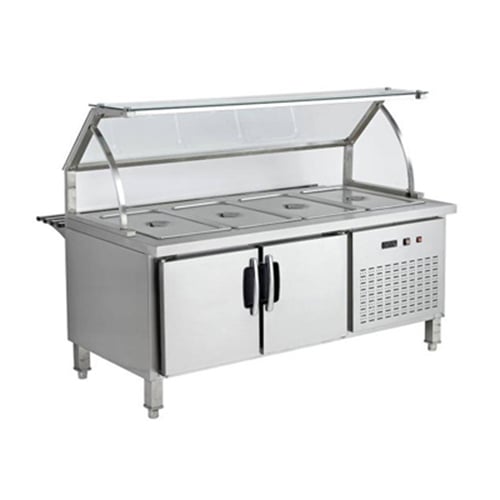
The Role of Kitchen Equipment in Hotel Operations
At the core of every hotel's kitchen, the goal is the same: to prepare quality meals for guests. However, the equipment used to achieve this goal differs significantly depending on the hotel’s star rating. Both 5-star and 3-star hotel kitchens are capable of handling large volumes of orders, but the quality, range, and precision of the equipment vary. In 5-star hotels, the kitchen is equipped with high-end
Conversely, 3-star hotels may focus more on functionality and cost-efficiency, using equipment that can handle a broad array of dishes but may not offer the same level of precision or speed. While these kitchens are still functional and provide good service, their equipment may not meet the high standards seen in more luxurious establishments.
Difference in Quality and Durability
One of the most notable differences between the kitchens of 5-star and 3-star hotels is the quality and durability of the equipment. 5-star hotels tend to invest in top-tier kitchen appliances that are built to withstand high volumes of use and provide exceptional performance. Commercial ovens, stoves, refrigerators, and other essential equipment are often customized for the hotel’s specific needs and are designed for long-lasting reliability.
For instance, high-end ovens in a 5-star kitchen might have precise temperature controls, allowing chefs to cook delicate dishes like soufflés or slow-roasted meats to perfection. Similarly, commercial refrigerators and freezers are designed to maintain ideal temperatures and prevent food spoilage in a high-traffic environment.
On the other hand, 3-star hotels typically opt for more budget-friendly kitchen equipment that strikes a balance between cost and functionality. While still durable, these appliances may not offer the same level of precision or longevity as their 5-star counterparts. They are built to handle daily use but may not be equipped for the more intricate demands of high-end gastronomy.
Specialized Equipment for Gourmet Cuisine
Another key distinction between 5-star and 3-star hotel kitchens is the availability of specialized equipment for preparing gourmet meals. In a 5-star hotel, chefs often create intricate and high-end dishes that require specialized tools. For example, sous-vide machines, induction cooktops, blast chillers, and high-end mixers are commonly found in 5-star hotel kitchens. These appliances enable chefs to produce dishes with perfect texture, flavor, and presentation.
Sous-vide cooking, for instance, allows chefs to cook food at precise temperatures for extended periods, ensuring consistent results every time. Induction cooktops offer precise temperature control and quick heat changes, essential for delicate dishes that require exact timing.
Luxury hotels also often invest in premium
In contrast, 3-star hotel kitchens may prioritize versatility over specialization. The equipment in these kitchens is generally more standardized, meaning that it can handle a wide variety of dishes but may not offer the same level of precision. For example, a 3-star hotel might use traditional stovetops, ovens, and refrigerators, which are capable of preparing most types of cuisine, but they may not feature the more specialized tools needed for advanced culinary techniques.
Efficiency and Volume
In the fast-paced environment of a hotel kitchen, time is of the essence. A 5-star hotel kitchen is designed for maximum efficiency, with equipment that speeds up the cooking and cleaning processes. Automated cooking systems, professional food processors, and high-end dishwashing systems are used to streamline operations and reduce wait times for guests. These systems are essential in maintaining the high level of service expected in luxury hotels, where guests may have limited time between courses and where turnaround times for food orders must be minimal.
Moreover, the layout of a 5-star kitchen is often optimized for flow, ensuring that chefs and kitchen staff can work quickly and efficiently without interruptions. The tools in a 5-star kitchen are typically user-friendly and designed for high-volume use, ensuring that the kitchen can handle large numbers of orders simultaneously while maintaining quality.
In contrast, the kitchens of 3-star hotels may not have the same emphasis on efficiency. While the equipment is still functional and sufficient for daily operations, it may not be as advanced or automated. 3-star kitchens are often designed for simpler operations, and while the staff can still manage large volumes, the equipment may require more manual labor or take more time to clean or operate.
Aesthetic Considerations
Aesthetic considerations are another area where 5-star hotels tend to invest more heavily in their kitchens. While functionality is always the primary concern in a commercial kitchen, the appearance of the kitchen can be important for luxury hotels, especially those with open kitchen concepts. Guests may be able to see into the kitchen, and the appearance of the space reflects the overall hotel experience.
In 5-star hotels, kitchens may feature polished stainless steel counters, glass-front refrigerators, and sleek modern designs that enhance the dining experience and reflect the hotel’s luxury branding. High-end kitchens may also be designed to be visible to guests, allowing them to witness the culinary process and further elevating the guest experience.
On the other hand, kitchens in 3-star hotels are usually more focused on functionality rather than aesthetics. While still professional, the design of a 3-star hotel kitchen may be simpler and more practical, with fewer premium finishes or design flourishes. The equipment may be more utilitarian, with an emphasis on efficiency and cost-effectiveness.
Safety and Compliance Standards
Both 3-star and 5-star hotels are required to comply with the same basic health and safety regulations. However, the level of investment in safety and compliance equipment can vary between the two. 5-star hotels tend to go above and beyond in ensuring that their kitchens are equipped with the latest safety features, including advanced fire suppression systems, air filtration units, and temperature monitoring devices. These systems are designed to minimize risk, protect the staff and guests, and ensure the highest standards of food safety and hygiene.
In comparison, 3-star hotels often meet the minimum safety requirements but may not have the advanced equipment seen in higher-end establishments. The focus is generally on compliance with local regulations rather than the implementation of additional safety features or high-tech systems.
Conclusion
The difference in kitchen equipment between 5-star and 3-star hotels lies not only in the quality and cost of the appliances but also in the functionality, precision, and overall investment in culinary operations. 5-star hotels prioritize specialized, high-end equipment that enables chefs to create intricate, high-quality dishes with efficiency and speed. These kitchens are designed to meet the highest culinary standards and provide guests with a luxurious dining experience.
On the other hand, 3-star hotels focus on providing practical, cost-effective solutions that meet the needs of their guests without the need for high-end, specialized equipment. While these kitchens may not be as sophisticated as those in 5-star hotels, they are still capable of delivering quality food and service that meets the expectations of their clientele.
Ultimately, the kitchen equipment in both types of hotels plays a crucial role in shaping the guest experience, and the choice of equipment reflects the hotel's level of service, culinary goals, and commitment to quality.
Frequently Asked Questions (FAQs)
Q1: What are the main operational layout differences between 5-star and 3-star hotel kitchens?
A: A 5-star hotel kitchen is structurally segmented into highly specialized zones (such as dedicated pastry stations, cold larder sections, and banquet plating lines) to support diverse, multi-cuisine menu options and fine dining concepts. In contrast, 3-star hotel kitchens feature a more consolidated, utilitarian layout designed around a standard island or straight-line topology to optimize multi-functional space, maximize throughput for simpler menus, and reduce footprint costs.
Q2: Why is intelligent temperature monitoring critical in luxury hotel kitchens compared to standard setups?
A: Luxury 5-star hospitality environments handle premium, highly perishable ingredients that demand exact storage and cooking environments. Advanced refrigeration and cooking suites come with built-in automated sensors that continuously monitor and log water quality and temperature variables. This sophisticated functionality mitigates the risk of unexpected food spoilage, guarantees consistent culinary textures, and provides a seamless digital audit trail to surpass strict international HACCP regulations effortlessly.
Q3: Can a 3-star hotel upgrade to high-end automated cooking equipment?
A: Yes. Many properties opt to selectively integrate advanced equipment, such as combi-ovens or high-speed programmable fryers, into their current setups. This tactical upgrade boosts output efficiency and maintains consistent food standards during peak operational hours without a complete facility redesign. Finding the right balance between premium tiers and standard units allows food service businesses to maximize their long-term profitability and scale their capabilities effectively.