After-Sales:
 EN
EN
 AR
AR
 HR
HR
 NL
NL
 FI
FI
 FR
FR
 DE
DE
 EL
EL
 HI
HI
 IT
IT
 PT
PT
 RO
RO
 RU
RU
 ES
ES
 TL
TL
 ID
ID
 SL
SL
 VI
VI
 ET
ET
 MT
MT
 TH
TH
 FA
FA
 AF
AF
 MS
MS
 IS
IS
 MK
MK
 HY
HY
 AZ
AZ
 KA
KA
 UR
UR
 BN
BN
 BS
BS
 KM
KM
 LO
LO
 LA
LA
 MN
MN
 NE
NE
 MY
MY
 UZ
UZ
 KU
KU

News
Essential Cafeteria Serving Line Equipment Checklist
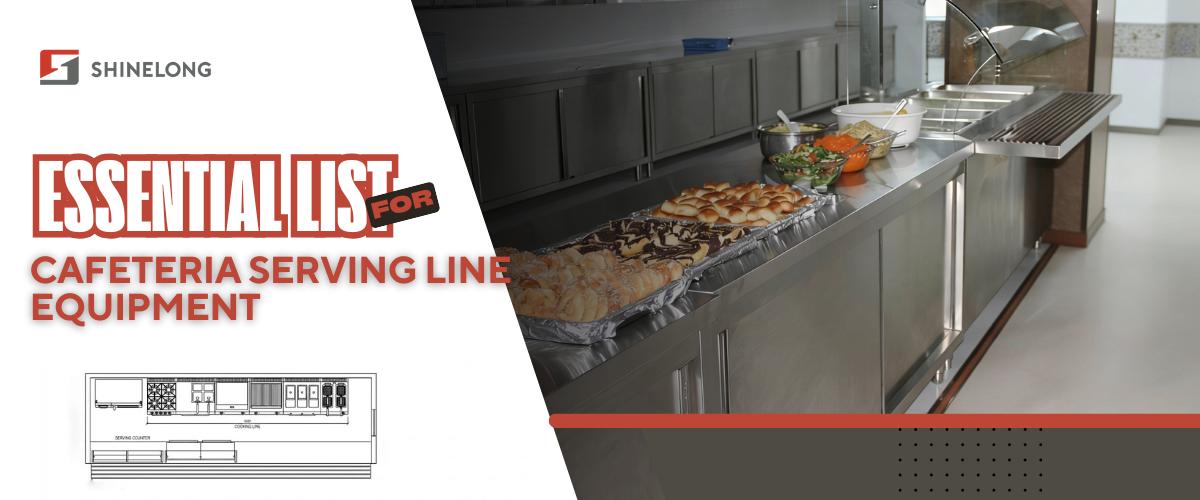
Setting up a successful cafeteria for an institution starts with a smooth and clear cafeteria serving line, but good design alone is not enough. To keep daily operations running efficiently, the entire cafeteria serving line equipment solution must work together as a system.
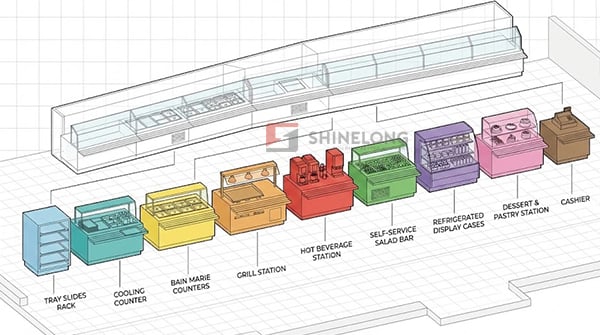
In most institutional canteens, a typical serving line follows a logical flow: tray and dinnerware supply, cold food wells, hot food wells, cooking stations, grab-and-go areas, beverage service, cashier, and finally condiments and sauces. Each step depends on the right equipment to maintain speed, food quality, and a comfortable dining experience.
In this guide, we summarize an essential cafeteria serving line equipment checklist by function to help you build a reliable serving line. Whether you’re planning a school cafeteria, hospital canteen, or corporate dining hall, this list ensures your operation is fully prepared for daily service.
Cafeteria Serving Line Design Guide
Everything You Need to Know About Institutional Kitchen
Cold Serving Station
- Drop-In Cold Food Wells: Installed directly into counters, they are designed to hold GN pans at safe temperatures for holding food. These units are an ideal solution for salads, cold sides, cut fruit, yogurt, and chilled proteins.
- Salad Bars: Remain one of the most flexible cold serving solutions. They are typical self-service counters and allow diners to create their own meals, which is especially valuable in corporate and educational dining. Modular salad bars also allow cafeterias to adjust layout seasonally or based on menu changes, improving long-term operational flexibility.
- Refrigerated Display Cases: Refrigerated display cases play both a functional and a presenting role. They are commonly used for desserts and some baked goods. Placing refrigerated displays early in the serving line helps diners make a quick option without hesitation.
Hot Serving Station
- Commercial Steam Tables: When it comes to the hot serving station, you can't miss Commercial steam tables. As an essential cafeteria kitchen equipment for keeping food at a hot and safe temperature by using steam, there is a wide range of types of it, such as drop-in bain marie, bain marie trolley and countertop model. Proper steam table selection depends on menu variety, pan configuration, and serving volume.
- Soup Kettles: Also known as soup warmers, provide the capacity to hold soup, gravy, and liquid foods at a constant serving temperature. They allow guests or staff to serve up food conveniently, especially when handling high-volume serving.
- Heated Display Cases: Combine holding and presentation. They are ideal cafeteria equipment for serving lines, showing the hot food like baked items, waffles, hot sandwiches, pizza slices, or breakfast items.
- Chafing Dishes: Chafing dishes are often used in temporary serving setups for special events. While more common in mobile catering, they are also useful for institutional cafeterias that rotate menus or host themed lunches.
Cooking Station
- Teppanyaki Grills: Commercial cooking equipment, like griddles or grills, offers richer and more diverse meal options for diners. Many people prefer made-to-order stir-fry or grilled proteins, and Teppanyaki grills provide an opportunity for diners to enjoy a more flavorful menu.
- Carving Stations: These are typically used for roasted meats, poultry, or signature menu items. They are especially popular in corporate cafeterias and institutional dining halls during peak service hours. Proper heat lamps and high-quality carving surfaces are essential to maintain food quality and safety throughout the entire service.
Merchandising & Grab-and-Go Area
- Open Air Refrigerator Merchandisers: Open air merchandisers allow quick access to packaged meals, drinks, and snacks without doors. They are ideal for fast-paced dining environments like hospitals and office cafeterias. These units should be placed strategically to avoid disrupting the main serving flow while still remaining highly visible.
- Microwaves: Microwaves support the reheating of refrigerated items and provide flexibility for diners with specific preferences. In institutional cafeterias, commercial-grade microwaves are preferred for their durability and speed. These should be placed at the end of the line, as they aren't essential for every guest and you want to avoid creating a bottleneck.
- Merchandiser Racks: For store packaged snacks, bakery items, or meal kits. They are low-cost but highly effective cafeteria supplies that improve product visibility and encourage impulse buys.
Beverage Equipment
Staying hydrated is essential for overall health. From water dispensers and frozen beverage machines to soda dispensers and milk coolers, beverage equipment provides key access points in the cafeteria dining hall, offering a wide range of options for diners.
POS & Accessory Station
- Cashier counters: Cashier counters should be designed with enough space for POS systems and staff movement. In high-volume cafeterias, multiple cashier points may be necessary. Modern cafeteria serving lines increasingly integrate cashless payment systems, ID card readers, especially in schools, or QR code payment for institutional settings to speed up transactions.
- Condiment Dispensers: Don't forget to set up an area for condiment dispensers positioned after payment. This is an essential part of the entire cafeteria food serving lines, as it allows diners to customize their meals to suit their taste.
- Tray & Silverware Stands: Stands should be placed at the beginning of the line. This ensures diners are fully equipped before entering the serving area, which reduces hesitation and confusion. When selecting these accessories, durable materials and ease of restocking are key factors to consider.
Choosing clear and efficient cafeteria equipment is about more than just buying a machine; it's about the entire canteen ecosystem. It is an essential element in creating a complete dining experience.
At SHINELONG Kitchen, we focus on delivering comprehensive, turnkey commercial kitchen solutions for all types of facilities. From professional consulting and a full range of commercial equipment to kitchen floor plan design, on-site installation, and responsive after-sales support, we handle the entire process.
Setting up an institutional kitchen project? Contact us today, and we’ll help bring your ideas to life.