After-Sales:
 EN
EN
 AR
AR
 HR
HR
 NL
NL
 FI
FI
 FR
FR
 DE
DE
 EL
EL
 HI
HI
 IT
IT
 PT
PT
 RO
RO
 RU
RU
 ES
ES
 TL
TL
 ID
ID
 SL
SL
 VI
VI
 ET
ET
 MT
MT
 TH
TH
 FA
FA
 AF
AF
 MS
MS
 IS
IS
 MK
MK
 HY
HY
 AZ
AZ
 KA
KA
 UR
UR
 BN
BN
 BS
BS
 KM
KM
 LO
LO
 LA
LA
 MN
MN
 NE
NE
 MY
MY
 UZ
UZ
 KU
KU


News
Dark Meat vs White Meat: Protein, Portions & Flavor Explained
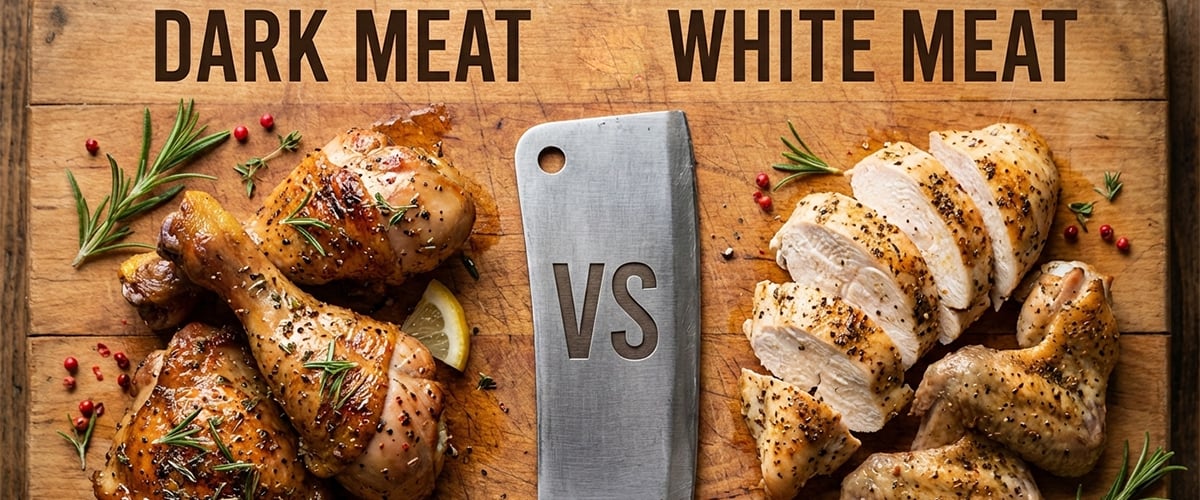
Do you really understand the true difference between dark meat and white meat in poultry? When designing menus for foodservice operations, it’s essential to understand the unique characteristics of each cut and apply the right cooking methods to highlight their texture and flavor. In this guide, we break down the protein content, portion characteristics, and flavor profiles of dark and white meat, helping you choose the right option and create better dishes for your foodservice menu.
What Is White Meat Poultry?
When it comes to poultry, there are basically two different types of meat, and white meat is one of them. So how do you tell which part of the bird is white meat?
First things first, obviously it's color. As the name suggests, white meat stays light in color through the whole cooking process, whether it’s raw or already plated up.
The location and function of the muscle are also factors in identifying it. White meat is typically found in the breast and wings of poultry like chicken or turkey. These muscles don’t work as much and contain less myoglobin than dark meat, which is why the meat looks lighter and tastes milder.
Nutrition Content of White Meat
While white meat contains less fat and calories, but rich in protein, which is why it’s commonly linked with lighter menus and healthier dining options.
The lower fat content gives white meat a cleaner, milder flavor, but it also means less natural moisture. Because of this, white meat requires more precise cooking control. Overcooking can quickly lead to dryness, which is why techniques like quick grilling, stir fry, baking, or paired with wrap and salad are usually preferred. Marinades, brining, and sauces are often used to improve juiciness and flavor.
With these characteristics, white meat is a popular choice for diners who are watching calorie intake or looking for lean protein. It fits well into menus designed for people who prefer healthy, hospital, school, and quick service restaurants that promote lighter meals.
What Is Dark Meat Poultry?
Compared with white meat, dark meat refers to the meat in dark color from the parts of the poultry, these pieces of muscle support frequent movement of the poultry, such as drumsticks, thighs and legs.
It's really easy to recognize dark meat by its deeper color, even before cooking. Once heated, it usually turns a rich brown rather than light white. This darker color comes from higher myoglobin content, a protein that stores oxygen in muscle cells. More muscle activity equals more myoglobin, and more myoglobin equals darker meat.
Nutrition Content of Dark Meat
One of the biggest differences between dark meat and white meat is the fat content, and this directly affects diner preferences, menu style, and cooking methods in a restaurant. Dark meat contains more fat, which means better moisture retention, deeper flavor, and a more tender texture after cooking.
Because of this natural fat, dark meat tastes extremely well with dry-heat and long cooking methods. Roasting and braising allow the fat to slowly render, building rich flavor and keeping the meat juicy. Frying is another great option, creating a crispy exterior while locking moisture inside. Compared to white meat, dark meat is far more forgiving and less likely to dry out.
In terms of nutrition, dark meat contains slightly less protein per ounce than white meat, but the difference is much smaller than most people expect. What it offers instead is a stronger flavor and better texture, which often leads to higher customer satisfaction.
From a menu perspective, dark meat is ideal for dishes like stews, curries, roasted chicken, fried chicken, rice bowls, and sauced entrees. It’s especially popular in comfort food, ethnic cuisine, and high-volume foodservice operations where consistency and flavor matter more than ultra-lean nutrition labels.