After-Sales:
 EN
EN
 AR
AR
 HR
HR
 NL
NL
 FI
FI
 FR
FR
 DE
DE
 EL
EL
 HI
HI
 IT
IT
 PT
PT
 RO
RO
 RU
RU
 ES
ES
 TL
TL
 ID
ID
 SL
SL
 VI
VI
 ET
ET
 MT
MT
 TH
TH
 FA
FA
 AF
AF
 MS
MS
 IS
IS
 MK
MK
 HY
HY
 AZ
AZ
 KA
KA
 UR
UR
 BN
BN
 BS
BS
 KM
KM
 LO
LO
 LA
LA
 MN
MN
 NE
NE
 MY
MY
 UZ
UZ
 KU
KU

News
What is the best kitchen layout for a restaurant?
The kitchen is the core of a restaurant, and a scientific and reasonable kitchen layout of restaurant directly determines the operational efficiency, food quality, and even the profitability of the entire restaurant. A well-designed layout can streamline the workflow of chefs, reduce unnecessary movement, ensure food safety compliance, and better showcase the performance of commercial kitchen equipment. As a leading provider of commercial kitchen solutions,
Straight (Galley) Kitchen Layout: Efficiency for Small to Medium-Sized Restaurants
The straight (or galley) kitchen layout is one of the most classic and space-saving designs, featuring all equipment and workstations arranged in a single straight line. This layout is particularly suitable for small to medium-sized restaurants, fast-food outlets, or restaurants with narrow kitchen spaces, as it minimizes the distance between work areas and allows staff to move quickly along the line.
In this kitchen layout of restaurant, the workflow follows a logical sequence: food preparation → cooking → plating → delivery. SHINELONG’s compact cooking equipment (such as modular stoves and energy-saving fryers) and under-counter refrigeration appliances are perfectly suited for this layout. Their space-saving design does not compromise functionality—for example, the Premium series cooking equipment integrates multiple cooking functions, while the energy-efficient refrigeration equipment maintains stable temperatures without occupying excessive space. Additionally, SHINELONG’s stainless steel fabrication products, such as custom-sized worktables and shelves, can be seamlessly integrated into the straight layout, ensuring every inch of space is utilized effectively. This layout is highly praised by fast-food restaurant owners for its simplicity, low cost, and high efficiency, and
L-Shaped Kitchen Layout: Flexibility for Medium-Sized Restaurants
The L-shaped kitchen layout arranges equipment and workstations along two adjacent walls, forming an "L" shape. This design expands the working space compared to the straight layout, allowing for more flexible division of functional areas while maintaining a compact footprint. It is an ideal choice for medium-sized restaurants that need to balance efficiency and operational diversity.
The L-shaped layout typically divides the kitchen into two core zones: one for food preparation and refrigeration, and the other for cooking and cleaning. This separation reduces cross-traffic and avoids collisions between staff.
U-Shaped Kitchen Layout: Versatility for Large Restaurants
The U-shaped kitchen layout surrounds three walls with equipment and workstations, creating a closed working area. This design offers maximum counter space and storage capacity, making it suitable for large restaurants, high-end eateries, or commercial kitchens that require multiple staff to work simultaneously.
The U-shaped layout allows for clear zoning of food preparation, cooking, cleaning, and storage areas, with each zone easily accessible from the center of the "U". This promotes teamwork and reduces movement time—chefs can reach ingredients, cooking tools, and cleaning facilities without walking long distances. SHINELONG’s comprehensive product range fully supports this layout: the cooking zone can be equipped with the Premium PLUS series heavy-duty stoves and grills (capable of withstanding long hours of high-frequency use), the preparation area can use SHINELONG’s food processor machines and multi-functional worktables, and the cleaning zone can be fitted with high-capacity dishwashing and sterilization systems. Additionally,
Island Kitchen Layout: Visibility for Open-Concept Restaurants
The island kitchen layout features a central island (equipped with cooking, preparation, or plating facilities) surrounded by other workstations. This design is increasingly popular in modern restaurants, especially those with open-concept dining areas where customers can see the kitchen operations. It enhances the dining experience by adding transparency and interactivity, while also improving workflow efficiency.
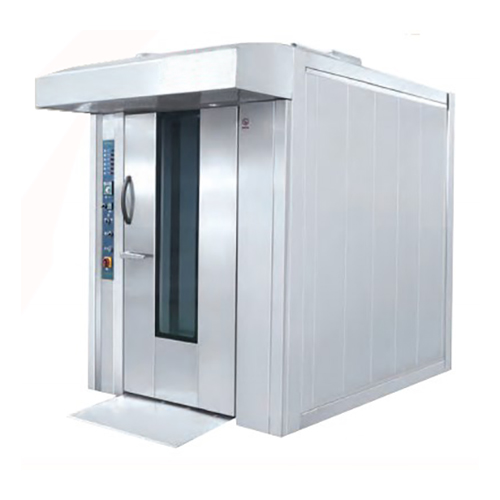
The central island in this layout can serve as a focal point—for example, it can be equipped with SHINELONG’s smart bakery equipment (such as automated ovens) for live baking, or a high-end cooking station where chefs prepare signature dishes in front of customers. The surrounding areas can be used for food storage, cleaning, and plating, with
Zone-Style Kitchen Layout: Specialization for Diversified Menus
The zone-style (or modular) kitchen layout divides the kitchen into multiple independent zones based on functional needs, such as a hot dish zone, cold dish zone, bakery zone, dessert zone, and cleaning zone. Each zone is equipped with specialized equipment tailored to its tasks, making it ideal for restaurants with diversified menus, such as buffets, hotels, or multi-cuisine restaurants.
This layout emphasizes specialization and separation, which not only improves efficiency but also ensures food safety by preventing cross-contamination between raw and cooked ingredients. SHINELONG’s extensive product range covers all functional zones: the hot dish zone can use high-power cooking equipment from the Premium series, the cold dish zone can be equipped with specialized refrigeration and preparation tables, the bakery zone can adopt
Key Factors to Choose the Best Restaurant Kitchen Layout
Choosing the best kitchen layout for a restaurant is not a one-size-fits-all decision; it requires considering multiple factors to ensure that the layout aligns with the restaurant’s size, menu, customer traffic, and operational goals.
First, space size and shape are fundamental. Small restaurants may benefit from straight or L-shaped layouts, while large spaces can accommodate U-shaped or zone-style layouts.
How SHINELONG’s Products Enhance Your Restaurant Kitchen Layout
A great kitchen layout can only reach its full potential when paired with high-quality, well-matched equipment.
Frequently Asked Questions (FAQs)
Q1: How do I select the best commercial kitchen layout based on my specific restaurant menu?
A: Menu complexity is the primary driver of layout selection. For simple, repetitive menus such as fast-food or burger concepts, a straight or galley layout maximizes speed and output. However, establishments offering a diverse culinary program—such as hotels, buffets, or fine-dining venues—require a specialized zone-style layout. This modular configuration ensures that distinct stations can operate in parallel using dedicated
Q2: What role does MEP coordination play when deploying a U-shaped commercial kitchen layout?
A: A U-shaped layout utilizes three adjacent walls, placing a heavy density of hardware along a closed perimeter. Comprehensive MEP (Mechanical, Electrical, and Plumbing) coordination ensures that electrical loads, gas connectivity, specialized water filtration, and high-volume ventilation hoods are positioned accurately prior to installation. This precise planning prevents costly on-site structural modifications and ensures all technical components operate at peak energy efficiency safely.
Q3: Why is custom stainless steel fabrication critical for eliminating operational dead zones?
A: Standard catalog appliances rarely conform perfectly to the unique layout irregularities or corner dimensions of a commercial property. Custom stainless steel fabrications—such as custom-sized worktables, corner fillers, and vertical shelving racks—allow operators to capture and utilize every square inch of space. This tailormade integration ensures smooth, seamless transitions between cooking, preparation, and cleaning zones, eliminating gaps where dirt or waste can accumulate.