After-Sales:
 EN
EN
 AR
AR
 HR
HR
 NL
NL
 FI
FI
 FR
FR
 DE
DE
 EL
EL
 HI
HI
 IT
IT
 PT
PT
 RO
RO
 RU
RU
 ES
ES
 TL
TL
 ID
ID
 SL
SL
 VI
VI
 ET
ET
 MT
MT
 TH
TH
 FA
FA
 AF
AF
 MS
MS
 IS
IS
 MK
MK
 HY
HY
 AZ
AZ
 KA
KA
 UR
UR
 BN
BN
 BS
BS
 KM
KM
 LO
LO
 LA
LA
 MN
MN
 NE
NE
 MY
MY
 UZ
UZ
 KU
KU


News
What are key elements of restaurant kitchen design layout?
Understanding Workflow
When planning a restaurant kitchen, the flow of movement is crucial. A well-thought-out workflow ensures that staff can move smoothly between different stations, reducing delays and improving efficiency. This involves arranging areas for prep, cooking, and cleaning in a logical sequence. By focusing on a streamlined path, you minimize collisions and bottlenecks, which is a fundamental part of any restaurant kitchen design layout. Think about how ingredients travel from storage to plate; a disjointed setup can lead to wasted time and errors, so it's vital to map this out early.
Choosing the Right Equipment
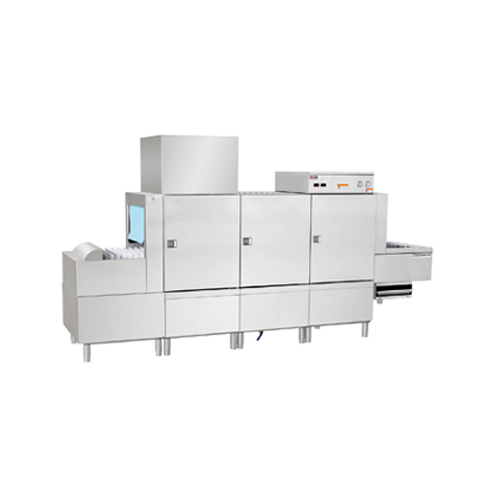
Selecting and placing equipment wisely can make or break a kitchen's functionality. It's not just about having the latest gadgets; it's about positioning them to support the workflow. For instance, placing ovens and grills near prep stations speeds up cooking, while keeping refrigeration accessible reduces unnecessary steps. Consider the size and type of equipment based on your menu to avoid overcrowding. A smart restaurant kitchen design layout integrates heavy-duty
Ensuring Safety and Hygiene
Safety and cleanliness are non-negotiable in any kitchen design. A good layout includes clear pathways to prevent accidents and easy-to-clean surfaces to maintain hygiene. Choosing premium
Maximizing Space Usage
Effective space utilization is key to a functional kitchen, especially in smaller areas. Use vertical storage for utensils and ingredients to free up counter space, and consider modular units that can be rearranged as needed. Avoid dead zones where equipment or staff get stuck, and ensure there's room for movement during peak hours. A thoughtful restaurant kitchen design layout makes every inch count, balancing storage, work areas, and traffic flow to keep the kitchen running smoothly without feeling cramped.
Wrapping It Up
In summary, a successful restaurant kitchen hinges on integrating workflow, equipment, safety, and space. By addressing these elements, you can boost productivity and create a pleasant working atmosphere. Remember, a well-planned restaurant kitchen design layout not only enhances efficiency but also contributes to the overall dining experience, making it a worthwhile investment for any food service setup.
Frequently Asked Questions (FAQs)
Q1: What are the primary workflow layouts used in restaurant kitchen design?
A: Commercial kitchens generally utilize three main layout topologies to maximize operational efficiency: the assembly-line layout, the zone layout, and the island layout. An assembly-line setup works perfectly for high-volume, repetitive menus like fast food or buffets. A zone layout clusters specific tasks (such as a distinct frying zone, baking zone, or raw prep zone) to prevent cross-contamination. An island layout places core cooking suites in the center with preparation counters along the perimeter, promoting better communication among staff.
Q2: How does proper refrigeration placement impact food safety and kitchen throughput?
A: Strategically positioning refrigeration units minimizes wasted foot traffic and prevents operational bottlenecks during peak hours. Placing reach-in refrigerators or refrigerated preparation drawers directly beneath or adjacent to cooking lines keeps high-use ingredients within a 3-foot radius of the chef. This setup helps maintain strict cold-chain integrity, prevents temperature fluctuations that compromise food safety, and significantly cuts down on overall meal preparation time.
Q3: Why is adequate ventilation a regulatory necessity in commercial kitchen design?
A: Professional ventilation systems—including Type I and Type II exhaust hoods—are essential for managing heavy smoke, heat, steam, and grease-laden vapors produced during high-volume cooking. Proper airflow management prevents grease accumulation on walls and equipment, reducing fire hazards and ensuring strict compliance with local health and safety fire codes. Additionally, it creates a cooler, safer, and more comfortable working environment for the kitchen staff, which reduces physical fatigue.