After-Sales:
 EN
EN
 AR
AR
 HR
HR
 NL
NL
 FI
FI
 FR
FR
 DE
DE
 EL
EL
 HI
HI
 IT
IT
 PT
PT
 RO
RO
 RU
RU
 ES
ES
 TL
TL
 ID
ID
 SL
SL
 VI
VI
 ET
ET
 MT
MT
 TH
TH
 FA
FA
 AF
AF
 MS
MS
 IS
IS
 MK
MK
 HY
HY
 AZ
AZ
 KA
KA
 UR
UR
 BN
BN
 BS
BS
 KM
KM
 LO
LO
 LA
LA
 MN
MN
 NE
NE
 MY
MY
 UZ
UZ
 KU
KU


News
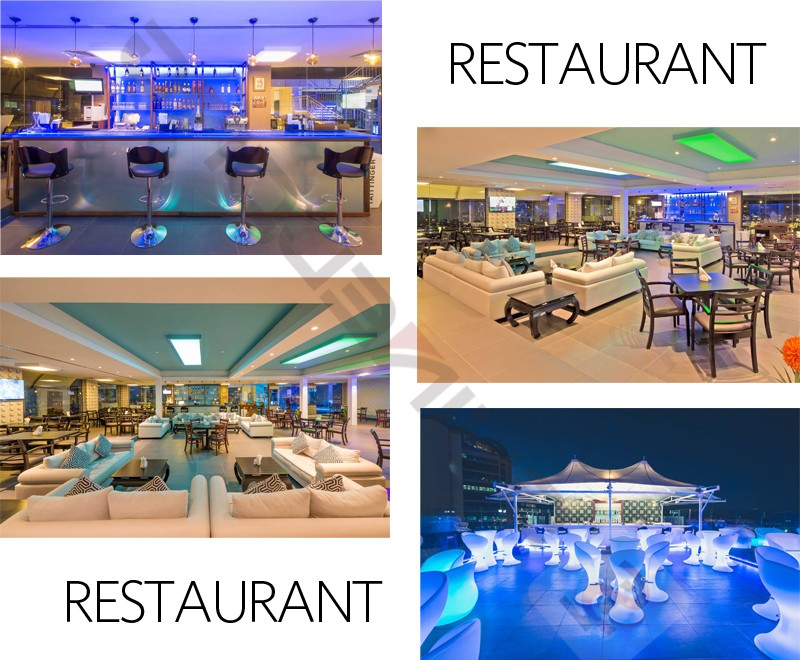
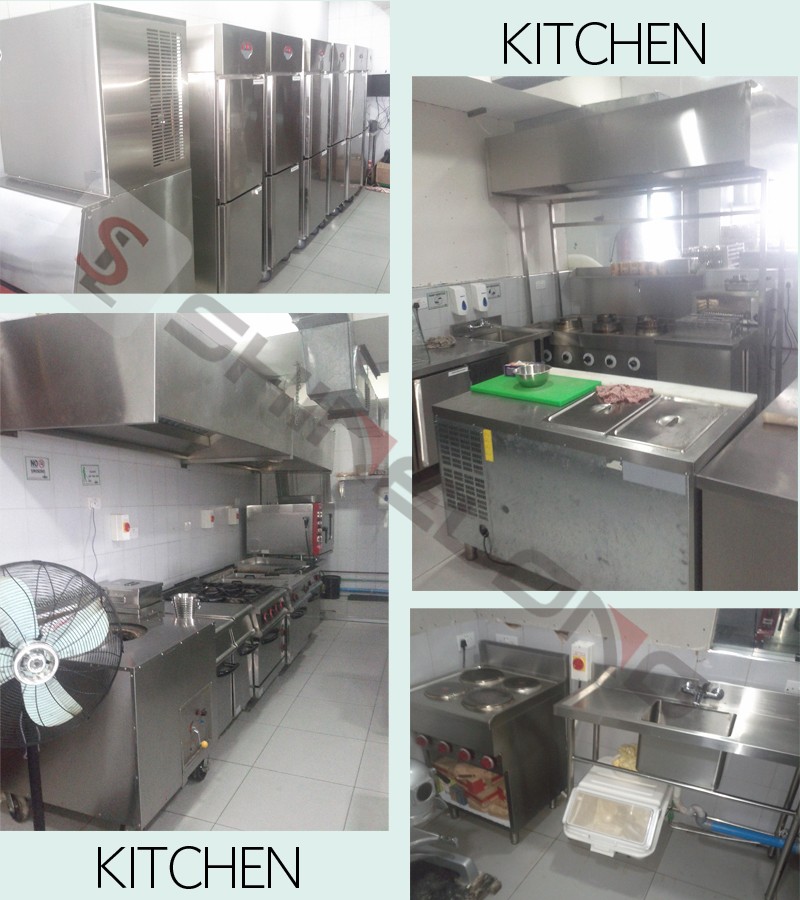
TANZANIA HIGH SPIRIT RESTAURANT KITCHEN PROJECT BY SHINELONG-
Strategic Entry into Tanzania's Commercial Kitchen Market
Rising Demand for Modern Back of House (BOH) Operations Optimization in Tanzania
The hospitality industry in Tanzania is really feeling the squeeze when it comes to getting kitchen operations running smoothly, especially since tourism numbers keep climbing at around 6.8% each year according to World Bank data from 2023. Many restaurants are focusing on investing in equipment that cuts down wait times without compromising cleanliness standards. But there's a catch here because power supply remains inconsistent across much of the country, and finding skilled technicians to maintain this equipment isn't easy either. Looking at recent market trends, the 2024 African Food Service Market Analysis points out that businesses throughout Africa increasingly need flexible kitchen setups that can work within whatever local conditions exist, whether that means dealing with sporadic electricity or lack of proper plumbing facilities.
Aligning International Kitchen Contracting Services with Local Culinary Infrastructure Needs
Kitchen upgrades in Tanzania need to find a middle ground between what works globally and what actually functions in local conditions. Take this stat from the Tanzania Bureau of Standards report in 2023: around two thirds of city restaurants are still burning charcoal on their stoves. That creates some pretty tough problems for anyone trying to redesign these spaces. What we're seeing now is international firms coming in with mixed approach kitchens. They install cooking areas that can switch between different fuels and put in inventory systems that work even when electricity cuts out something essential given how often power goes down here. These solutions keep things running smoothly despite all the interruptions.
Shinelong's Expansion: Case Study in East African Market Entry
A leading commercial kitchen provider demonstrated scalable market entry through a phased Dar es Salaam pilot. Key strategies included:
- Partnering with local engineering firms to customize ventilation systems for coastal humidity
- Training 120 Tanzanian technicians on preventive maintenance protocols
- Implementing energy recovery systems that cut utility costs by 18% in high-volume kitchens
This approach reduced post-installation service calls by 40% within six months while adhering to strict 36-month ROI requirements common in emerging markets.
Kitchen Efficiency Through Smart Design and Automation Technology
Integration of Smart Cooking Equipment for Consistent Output
In today's busy restaurants across Tanzania, chefs are turning to smart kitchen gear to get reliable results every time. These fancy combi ovens come equipped with sensors that detect moisture levels and tweak temperatures on their own, so steaks come out perfectly cooked even when serving over 300 customers per day. Restaurant owners who invest in these connected appliances typically see around a 20% drop in electricity bills, plus they can count on dishes tasting the same from one order to the next. This matters a lot for local food businesses trying to grow their reputation beyond just family recipes passed down through generations. A recent market analysis from the US food service equipment sector backs up what many operators already know from experience.
Automated Ventilation and Energy Management Systems
The sweltering 35 degree Celsius average temps across Tanzania turn kitchen climate management into something of a productivity problem for many local businesses. New smart hood technology is changing this though. These systems adjust their exhaust power based on actual heat levels and moisture readings in the air, which has led to around a third reduction in air conditioning costs according to recent findings from Harlem World Tech Report in 2023. For places like the older cooking areas in Dar es Salaam where equipment tends to be outdated, automated systems that detect gas leaks and shut down safely when needed are making a real difference. Many small restaurant owners report feeling much more confident about running their operations without constant worry about potential hazards or uncomfortable working conditions.
Data-Driven Workflow Analysis: Reducing Service Lag by 40%
By mapping staff movement patterns in the Tanzania Restaurant Kitchen Project, Shinelong identified 27 redundant steps in appetizer preparation. Post-optimization results show:
Metric |
Pre-Installation |
Post-Installation |
Service Lag per Order |
8.3 minutes |
4.9 minutes |
Staff Crossovers/hour |
42 |
19 |
Table Turnover Rate |
1.8x/day |
2.5x/day |
These improvements reflect how targeted spatial and process redesign directly enhances operational performance.
Balancing High-Tech Adoption with Skilled Labor Availability in Tanzania
Automation definitely makes things run smoother, but most cooks in Tanzania haven't worked in smart kitchens before either. According to the National Vocational Training Council report from 2023, just about 12% of food service workers have experience with these high tech setups. Smart companies are starting to combine new kitchen equipment with something their staff actually understands. They're using augmented reality guides in Swahili for fixing problems, along with interactive games that teach how everything works. This combination method helps keep productivity up while Tanzania's restaurants slowly move towards more modern back of house operations. The results speak for themselves too, with around 89% of staff getting comfortable with the technology after just two months of training.
Optimizing Back of House Operations with Shinelong's Design Framework
Spatial Reconfiguration Based on Motion-Efficiency Principles
Shinelong's BOH framework begins with ergonomic spatial planning, reducing staff movement by 30% through workstation triangulation (Ceba Solutions 2023). By applying industrial engineering principles to kitchen workflows, high-traffic zones like prep stations and plating areas are positioned to minimize cross-traffic, aligning with Tanzania's need for scalable culinary infrastructure.
Custom Commercial Kitchen Equipment Layouts for High-Volume Service
The project integrates modular cooking suites tailored for Tanzania's diverse menu demands. Griddle stations, combi ovens, and blast chillers are arranged in U-shaped configurations to accelerate meal assembly during peak hours—a design proven to handle 300+ covers nightly without workflow bottlenecks.
Measurable Impact of Technology on Staff Efficiency and Workflow
Post-implementation data from the Tanzania project reveals a 40% reduction in service lag through IoT-enabled equipment synchronization. Staff now complete 22% more orders per shift, with heat-mapping tools identifying underutilized zones for further optimization.
Integrating Staff Training with New BOH Systems for Seamless Adoption
Shinelong paired hardware upgrades with localized training programs, including Swahili-language guides for equipment interfaces. Cross-training initiatives reduced dependency on specialized roles, ensuring operational continuity during staff turnover—a critical factor in Tanzania's evolving hospitality labor market.
Digital Integration: POS and Inventory Systems in the Tanzania Restaurant Kitchen Project
Real-Time Ingredient Monitoring Reduces Waste by 27%
When smart inventory tracking gets built into point of sale systems, restaurant kitchens can actually see exactly what ingredients get used day to day throughout the Tanzania Restaurant Kitchen Project. The system looks at which menu items sell well versus others and then alerts staff when there's too much stock sitting around that might go bad otherwise. We saw a pretty impressive drop in food waste after implementing this approach - something like 27% less wasted ingredients just six months later. That makes all the difference in Tanzania where fresh produce often takes forever to arrive from suppliers. These modern POS systems also help prevent buying too much stuff by creating automatic shopping lists based on what seasons bring for customer preferences.
Synchronization Between Order Input and Kitchen Display Systems
When restaurants in Tanzania started using real time point of sale to kitchen display systems (KDS), they saw a big drop in those annoying manual order mistakes that used to cause about 18% of all service delays according to restaurant benchmarks. Now when customers place their orders through the POS system, everything gets sent straight to the kitchen prep stations on digital tickets that show exactly what needs customizing and when things should be cooked. The results? Meal preparation times went down around 22% on average, and order accuracy hit nearly 98.7% even during busy lunch rushes, something industry reports from 2024 confirmed. Restaurant staff received special training on how to read those KDS alerts so they could focus on making sure fast cooking items get attention first when business is at its busiest.
Cloud-Based Reporting for Multi-Location Managerial Oversight
The central dashboard pulls together sales numbers, stock levels, and how well equipment is running from every site into one easy to read display. Restaurant managers can check things like how much fuel gets used per meal served or how efficiently the coolers are working right from their phones via cloud based management tools. When there are power issues in certain areas, the system will switch on generators by itself and keep track of how much energy gets consumed during those outages. This information helps restaurants in Tanzania plan better for backup power as their local electricity supply continues to develop. Every night, detailed reports show which locations generate less waste compared to others. Operators then share what works best between different branches so everyone can improve over time.
Shinelong's Role in Advancing Commercial Kitchens Across Africa
Global Expertise, Local Adaptation: Shinelong Kitchen Project Africa
When Shinelong started expanding across Africa, it became clear just how different international kitchen contracting really is when meeting local needs on the ground. According to the latest Pan-African Culinary Infrastructure Report from 2024, there's been about a 23 percent jump in requests for these special hybrid kitchen setups that somehow manage both automated features and work within what little power most areas actually have access to. That's exactly where Shinelong steps in. Their solution? Workstations made from super durable stainless steel that can handle all sorts of heat fluctuations typical in places like Tanzania. These aren't your regular kitchen appliances either they're specifically designed to last longer under tough conditions while still maintaining food safety standards.
Building Supply Chain Resilience and After-Sales Support in Africa
Setting up parts storage locations in both Mombasa and Dar es Salaam has helped Shinelong cut down equipment downtime significantly, around 65% less than what European companies face when they depend on shipping parts from across the ocean. The company's approach makes sense given recent World Bank data from 2023 indicating that many African hotel operators really care about quick service. Most look for suppliers who can respond within about 15 hours or so. Shinelong actually hits this mark thanks to working relationships with qualified technicians right here in the region. This kind of fast support is becoming increasingly important as businesses try to keep their operations running smoothly without unnecessary delays.
Benchmarking Against European Competitors in Emerging Markets
Shinelong's modular kitchen systems achieve 90% functional parity with premium European models at 55% lower capital expenditure, according to independent lifecycle cost analyses. This price-performance ratio positions Shinelong as the preferred partner for multi-unit restaurant groups scaling across East Africa's $7.8B foodservice sector (PwC 2024).
Cost-Effectiveness vs. Long-Term Technological Scalability: A Strategic Balance
The Tanzania Restaurant Kitchen Project exemplifies Shinelong's phased adoption strategy—implementing cloud-connected refrigeration monitors first, while reserving AI-powered inventory systems for later expansion. This approach lowers initial costs by 34% compared to full automation, while preserving upgrade pathways as digital infrastructure matures.
FAQ
What challenges do restaurants face in Tanzania's commercial kitchen market? Restaurants face challenges such as inconsistent power supply and lack of skilled technicians, making it difficult to maintain modern kitchen equipment.
How does Shinelong adapt international kitchen designs to local conditions in Tanzania? Shinelong adapts designs by integrating mixed approach kitchens that can switch between different fuels and installing inventory systems that operate even during electricity outages.
What impact does smart technology have on kitchen operations? Smart technology enhances consistency in food preparation, reduces electricity costs, and improves order accuracy, leading to more efficient and reliable kitchen operations.
How are local staff in Tanzania trained to handle new kitchen technology? Local staff are trained using augmented reality guides and interactive games in Swahili, making them comfortable with smart kitchen setups within two months.