After-Sales:
 EN
EN
 AR
AR
 HR
HR
 NL
NL
 FI
FI
 FR
FR
 DE
DE
 EL
EL
 HI
HI
 IT
IT
 PT
PT
 RO
RO
 RU
RU
 ES
ES
 TL
TL
 ID
ID
 SL
SL
 VI
VI
 ET
ET
 MT
MT
 TH
TH
 FA
FA
 AF
AF
 MS
MS
 IS
IS
 MK
MK
 HY
HY
 AZ
AZ
 KA
KA
 UR
UR
 BN
BN
 BS
BS
 KM
KM
 LO
LO
 LA
LA
 MN
MN
 NE
NE
 MY
MY
 UZ
UZ
 KU
KU


News
How to design a cafeteria kitchen with the right equipment?
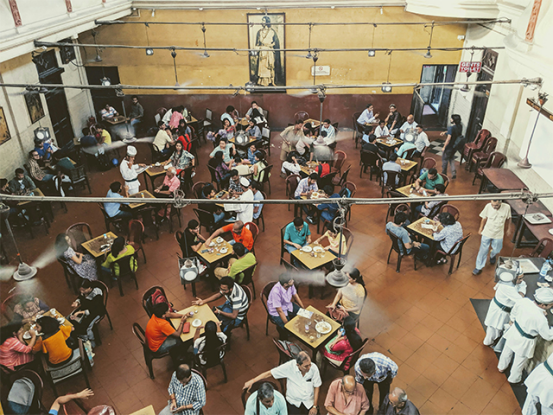
Understanding the Unique Demands of Cafeteria Food Service
Designing a cafeteria kitchen with the right equipment begins with understanding how cafeteria operations differ from restaurants. A cafeteria serves large volumes of food within fixed serving windows, typically 2-3 hours per meal period, to a diverse customer base including students, employees, or facility users. The kitchen must produce thousands of meals efficiently while maintaining food quality and safety standards. Unlike a la carte restaurants where cooking follows customer orders, cafeteria kitchens prepare food in batches based on forecast demand, hold it in warmers or chillers, and present it on serving lines. This operational model determines the equipment selection: large-capacity cooking equipment for batch production, holding equipment to maintain food temperature, and serving line equipment for efficient distribution.
Core Cooking Equipment for High-Volume Production
The heart of a cafeteria kitchen is the cooking equipment capable of batch production. Tilting braising pans, available in capacities from 40 to 80 gallons, allow one operator to braise, stew, or sauté large quantities of food and tilt the pan for easy unloading. Steam kettles with capacities from 20 to 200 gallons cook soups, stews, pasta, and rice efficiently, with steam-jacketed construction providing even heat distribution. Combination ovens, which combine convection and steam cooking modes, offer menu flexibility by baking, roasting, steaming, and regenerating food in a single unit. Range tops and griddles provide additional cooking capacity for items requiring direct heat. The equipment selection must match the menu and meal count: a school cafeteria serving 500 lunches daily may require two 60-gallon steam kettles, a 40-gallon tilting braising pan, and a combination oven, while a corporate canteen serving 1,000 meals may need double that capacity with redundancy built in for equipment maintenance.
Holding and Serving Line Equipment
After production, food must be held at safe temperatures until service. Holding equipment includes heated food warmers, chafing dishes, and insulated transport containers for mobile operations. The serving line configuration is a defining feature of cafeteria operations. Hot food stations use heated counter wells that hold food pans at 140°F or above, while cold stations use refrigerated wells maintaining food at 40°F or below. Salad bars, dessert stations, and beverage dispensers complete the serving line. The line design must consider traffic flow, queuing capacity, and accessibility for customers with disabilities. A typical cafeteria serving line sequence is: tray and flatware station, cold food counter, hot food counter, carving station, dessert counter, and cashier station. Each station requires specific equipment and supplies positioned for efficient service flow.
Food Safety and HACCP Compliance in Cafeteria Kitchens
Cafeteria kitchens operating in institutional settings face stringent food safety requirements. HACCP principles, which identify and control biological, chemical, and physical hazards throughout the food production process, should guide equipment selection and kitchen layout. Key considerations include: separate receiving and storage areas to prevent cross-contamination, designated prep zones for raw and cooked foods, adequate refrigeration capacity to maintain cold chain integrity, and cooking equipment capable of reaching and maintaining required internal temperatures. Dishwashing equipment must handle the volume of trays, flatware, and serving utensils generated by high-turnover service. A practical example is a hospital cafeteria that implemented color-coded cutting boards and prep areas for different food types, complemented by equipment layout that separated raw food preparation from cooked food assembly. This approach supported the facility's HACCP documentation requirements while reducing the risk of foodborne illness.
Space Planning and Workflow in Cafeteria Kitchens
Cafeteria kitchen design must optimize space for both production and service functions. The production area requires adequate space around cooking equipment for safe operation, ventilation clearance for hood systems, and access for cleaning. The serving area requires space for customer queuing, station operation, and replenishment access from the kitchen side. The dish return area, where customers deposit used trays, should be positioned near the kitchen entrance for efficient transport to the dishwashing zone. A common design challenge is the conflict between customer-facing serving space and back-of-house production space. Cafeteria kitchen planners should allocate approximately 60 percent of total space to production and 40 percent to service functions, adjusting based on the specific operation. Ventilation systems must be sized for the high heat and steam load of batch cooking, with exhaust hoods covering all heat-producing equipment.
Selecting a Cafeteria Kitchen Equipment Supplier
Cafeteria kitchen projects typically involve complete equipment packages rather than individual purchases, making supplier selection critical. A supplier for institutional projects should demonstrate experience with the specific sector: educational catering, corporate canteens, or healthcare foodservice. Key evaluation criteria include: ability to provide complete turnkey solutions from design consultation to installation, familiarity with HACCP and local food safety regulations, track record of similar institutional projects, after-sales service capability including spare parts availability, and training programs for kitchen staff. A supplier that has equipped school and institutional kitchens for over 18 years, with more than 8,000 completed projects across 150 countries, can provide reference installations and design guidance based on proven operational patterns. When selecting a supplier, cafeteria operators should request detailed equipment schedules, layout drawings, and references from comparable institutions, and verify that the proposed package includes installation, commissioning, and staff training. Suppliers experienced in institutional food service should also provide documentation for competitive bidding, including detailed specifications, compliance statements, and warranty terms that public agencies require. Because cafeteria projects are frequently awarded through competitive bidding, the supplier ability to provide complete documentation, precise specifications, and transparent pricing directly affects project approval and funding.
Q: What equipment is essential for a cafeteria kitchen?
A: Essential equipment includes large-capacity cooking equipment (tilting braising pans, steam kettles, combination ovens), holding equipment (heated warmers, chillers), serving line equipment (heated/refrigerated wells), and high-volume dishwashing equipment.
Q: How do cafeteria kitchens differ from restaurant kitchens?
A: Cafeteria kitchens prepare food in batches for fixed serving windows rather than cooking to order, requiring larger capacity cooking equipment, holding equipment to maintain temperature, and serving line infrastructure for efficient distribution to customers.
Q: How should a cafeteria serving line be organized?
A: A typical serving line sequence is: tray and flatware station, cold food counter, hot food counter, carving station, dessert counter, and cashier station. The layout should consider traffic flow, queuing capacity, and accessibility.