پس از فروش:
 EN
EN
 AR
AR
 HR
HR
 NL
NL
 FI
FI
 FR
FR
 DE
DE
 EL
EL
 HI
HI
 IT
IT
 PT
PT
 RO
RO
 RU
RU
 ES
ES
 TL
TL
 ID
ID
 SL
SL
 VI
VI
 ET
ET
 MT
MT
 TH
TH
 FA
FA
 AF
AF
 MS
MS
 IS
IS
 MK
MK
 HY
HY
 AZ
AZ
 KA
KA
 UR
UR
 BN
BN
 BS
BS
 KM
KM
 LO
LO
 LA
LA
 MN
MN
 NE
NE
 MY
MY
 UZ
UZ
 KU
KU


اخبار
نکات عملی که در طراحی آشپزخانه رستوران نباید از آنها غافل شد
طراحی آشپزخانه رستوران یکی از مهمترین مراحل در ایجاد یک عملیات غذایی موفق است. در حالی که سالن پذیرایی بر فضای محیط و تجربه مهمان متمرکز است، بخش پشتیبانی (back-of-house) کاملاً حول محور کارایی، ایمنی و پایداری است. یک آشپزخانه تجاری با برنامهریزی دقیق، موتور محرکه کل رستوران شماست و چیدمان مناسب میتواند بهطور چشمگیری جریان کار، سرعت و عملکرد کلی را بهبود بخشد.
در این مقاله، نکات عملی و کاربردی را بررسی میکنیم که به مدیران کمک میکند تا از اشتباهات رایج در طراحی آشپزخانه رستوران اجتناب کنند، صرفنظر از اینکه شما در حال ساخت یک رستوران فستفود (QSR) ، یک کافه مستقل یا یک آشپزخانه نهارخوری لوکس در داخل یک هتل هستید.

ملاحظات کلیدی قبل از شروع طراحی آشپزخانه تجاری
برخلاف فضاهای غذاخوری، که دکوراسیون آنها پس از افتتاح قابل تنظیم است، دستکاری آشپزخانه پس از شروع عملیات بسیار دشوار و پرهزینه است. طرحهای کف آشپزخانه رستوران شامل چیدمان، لولهکشی، سیستمهای برقی، تهویه، خطوط گاز و مجموعه کاملی از تجهیزات آشپزخانه تجاری میشود. به همین دلیل، گذراندن زمان بیشتری در مرحله اولیه برنامهریزی ضروری است. اهداف خود را بهطور کامل با طراح آشپزخانه یا تأمینکننده تجهیزات آشپزخانه تجاری خود مطرح کنید. هر چه دیدگاه شما روشنتر باشد، با چالشهای غیرمنتظره کمتری در آینده مواجه خواهید شد و چیدمان نهایی آشپزخانه تجاری شما کارآمدتر خواهد بود.
انتخاب بین چیدمان آشپزخانه باز یا بسته
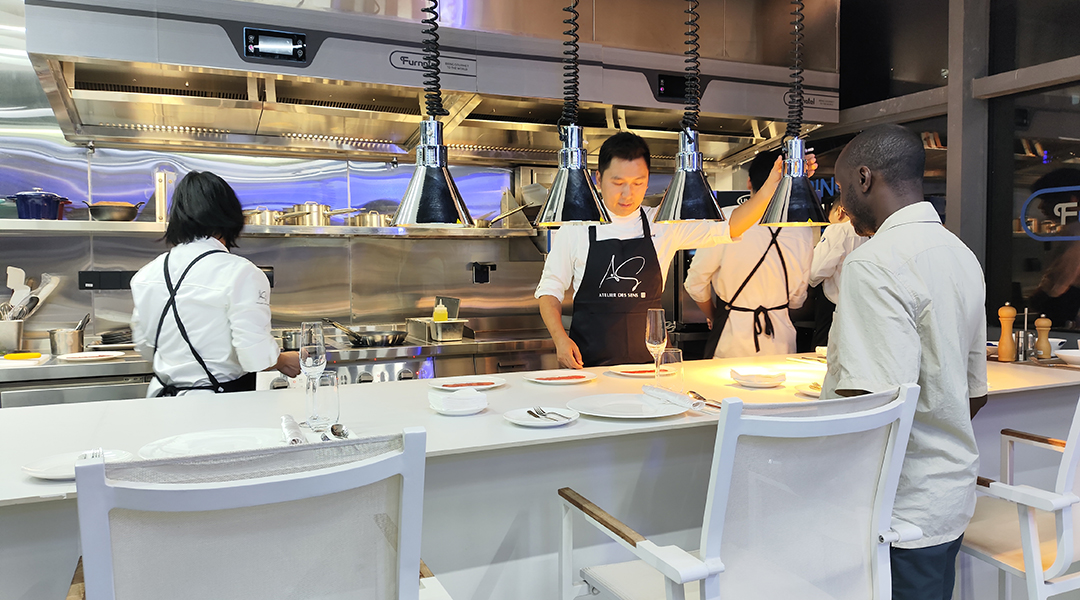
در طراحی آشپزخانه رستوران، چیدمانها معمولاً در دو دسته قرار میگیرند: آشپزخانههای باز و آشپزخانههای بسته. آشپزخانههای باز بهویژه در مفاهیم مدرن غذاهای زرق و برقدار و ترکیبی، هرچه بیشتر محبوب شدهاند. این نوع آشپزخانه حس فضای بازی را ایجاد میکند، به مشتریان اجازه میدهد فرآیند پختوپز را تماشا کنند و جذابیت کلی رستوران را افزایش میدهد. شفافیت موجود، اعتماد ایجاد میکند و کمی «نمایش» به تجربه غذا خوردن اضافه میکند. آشپزخانههای باز همچنین تحویل غذا و جمعآوری میزها را راحتتر میکنند.
با این حال، نظافت اهمیت بیشتری پیدا میکند. از آنجا که مهمانان همه چیز را میبینند، هرگونه شلوغی یا بینظمی بلافاصله قابل مشاهده است. برخی از آشپزها ممکن است از اینکه همواره در معرض دید هستند، فشار بیشتری احساس کنند؛ بنابراین عاقلانه است که برخی از مناطق آمادهسازی یا کاربردی را در بخشهای نیمه خصوصی داخل نقشه کف آشپزخانه رستوران قرار داد.
آشپزخانههای بسته همچنان انتخاب ترجیحی بسیاری از مفاهیم آسیایی هستند، بهویژه رستورانهایی که به پخت با حرارت بالا مانند سرخ کردن سریع یا پخت با تابه ووک متکی هستند. این آشپزخانهها ممکن است پرنویزتر، گرمتر و نیازمند سیستمهای تهویه قویتری باشند، بنابراین اغلب عملیتر است که از فضای سالن غذاخوری جدا شوند.
بهینهسازی جریان کار درون آشپزخانه
بیاهمیه اینکه چه سبک رستوران شما کارآمدی در عملیات، جریان کار منطقی قلب هر طراحی موفق آشپزخانهای است. مسیرهای ورودی سرویسدهی و بازگشت ظروف نباید همپوشانی داشته باشند تا از تراکم جلوگیری شود. ایدهآل آن است که خط پخت گرم، ایستگاههای آمادهسازی و مناطق شستوشوی ظروف، دنبالهای منطقی از حرکت را تشکیل دهند که گامهای غیرضروری را کاهش میدهد.
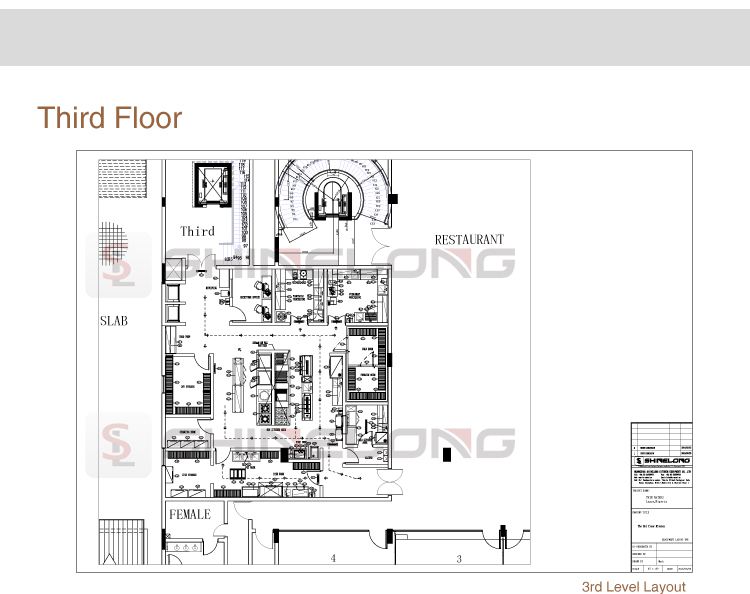
طرحهای مدرن کف آشپزخانه رستوران اغلب الگویی از طرح جزیرهای . جزیره مرکزی به منطقه اصلی کار تبدیل میشود، در حالی که مناطق پختوپز و شستوشوی ظروف در دو طرف مقابل قرار میگیرند. تجهیزات سردکننده معمولاً در نزدیکی سینک یا میز آمادهسازی قرار میگیرند تا فرآیند آمادهسازی مواد غذایی روانتر شود. همچنین باید سینک در نزدیکی خط پخت قرار داشته باشد تا انتقال روان از مرحله آمادهسازی به پخت فراهم شود. چیدمان آشپزخانه تجاری که جریان کار روزانه کارکنان شما را رعایت کند، همواره کارآمدتر و ایمنتر عمل خواهد کرد.
نحوه برنامهریزی مناطق مختلف در آشپزخانه رستوران
یک آشپزخانه تجاری کامل از چندین منطقه کاری به هم پیوسته تشکیل شده است. بررسی دقیق هر یک به راهاندازی روان عملیات در تمام فضا کمک میکند.
منطقه آمادهسازی مواد غذایی خام
این منطقه تمام موادی را که از انبار یا اتاقهای سرد خارج میشوند قبل از انتقال به خط داغ پردازش میکند. این فضا باید شامل سینک، میز آمادهسازی و جداکردن مناسب از منطقه تزئین غذا باشد تا از آلودگی متقابل جلوگیری شود.
ناحیه پخت و پز
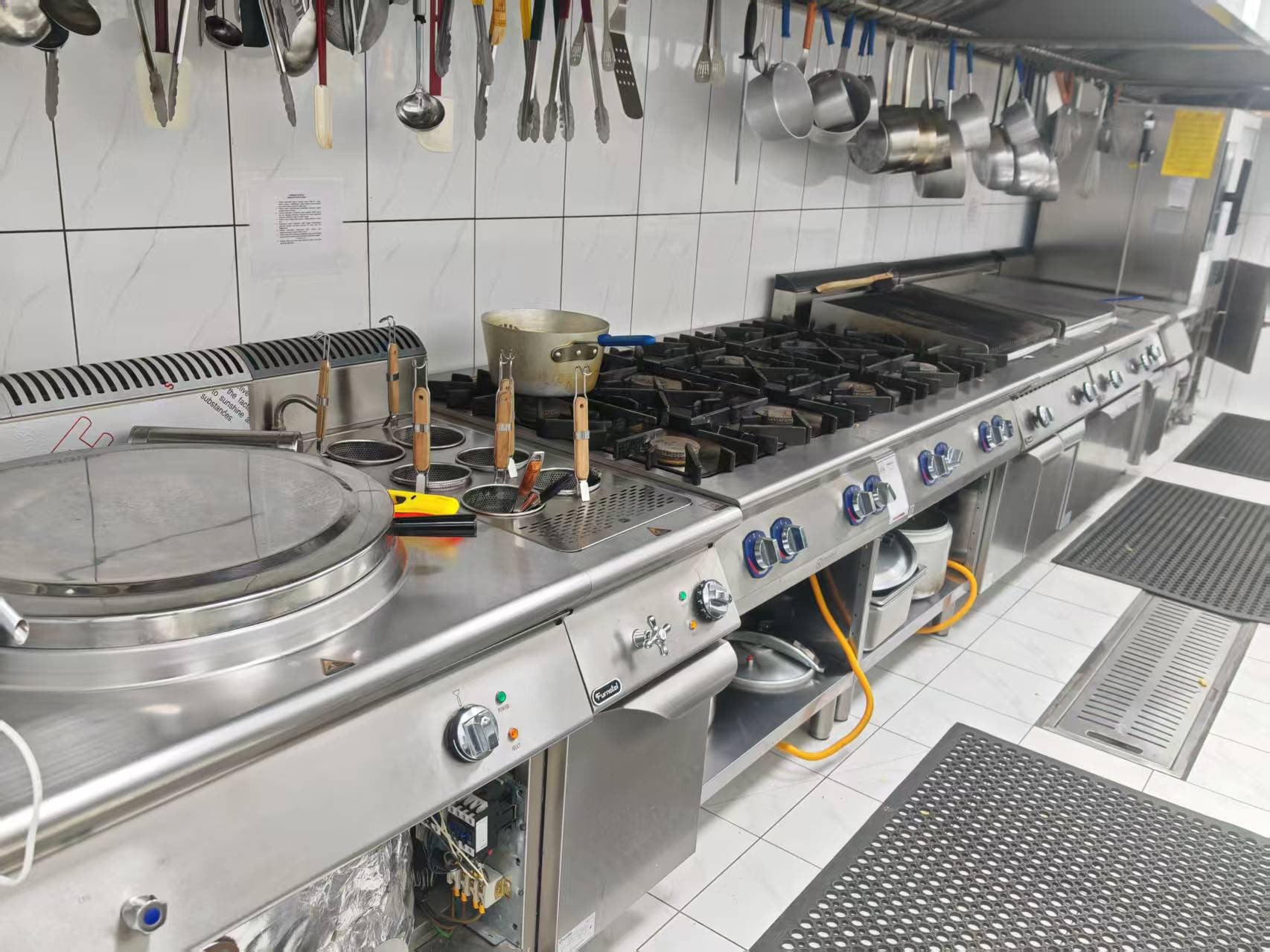
این قلب آشپزخانه شماست. تجهیزات کلیدی شامل اجاقهای پختوپز، اجاقهای ترکیبی، سرخکنها، سالاماندرها، گریلها و سیستم هود تنفسی آشپزخانه تجاری میشود. آشپزی فرانسوی بر حرارت پایدار تأکید دارد، در حالی که آشپزخانههای آسیایی بهطور گسترده به مشعلهای با BTU بالا برای سرخ کردن سریع متکی هستند. تهویه باید بر اساس خروجی حرارتی، بار چربی و الزامات ایمنی حریق طراحی شود.
ناحیه غذای سرد / تزئین غذا
این ناحیه برای سالادها، پیشغذاهای سرد و کارهای تزئین غذا استفاده میشود. معمولاً در نزدیکی پنجره انتقال قرار دارد. درهای بازشوی مقاوم در برابر آتش توصیه میشوند تا ایمنی تأمین شود.
ناحیه شستوشوی ظروف
این ناحیه باید از ناحیه تزئین جدا شود تا از آلودگی جلوگیری شود. ضایعات غذایی باید بهدرستی دستهبندی شوند و ظروف باید مستقیماً وارد بخش شستوشو شوند. انتخاب ماشین ظرفشویی تجاری مناسب برای بهبود کارایی تمیزکاری ضروری است .نوع درب ماشین ظرفشویی برای بیشتر رستورانهای تمامعرضه، راهحلی ایدهآل است. رستورانهای بزرگتر با بیش از ۲۶۰ صندلی اغلب با ماشین ظرفشویی نواری تجهیز شده و برای این منظور فضای مستقلی را اختصاص میدهند.
منطقه ذخیره سازی
هر رستوران به اندازه کافی فضایی برای محصولات خشک، محصولات چیلد و منجمد نیاز دارد. میزهای کار معمولاً در کنار قفسهها قرار میگیرند و یخچال برای سهولت در دستهبندی. برای عملیات بزرگتر مانند یک آشخور، فریزرها یا اتاقهای سرد قابل ورود، ذخیرهسازی مقرونبهصرفهتری فراهم میکنند.
شانه بار
کافهها و مفاهیم متمرکز بر نوشیدنی ممکن است وسایل پختوپز کوچکی مانند مایکروویو، اجاقهای الکتریکی یا دستگاه ساندویچساز را در میزبار قرار دهند. بارها میتوانند مستقل باشند یا با آشپزخانه ادغام شوند. تجهیزات کلیدی شامل دستگاه قهوهساز اسپرسو و یخچالهای نمایشی است که نه تنها نیازهای عملکردی را برآورده میکنند، بلکه تازگی و زیبایی ظاهری را نیز برجسته میکنند.