After-Sales:
 EN
EN
 AR
AR
 HR
HR
 NL
NL
 FI
FI
 FR
FR
 DE
DE
 EL
EL
 HI
HI
 IT
IT
 PT
PT
 RO
RO
 RU
RU
 ES
ES
 TL
TL
 ID
ID
 SL
SL
 VI
VI
 ET
ET
 MT
MT
 TH
TH
 FA
FA
 AF
AF
 MS
MS
 IS
IS
 MK
MK
 HY
HY
 AZ
AZ
 KA
KA
 UR
UR
 BN
BN
 BS
BS
 KM
KM
 LO
LO
 LA
LA
 MN
MN
 NE
NE
 MY
MY
 UZ
UZ
 KU
KU


News
How to Choose the Best Commercial Pizza Oven for Your Restaurant: Type, Service Style, and Key Considerations
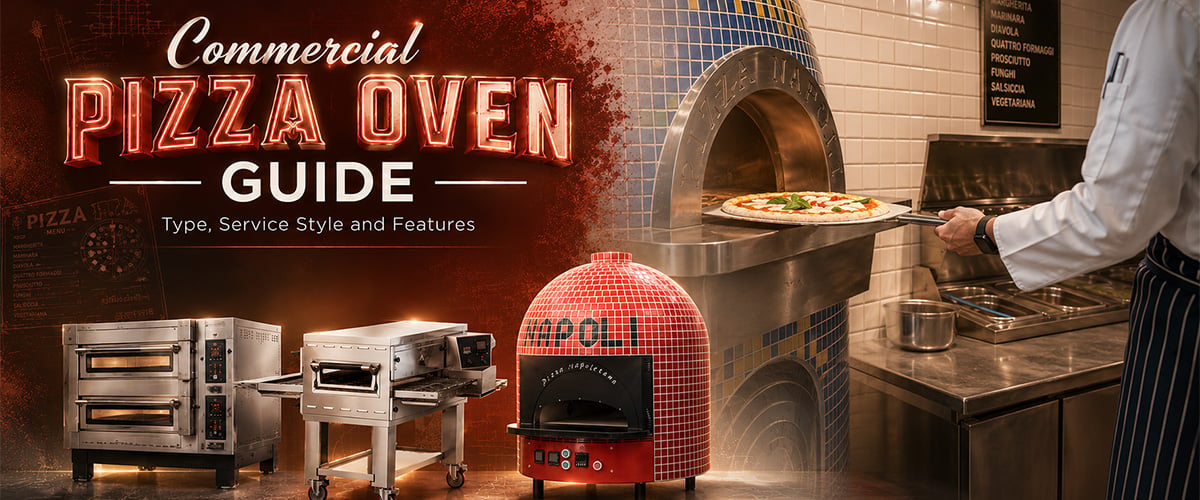
Choosing the right commercial pizza oven for a restaurant depends on three critical pillars: fuel type, kitchen space, and service style. Together, these factors dictate your kitchen’s efficiency, the quality of your pizza, and your long-term operating costs. There is no 'one-size-fits-all' oven; finding the right one requires a careful balance. When you get it right, the oven becomes your most productive asset; get it wrong, and it becomes a daily operational nightmare.
This guide breaks down all three from gas vs electric vs wood-fired, to deck vs conveyor vs Neapolitan ovens, mapped against quick service, full service, and pizzeria operations with practical guidance on size, daily output, energy use, ventilation, and cost.
What Type of Commercial Pizza Oven Does a Restaurant Actually Need?
The demands of different foodservice operations vary significantly. A quick service franchise needs consistent output and stable temperature control across every shift. An artisan pizzeria needs an oven that delivers traditional flavour and the kind of crust texture that justifies a premium price point. Both operators are looking for the "best commercial pizza oven", but those are two entirely different machines.
Three core dimensions help operators identify the right unit:
- Fuel type (gas, electric, or wood-fired)
- Oven structure (deck, conveyor, or Neapolitan)
- Service volume (how many pizzas per hour need to come out consistently).
Each decision narrows the options meaningfully, and the sections below work through all three.
Gas, Electric, or Wood-Fired, Which Fuel Type Matches Your Restaurant?
Fuel type is the first filter, and it often comes down to kitchen infrastructure as much as preference.
- Gas is the dominant choice in most commercial kitchens. It heats fast, recovers quickly between bakes, and keeps running costs manageable even at high output. The trade-off is that a gas line connection and professional installation are non-negotiable.
- Electric ovens have improved significantly in recent years. Temperature precision is excellent, placement is flexible, and there's no need for gas infrastructure, which matters a lot in urban locations or leased spaces with fixed fit-outs. Energy costs run higher, and large-capacity electric units may require an electrical panel upgrade.
- Brick and Wood-fired ovens are the choice when authenticity is central to the brand. The flavour profile is distinct, the visual theatre in front of the dining area is a genuine selling point, and no other oven type replicates it. But the operational overhead is real: longer preheat times, strict ventilation requirements, and a higher skill demand on the chef crew.
| Fuel Type | Pros | Cons | Preheat Time | Best For |
| Gas | Fast preheat, low running cost, stable heat output | Needs gas line connection, professional installation required | 15–20 min | Full-service restaurants, takeaways |
| Electric | Precise temperature control, flexible placement, no gas line needed | Higher electricity cost, large units may need power upgrade | 20–30 min | Small restaurants, cafes, urban kitchens, ghost kitchens |
| Wood-Fired | Unique authentic flavour, strong visual appeal, brand differentiator | Complex maintenance, strictest ventilation requirements, high skill demand | 30–90 min | Authentic Neapolitan pizzerias, fine dining |
Gas ovens offer the best balance of speed and cost for most restaurants. Electric ovens suit smaller or urban kitchens without a gas line. Wood-fired ovens deliver authentic flavour but require the most maintenance and ventilation.
Deck Oven vs Conveyor Oven vs Neapolitan Oven: What's the Difference?
Deck ovens, with versatile functions and standard production, are the ideal option for full-service restaurants that need to handle a variety of dishes. Conveyor ovens win on speed and consistency for high-volume quick service franchises. Neapolitan ovens, as a type of brick and wood-fired oven, are purpose-built for traditional, authentic, and high-temperature pizza, and nothing else comes close for that style.
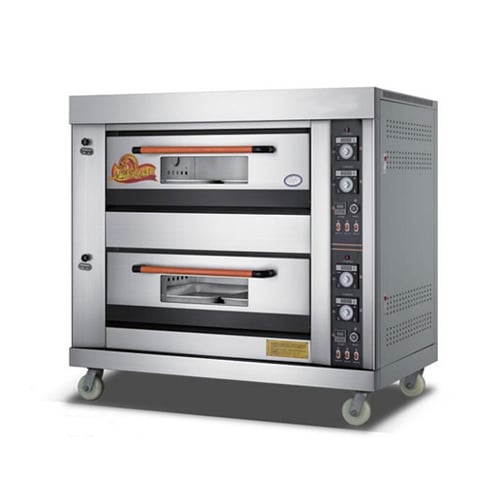
What Is a Commercial Deck Oven?
A deck oven cooks pizza on a stone or ceramic surface, radiating heat from both above and below. Most commercial deck ovens run between 300°C and 350°C, and the SHIENLGLONG Pizza Deck Oven could provide up to 450 ℃. The special multi-deck configurations allow several pizzas to bake simultaneously across separate chambers.
The result is a crust with real texture, slightly crisp on the base, with good colour and chew. Deck ovens handle a wide range of pizza styles, from New York thin-crust to pan pizzas and flatbreads, which makes them the standard choice for full-service restaurants that need flexibility.
Best for: Restaurants serving multiple pizza styles, a menu that covers diverse cuisine styles, and kitchens where quality matters as much as throughput.
What Is a Conveyor Pizza Oven?
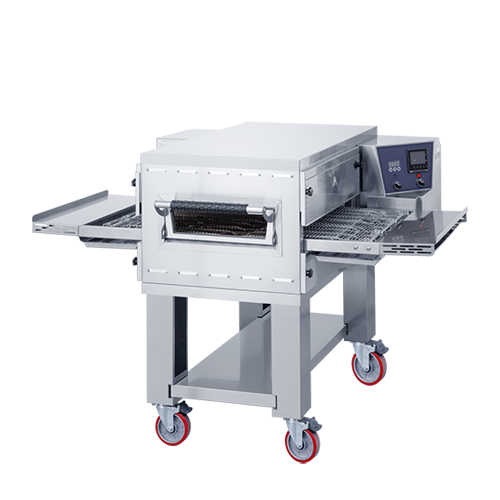
A conveyor oven moves pizzas through a heated tunnel on a continuous belt, producing consistent results without any manual intervention. Temperature and belt speed are set once, and every pizza comes out the same, which is exactly the point.
The strength is volume and reliability. A well-configured conveyor oven can produce 50–100+ pizzas per hour with minimal skill requirements at the oven itself, and that's why it becomes the optimal choice for those operations that demand fast delivery service but with minimal trained staff. The limitation is that the fixed cooking profile doesn't suit every pizza style, such as Neapolitan-style, in particular, needs higher heat and shorter times than most conveyor ovens can deliver.
Best for: Fast food chains, deli shops, takeaway shops, ghost kitchens, and any operation where consistency and throughput are the primary measures of success.
What Is a Neapolitan Pizza Oven?
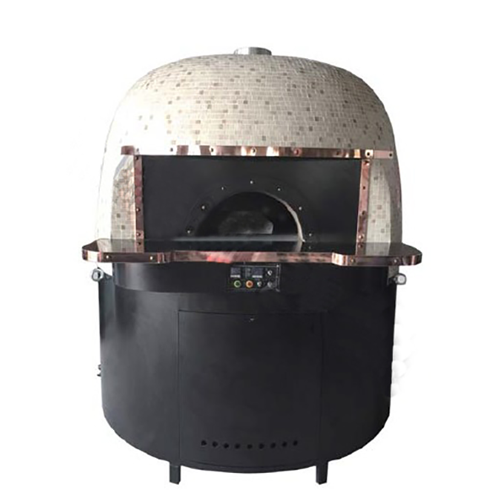
A Neapolitan oven, whether wood-fired or gas-assisted, operates at 450°C to 500°C and cooks pizza in a few minutes. The extreme heat produces the characteristic leopard-spotted crust, soft centre, and slightly charred edges that define authentic Neapolitan pizza.
No other oven type replicates this result. But the limitation is real: capacity is limited (typically one to three pizzas at a time), the learning curve is steep, and ventilation requirements are the most demanding of any pizza oven type.
Best for: Authentic Neapolitan pizzerias, artisan pizza bars, any operation where the product itself justifies the investment in skill and equipment.
| Deck Oven | Conveyor Oven | Neapolitan Oven | |
| Pizza Style | NY-Style, Grandma-Style, Sicilian-Style and most types | American/Chain-style pizza (Domino's, Pizza Hut style) and thin-crust bar-style pizzas. | Authentic Neapolitan-style pizza or Artisan style |
| Max Temp | 300-450℃ | 200–400°C | 400–500°C |
| Capacity | Medium–High (totally depends on how many stacks of your deck oven) |
Very High | Low–Medium (typically one to three pizzas at a time ) |
| Skill Required | Medium | Low | High |
Which Commercial Pizza Oven Fits Your Restaurant Type?
Quick-service restaurants need conveyor ovens for speed and consistency. Full-service restaurants benefit most from deck ovens for quality and versatility. Pizzerias, especially authentic ones, should invest in a Neapolitan or high-end deck oven.
Quick Service Restaurants: Speed and Consistency First
For fast food chains like Pizza Hut and Domino's, which focus on delivering consistent product quality in roughly 15 minutes, the operational priority is clear: maximum output, minimum variation, standardized process, and low dependency on individual skill. The same applies to takeaway shops, ghost kitchens, and food trucks.
- Fast food chains: Conveyor ovens standardize the product across locations and shifts.
- Takeaway shops: High belt-speed conveyor ovens handle peak-hour demand without bottlenecks.
- Ghost kitchens: Electric conveyor ovens are practical, no gas line required, and easy placement in shared spaces.
- Food trucks: Compact countertop deck ovens or small conveyor units balance output with space constraints.
A conveyor oven is the default recommendation across this category. It removes human variability from the baking process, which is an advantage, not a compromise, in high-volume environments.
Full Service Restaurants: Quality and Versatility Matter
Casual dining, fine dining, hotel restaurants, and food courts need an oven that handles more than one pizza style, adapts to a changing menu, and delivers consistent quality across an entire service.
- Casual dining: Gas deck ovens balance quality and throughput well, with multi-stack models scaling capacity.
- Fine dining: Temperature-controllable deck ovens allow for precise, repeatable results on premium ingredients.
- Hotel restaurants: Multi-deck gas ovens handle both banquet volumes and à la carte service from the same unit.
- Electric deck ovens offer flexible placement and work alongside other equipment without gas infrastructure constraints.
A gas or electric deck oven covers most scenarios effectively, as it supports menu versatility, produces quality output, and scales reasonably well with demand.
Pizzerias: Authenticity Is the Real Differentiator
A pizzeria's oven is not just equipment; it is part of the product. Customers choosing a dedicated pizza restaurant come with expectations around craft, chef skill, and authentic culinary tradition that casual dining cannot replicate. The oven selection either reinforces or undermines that entirely.
- Traditional Neapolitan pizzerias: A wood-fired or gas Neapolitan oven is the only credible choice. The crust characteristics it produces are not replicable by other oven types.
- Artisan pizza bars: A high-end deck oven or gas Neapolitan oven, depending on the style being served. The oven should be visible if possible; it's part of the dining experience.
For traditional Neapolitan pizzerias, a wood-fired or gas Neapolitan oven is the only credible choice. For NY-style pizza shops and artisan pizza bars, a quality deck oven delivers the crust texture and consistency the style demands.
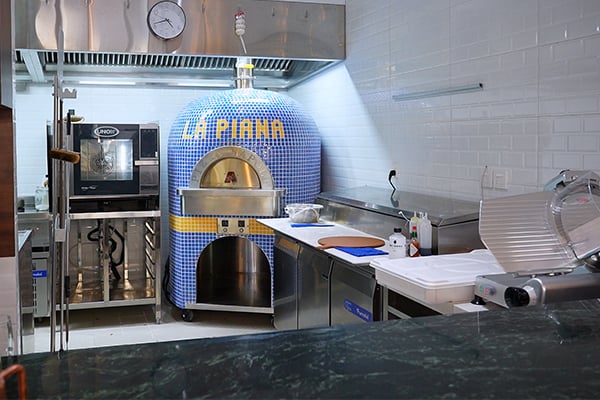
Commercial Pizza Oven Size, Energy Use, and Ventilation Requirements
Most restaurants need an internal chamber dimension of 610×610×150cm for a deck oven to handle 4 pieces of standard pizza at once. Energy consumption ranges from 2kW for small electric units to 30kW+ for large conveyor ovens. Wood-fired and gas ovens require Type I commercial hood ventilation in most regions.
How to Choose the Right Size
Size selection starts with output requirements. A standard pizza is 12 inches (8 slices), and a single-layer oven handles 4 of those at once. At 12–15 minutes per bake for a regular crust, that translates to roughly 16–20 pizzas per hour. A double-deck oven doubles that capacity, and a large conveyor can exceed 80–100 per hour.
Physical footprint is the other important consideration, particularly for countertop or compact units in small restaurant kitchens. Always confirm clearance requirements on all sides before purchasing, as most commercial ovens require a minimum 15–30cm gap from adjacent surfaces and walls.
Energy Consumption: What Are the Real Running Costs?
Energy cost is an ongoing operational expense that compounds over years of use. The differences between oven types are significant.
- Small electric deck ovens: 2–6kW, suited to low-volume operations.
- Mid-size gas deck ovens: 12,000–20,000 BTU per deck, efficient at high throughput.
- Large conveyor ovens: 20–30kW+ electric, or 50,000–100,000 BTU gas; the gap between gas and electric running cost is most pronounced here.
- Neapolitan ovens: Wood consumption varies by unit and usage; gas-assisted Neapolitan ovens typically run 20,000–40,000 BTU.
In markets where electricity costs significantly more than gas per unit of energy output, gas deck ovens tend to offer better long-term economics at medium to high volume. Electric ovens narrow the gap in smaller operations where precise temperature control reduces energy waste.
Ventilation Requirements by Oven Type
Ventilation is essential, and it's one of the most commonly underestimated costs in a pizza kitchen setup. The requirements vary significantly by fuel type.
- Wood-fired ovens: Require a Type I commercial hood plus a dedicated chimney or flue system. Many jurisdictions require an additional emissions permit for wood-burning installations. This is the most demanding and most expensive ventilation setup.
- Gas ovens: Require a Type I commercial hood with grease filtration. Standard commercial ventilation systems typically cover this, though the flow rate must match the oven's BTU output.
- Electric ovens: Generally require only a Type II hood (heat and moisture, no grease filtration required). This significantly reduces installation cost and simplifies compliance.
Important: Ventilation standards vary by country, location, and municipality. Always consult local building codes and fire safety regulations before finalizing an oven selection, particularly for wood-fired installations, which face the strictest scrutiny in most markets.
SHINELONG Pizzeria Solution: Built for Every Restaurant Type
Setting up a fully functional pizza restaurant isn't limited to selecting a commercial pizza oven. It is about designing an efficient commercial kitchen layout that ensures the entire service line, from dough preparation through to delivery, runs without friction. That means matching each kitchen zone with the right equipment, professional installation that works from day one, and ongoing maintenance support that keeps the whole operation performing at its best.
1. Full Line of Commercial Pizza Ovens
No matter the concept or service style, SHINELONG pizza oven carries the full range, gas deck ovens, commercial conveyor pizza ovens, brick and wood-fired ovens, and modular units that combine pizza baking with dough proofing in a single machine.
| Oven Type | Model | Fuel Type | Max.Temperature | Capacity | Best For |
| Gas Deck Oven | KPSR-401 | Gas | 500℃ | 4×13"(Ø330mm) Pizza | Full-service restaurants, pizzerias |
| Electric Deck Oven | KPS-401A | Electric | 500℃ | 4*12"(Ø300mm) Pizza | Ghost kitchens, urban restaurants, Pub |
| Conveyor Pizza Oven | K1915-2 | Electric | 300℃ | 610mm | QSR, takeaway, high-volume chains |
| Wood-Fired | K1712-1 | Wood / Gas, Electric-assisted | 500℃ | Ø300m*1pc | Neapolitan pizzerias, fine dining |
2. One-Stop Commercial Kitchen Solution
SHINELONG supports operators across the full project lifecycle, from initial kitchen layout consultation and equipment selection, through to professional installation, staff training, and after-sales maintenance (one-year warranty). Whether building a new pizza concept from the ground up or upgrading an existing kitchen, every solution is designed around the specific menu, daily output, and spatial requirements of the operation.
3. Real Restaurant Installations
- Restaurant Type: Italian-style pizzeria
- Location: China
- Equipment: A full set of commercial kitchen equipment
- Challenge Solved: Set up the entire commercial kitchen
4. Request a Free Consultation
Every pizza kitchen is different. Tell us about your concept, expected daily output, and available kitchen space, and SHINELONG will recommend the right equipment configuration and design functional layout for your operation. Contact SHINELONG Right Now
FAQs
-
What temperature should a commercial pizza oven run at?
Most commercial pizza ovens operate between 300°C and 450°C. Neapolitan ovens run significantly hotter at 400°C–500°C, which is what produces the characteristic 60–90 second bake and leopard-spotted crust.
-
How often should a commercial pizza oven be cleaned?
Deck surfaces should be brushed clean after each service. Full cleaning of the interior, door seals, and ventilation components should happen weekly. Gas burners and electrical elements need monthly inspection to maintain efficiency.
-
What maintenance does a commercial pizza oven need?
Routine maintenance includes regular deck brushing, burner inspection for gas units, element checks for electric units, and door seal replacement as needed. Annual professional servicing is recommended for all commercial pizza ovens to ensure safety compliance and optimal performance.
- Is a countertop pizza oven suitable for a restaurant?
Countertop pizza ovens are suitable for low-volume operations or some chill bar, ghost kitchens with limited output, food trucks, or as a secondary oven for a specific menu item. For a full restaurant service, a floor-standing deck or conveyor oven is the more practical investment. -
How long does a commercial pizza oven take to preheat?
Gas deck ovens preheat in 15–20 minutes. Electric ovens typically take 20–30 minutes. Wood-fired Neapolitan ovens require half an hour or an hour to reach optimal baking temperature and maintain thermal stability.