পরবর্তী বিক্রয়:
 EN
EN
 AR
AR
 HR
HR
 NL
NL
 FI
FI
 FR
FR
 DE
DE
 EL
EL
 HI
HI
 IT
IT
 PT
PT
 RO
RO
 RU
RU
 ES
ES
 TL
TL
 ID
ID
 SL
SL
 VI
VI
 ET
ET
 MT
MT
 TH
TH
 FA
FA
 AF
AF
 MS
MS
 IS
IS
 MK
MK
 HY
HY
 AZ
AZ
 KA
KA
 UR
UR
 BN
BN
 BS
BS
 KM
KM
 LO
LO
 LA
LA
 MN
MN
 NE
NE
 MY
MY
 UZ
UZ
 KU
KU


সংবাদ
কীভাবে একটি হাসপাতালের ক্যাফেটেরিয়ার জন্য রান্নাঘরের সরঞ্জাম সরবরাহ পরিচালনা করবেন?
হাসপাতালের খাদ্য সেবা প্রয়োজনীয়তা বোঝা
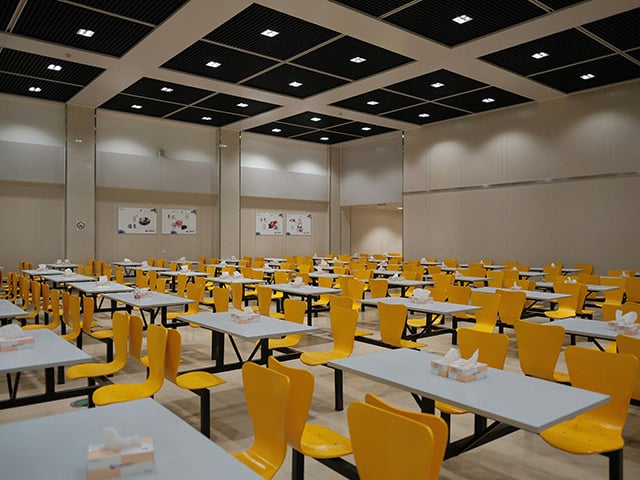
একটি হাসপাতালের ক্যাফেটেরিয়ায় রান্নাঘরের সরঞ্জাম সরবরাহ পরিচালনা করা একটি স্ট্যান্ডার্ড বাণিজ্যিক রান্নাঘর পরিচালনা করার থেকে মৌলিকভাবে ভিন্ন। হাসপাতালের খাদ্য সেবা অবশ্যই রোগী, কর্মচারী ও পরিদর্শকদের পুষ্টিগত প্রয়োজন পূরণ করতে হবে, একইসাথে কঠোর স্বাস্থ্য ও নিরাপত্তা বিধিমালা মেনে চলতে হবে। সরঞ্জাম সরবরাহ শৃঙ্খলটি অবশ্যই চিকিৎসামূলক ডায়েট, টেক্সচার-পরিবর্তিত আহার এবং অ্যালার্জেন-নিয়ন্ত্রিত খাদ্য প্রস্তুতির জন্য উপযুক্ত মেনুগুলিকে সমর্থন করবে। একটি হাসপাতালের ক্যাফেটেরিয়া সাধারণত সকাল থেকে রাত পর্যন্ত, কখনও কখনও ২৪ ঘণ্টা ধরে পরিচালিত হয়, যার অর্থ রান্নাঘরের সরঞ্জামগুলি অবশ্যই অবিরাম ব্যবহারের অধীনে টিকে থাকার জন্য দৃঢ়তা ও টেকসইতা বিবেচনা করে নির্বাচন করতে হবে। স্টেইনলেস স্টিল নির্মাণ হল স্ট্যান্ডার্ড উপাদান পছন্দ, কারণ এটি ক্ষয়রোধী, প্রায়শই স্যানিটাইজেশনের সম্মুখীন হওয়ার পরেও টিকে থাকে এবং HACCP অনুমোদনের প্রয়োজনীয়তা পূরণ করে। স্বাস্থ্যসেবা পরিবেশে রান্নাঘরের সরঞ্জাম সরবরাহ পরিকল্পনা করার সময়, ক্রয় ব্যবস্থাপকদের ব্যাকটেরিয়া বৃদ্ধি রোধ করতে এবং প্রতিটি আহার সেবার মধ্যে গভীরভাবে পরিষ্কার করার জন্য মসৃণ, অপরিবাহী পৃষ্ঠ সহ যন্ত্রগুলিকে অগ্রাধিকার দেওয়া উচিত।
হাসপাতালের রান্নাঘরের জন্য মূল সরঞ্জাম বিভাগ
একটি ভালভাবে সজ্জিত হাসপাতালের ক্যাফেটেরিয়া কয়েকটি রান্নাঘরের সরঞ্জাম সরবরাহের শ্রেণীর উপর নির্ভরশীল, যেগুলো একত্রে কাজ করে। রান্না সরঞ্জাম এই সমস্ত সরঞ্জামের মধ্যে মূল ভিত্তি গঠন করে: বাণিজ্যিক রেঞ্জ, কনভেকশন ওভেন, ষ্টিমার এবং টিল্টিং কেটলগুলি উচ্চ-পরিমাণে খাবার তৈরি করতে সক্ষম হয় এবং পুষ্টিগুণ সংরক্ষণ করে। শীতলীকরণ সরঞ্জামও ততটাই গুরুত্বপূর্ণ, যেখানে ওয়াক-ইন কুলার, রিচ-ইন রেফ্রিজারেটর এবং ব্লাস্ট চিলার প্রয়োজন হয় যাতে উপকরণ ও প্রস্তুত খাবারগুলির শীতল শৃঙ্খলের অখণ্ডতা বজায় থাকে, যার তাপমাত্রা ০°সে. থেকে ৫°সে. এর মধ্যে থাকে। খাদ্য প্রস্তুতির সরঞ্জাম—যেমন সবজি কাটার যন্ত্র, মাংস কাটার যন্ত্র এবং প্ল্যানেটারি মিক্সার—দিনে শতাধিক খাবার প্রস্তুত করার সময় দক্ষতা বৃদ্ধি করে। ডিশওয়াশিং ও স্টেরিলাইজেশন সিস্টেম, যা সাধারণত কনভেয়ার-টাইপ বা ফ্লাইট-টাইপ ইউনিট, হাসপাতালের স্যানিটেশন মানদণ্ড পূরণের জন্য চূড়ান্ত ধোয়া প্রক্রিয়ায় ন্যূনতম ৮২°সে. তাপমাত্রা অর্জন করতে হবে। প্রতিটি সরঞ্জামকে একটি সমন্বিত কাজের প্রবাহে একীভূত করতে হবে, যেখানে কাঁচামালগুলি গ্রহণ থেকে সংরক্ষণ, প্রস্তুতি, রান্না, ধরে রাখা, পরিবেশন এবং শেষ পর্যায়ে বর্তমান সরঞ্জাম পরিষ্কার করার পর্যন্ত কোনো ক্রস-দূষণ ছাড়াই স্থানান্তরিত হয়।
সরবরাহ শৃঙ্খল পরিকল্পনা এবং ইনভেন্টরি নিয়ন্ত্রণ
একটি হাসপাতালের পরিবেশে রান্নাঘরের সরঞ্জাম সরবরাহ কার্যকরভাবে ব্যবস্থাপনা করতে হলে পদ্ধতিগত ইনভেন্টরি নিয়ন্ত্রণ এবং প্রতিরোধমূলক রক্ষণাবেক্ষণের সময়সূচী প্রয়োজন। হাসপাতালের ক্রয় দলগুলি ডিজিটাল সম্পদ রেজিস্টার বজায় রাখা উচিত, যা প্রতিটি সরঞ্জাম ইউনিটকে মডেল, সিরিয়াল নম্বর, ইনস্টলেশন তারিখ, ওয়ারেন্টি অবস্থা এবং সার্ভিস ইতিহাস অনুযায়ী ট্র্যাক করে। এই রেজিস্টারটি প্রতিরোধমূলক রক্ষণাবেক্ষণ কর্মসূচির ভিত্তি হয়ে ওঠে, যা অপ্রত্যাশিত ডাউনটাইম কমায়—যা বিশেষভাবে গুরুত্বপূর্ণ হয় স্বাস্থ্যসেবায়, যেখানে আহার সেবা বিঘ্নিত হলে রোগীদের সুস্থতা প্রভাবিত হতে পারে। রেফ্রিজারেটরের দরজার জন্য গ্যাস্কেট, ওভেনের জন্য হিটিং এলিমেন্ট এবং ডিশওয়াশারের জন্য পাম্প সিল সহ গুরুত্বপূর্ণ সরঞ্জামের জন্য স্পেয়ার পার্টস স্টকে রাখা উচিত যাতে একই দিনে মেরামত সম্ভব হয়। রান্নাঘরের সরঞ্জাম সরবরাহকারী নির্বাচন করার সময় হাসপাতালগুলি যাচাই করা উচিত যে সরবরাহকারী পর-বিক্রয় টেকনিক্যাল সহায়তা, সহজলভ্য প্রতিস্থাপন পার্টস এবং নথিভুক্ত সার্ভিস প্রক্রিয়া প্রদান করে। স্বাস্থ্যসেবা খাদ্য পরিষেবা ক্ষেত্রে অভিজ্ঞতা সম্পন্ন সরবরাহকারীরা নিয়ন্ত্রক নথিপত্রের প্রয়োজনীয়তা বুঝে এবং স্বাস্থ্য বিভাগের পরিদর্শনের জন্য প্রয়োজনীয় সরঞ্জাম স্পেসিফিকেশন শীট প্রদান করতে পারে।
এইচএসিসিপি অনুযায়ী সম্মতি এবং সরঞ্জাম নির্বাচন
হাসপাতালের রান্নাঘরের সরঞ্জাম ও সরবরাহ ব্যবস্থা অবশ্যই একটি কার্যকর HACCP (হ্যাজার্ড অ্যানালিসিস অ্যান্ড ক্রিটিক্যাল কন্ট্রোল পয়েন্টস) পরিকল্পনাকে সমর্থন করতে হবে। প্রতিটি সরঞ্জাম নির্বাচনের সিদ্ধান্ত অবশ্যই এর সমালোচনামূলক নিয়ন্ত্রণ বিন্দুগুলি বজায় রাখার ক্ষমতার উপর ভিত্তি করে মূল্যায়ন করা হবে। শীতাতপ নিয়ন্ত্রণ যন্ত্রগুলিতে ডিজিটাল তাপমাত্রা পর্যবেক্ষণ ব্যবস্থা এবং নিরাপদ সীমা অতিক্রম করলে শব্দযুক্ত সতর্কতা প্রদান করার ব্যবস্থা থাকতে হবে। রান্না সরঞ্জামে প্রোব থার্মোমিটার অন্তর্ভুক্ত থাকতে হবে, যাতে খাদ্য ন্যূনতম অভ্যন্তরীণ তাপমাত্রা অর্জন করেছে কিনা তা যাচাই করা যায়: পোলট্রির জন্য ৭৪°সে, গ্রাউন্ড মিটের জন্য ৬৮°সে এবং সম্পূর্ণ কাটা মাংসের জন্য ৬৩°সে। গরম ধরে রাখার ক্যাবিনেটগুলি খাদ্যকে ৬০°সে-এর সমান বা তার চেয়ে বেশি তাপমাত্রায় রাখতে হবে, অন্যদিকে শীতল ধরে রাখার যন্ত্রগুলি ৫°সে-এর সমান বা তার চেয়ে কম তাপমাত্রায় থাকতে হবে। রঙ-কোডযুক্ত কাটিং বোর্ড এবং রান্নার সরঞ্জামের ব্যবস্থা কাঁচা ও প্রস্তুত খাদ্য খাওয়ার অঞ্চলের মধ্যে ক্রস-কন্টামিনেশন প্রতিরোধ করতে সাহায্য করে। চাকাযুক্ত এবং মডুলার ডিজাইনের সরঞ্জামগুলি সংক্রমণ নিয়ন্ত্রণের প্রোটোকল অনুযায়ী অঞ্চল পুনর্বিন্যাসের প্রয়োজন হলে রান্নাঘরের নমনীয় পুনর্বিন্যাসের অনুমতি দেয়। এই বৈশিষ্ট্যগুলি ঐচ্ছিক অতিরিক্ত সুবিধা নয়, বরং স্বাস্থ্যসেবা খাদ্য পরিষেবা অনুপালনের জন্য অপরিহার্য প্রয়োজন।
আবেদনের উদাহরণ: হাসপাতালের রান্নাঘরের সরঞ্জাম একীভূতকরণ
একটি ব্যবহারিক উদাহরণ দেখায় কীভাবে একটি প্রকৃত হাসপাতাল পরিবেশে রান্নাঘরের সরঞ্জাম সরবরাহ ব্যবস্থাপনা করা হয়। মিয়ানমারের গ্র্যান্ড হানথা ইন্টারন্যাশনাল হাসপাতাল প্রকল্পটি বিবেচনা করুন, যেখানে রান্নাঘর ডিজাইন দল রোগীদের জন্য খাবার প্রস্তুতির জন্য কম্বি ওভেন ও ব্র্যাট প্যানসহ রান্না সুইট, উত্তপ্ত ও শীতলীকৃত মডিউলসহ একটি বিশেষ ট্রে লাইন, ২৪-ঘণ্টা অবিরাম কার্যক্ষমতা নিশ্চিত করার জন্য রিডান্ড্যান্ট কম্প্রেসর সিস্টেমযুক্ত ওয়াক-ইন কোল্ড রুম এবং উচ্চ-তাপমাত্রায় স্যানিটাইজিং চক্রসহ একটি কেন্দ্রীয়কৃত ডিশওয়াশিং সিস্টেম—এসব সহ একটি সম্পূর্ণ সরঞ্জাম প্যাকেজ নির্দিষ্ট করেছিল। সরঞ্জামগুলি একটি সরবরাহকারী থেকে সংগ্রহ করা হয়েছিল যিনি ২ডি ফ্লোর প্ল্যান ডিজাইন, বৈদ্যুতিক ও প্লাম্বিং প্রয়োজনীয়তার জন্য এমইপি সমন্বয়, এবং সাইটে ইনস্টলেশন ও কমিশনিং সহ টার্নকি সমাধান প্রদান করেছিলেন। হস্তান্তরের পর, হাসপাতালের রক্ষণাবেক্ষণ দল প্রতি তিন মাস অন্তর নিরীক্ষণ, ভেন্টিলেশন হুডের জন্য প্রতি মাসে ফিল্টার পরিবর্তন এবং সমস্ত শীতল সংরক্ষণ ব্যবস্থার জন্য প্রতিদিন তাপমাত্রা লগ যাচাইকরণ—এসব অন্তর্ভুক্ত করে একটি গঠিত প্রতিরোধমূলক রক্ষণাবেক্ষণ পরিকল্পনা অনুসরণ করে। এই একীভূত পদ্ধতি প্রদর্শন করে যে, সফল হাসপাতাল রান্নাঘর ব্যবস্থাপনা হল সেবা জীবনকাল জুড়ে সঠিক সরঞ্জাম প্রথমে নির্বাচন করা এবং তা পদ্ধতিগতভাবে রক্ষণাবেক্ষণ করা উপর নির্ভর করে।
বাণিজ্যিক রান্নাঘরের সরঞ্জাম সরবরাহকারীদের সঙ্গে কাজ করা
হাসপাতালের ক্যাফেটেরিয়ার জন্য রান্নাঘরের সরঞ্জাম সরবরাহ করার সময়, সরবরাহকারী নির্বাচনের প্রক্রিয়া সরঞ্জামের চেয়েও গুরুত্বপূর্ণ। হাসপাতালগুলি স্বাস্থ্যসেবা খাদ্য পরিষেবা প্রকল্পে নথিভুক্ত অভিজ্ঞতা সম্পন্ন সরবরাহকারীদের খুঁজে বার করা উচিত। একজন যোগ্য সরবরাহকারী সরঞ্জামের বিশেষত্ব প্রস্তাব করার আগে স্থানিক সীমাবদ্ধতা, ইউটিলিটি সংযোগ এবং কাজের প্রবাহ প্রয়োজনীয়তা বোঝার জন্য সাইট সার্ভে পরিচালনা করবেন। তাঁরা সরঞ্জামের অবস্থান, পরিষ্কার অঞ্চল এবং কর্মী ও উপকরণের জন্য ট্রাফিক প্রবাহ প্যাটার্ন দেখানোর জন্য CAD ড্রয়িং এবং 3D রেন্ডারিং প্রদান করবেন। ইনস্টলেশনের পরে সমর্থন অত্যন্ত গুরুত্বপূর্ণ: সরবরাহকারীকে সমস্ত সরঞ্জাম নির্দিষ্ট পরামিতির মধ্যে কাজ করছে কিনা তা যাচাই করার জন্য কমিশনিং সেবা, সঠিক পরিচালনা এবং দৈনিক পরিষ্কার পদ্ধতি সম্পর্কে কর্মীদের প্রশিক্ষণ এবং সার্ভিস কলের জন্য সংজ্ঞায়িত প্রতিক্রিয়া সময় সহ ওয়ারেন্টি প্রোগ্রাম প্রদান করতে হবে। বহুভাষিক প্রযুক্তিগত ডকুমেন্টেশন এবং ২৪-ঘণ্টা সমর্থন চ্যানেল সহ বৈশ্বিক বাজারে কাজ করা সরবরাহকারীরা হাসপাতালের অপারেশনকে সমর্থন করতে ভালোভাবে সক্ষম, যেখানে দীর্ঘ সময়ের জন্য সরঞ্জাম বন্ধ রাখা সম্ভব নয়।
প্রশ্ন ও উত্তর
প্রশ্ন: হাসপাতালের রান্নাঘরের সরঞ্জামগুলির প্রতিরোধমূলক রক্ষণাবেক্ষণ কত ঘন ঘন করা উচিত?
উত্তর: প্রতিরোধমূলক রক্ষণাবেক্ষণের ফ্রিক uency সরঞ্জামের ধরন এবং ব্যবহারের তীব্রতা উপর নির্ভর করে। রান্নার সরঞ্জামগুলির সাধারণত ত্রৈমাসিক পরীক্ষা-নিরীক্ষা প্রয়োজন, রেফ্রিজারেশন সিস্টেমগুলির মাসিক কনডেন্সার কয়েল পরিষ্কার করা এবং ত্রৈমাসিক সম্পূর্ণ সিস্টেম পরীক্ষা করা আবশ্যিক, এবং ডিশওয়াশারগুলির সাপ্তাহিক ওয়াশ আর্ম এবং স্প্রে নজল পরীক্ষা করা উপকারী। একটি ঔপচারিক প্রতিরোধমূলক রক্ষণাবেক্ষণ সূচি নথিভুক্ত করা এবং ট্র্যাক করা উচিত, যেখানে দিনে ২৪ ঘণ্টা চালানো হয় এমন সরঞ্জামগুলির জন্য আরও ঘন ঘন সেবা প্রয়োজন।
প্রশ্ন: হাসপাতালের রান্নাঘরের শীতাতপ নিয়ন্ত্রণ সরঞ্জামে কোন বৈশিষ্ট্যটি সবচেয়ে গুরুত্বপূর্ণ?
ক: তাপমাত্রা মনিটরিং এবং সতর্কতা ব্যবস্থা সবচেয়ে গুরুত্বপূর্ণ বৈশিষ্ট্যগুলি। হাসপাতালের শীতলীকরণ ব্যবস্থায় ডিজিটাল তাপমাত্রা প্রদর্শন, অনুপালন রেকর্ডের জন্য ডেটা লগিং ক্ষমতা এবং শুনে নেওয়া যায় বা দূরবর্তী সতর্কতা ব্যবস্থা থাকতে হবে যা তাপমাত্রা নিরাপদ পরিসরের বাইরে চলে গেলে সক্রিয় হয়। উচ্চ পরিমাণে তাপ-সংবেদনশীল উপাদান সংরক্ষণের জন্য ওয়াক-ইন কুলারগুলিতে অতিরিক্ত বিশ্বস্ততা প্রদানের জন্য রেডান্ড্যান্ট কম্প্রেসার ব্যবস্থা প্রয়োজন।
প্রশ্ন: হাসপাতালের রান্নাঘরের সরঞ্জামের প্রয়োজনীয়তা রেস্টুরেন্টের রান্নাঘরের সরঞ্জামের প্রয়োজনীয়তা থেকে কীভাবে ভিন্ন?
উত্তর: হাসপাতালের রান্নাঘরগুলিতে চিকিৎসামূলক খাদ্য প্রস্তুতি, টেক্সচার পরিবর্তন সরঞ্জাম, অ্যালার্জি-নিরাপদ খাদ্য প্রস্তুতির অঞ্চল এবং ট্রে লাইন অ্যাসেম্বলি সিস্টেমের অতিরিক্ত প্রয়োজনীয়তা রয়েছে। এগুলি আরও কঠোর স্যানিটেশন মান মেনে চলতে হবে, যা প্রায়শই উচ্চ-তাপমাত্রায় ডিশওয়াশিং স্যানিটাইজেশন এবং অ্যান্টিমাইক্রোবিয়াল পৃষ্ঠের প্রয়োজন হয়। সরঞ্জামের কাজের চক্র সাধারণত উচ্চতর হয়, কারণ অনেক হাসপাতালের রান্নাঘর রেস্টুরেন্টের তুলনায় দীর্ঘ সময় পরিচালিত হয়।