Post-Venditio:
 EN
 AR
 HR
 NL
 FI
 FR
 DE
 EL
 HI
 IT
 PT
 RO
 RU
 ES
 TL
 ID
 SL
 VI
 ET
 MT
 TH
 FA
 AF
 MS
 IS
 MK
 HY
 AZ
 KA
 UR
 BN
 BS
 KM
 LO
 LA
 MN
 NE
 MY
 UZ
 KU


NUNTIIS
Quomodo Fornus Commercialis Cucinam Tuam Transformare Potest?
Appliamentum Circa Quod Cucina Ordinatur
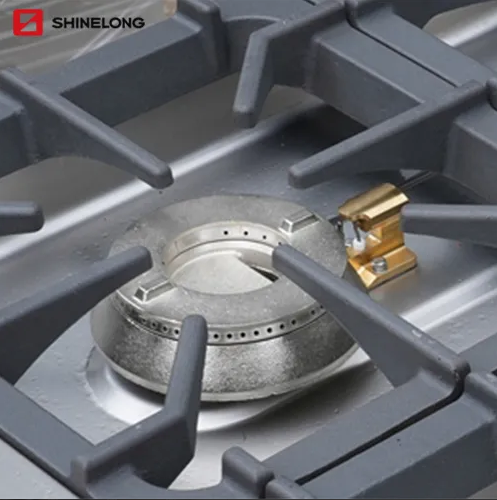
Afornus commercialis est appliamentum circo quod cucina ordinatur, quia fere omnis alia statio aut ei alimet aut ab eo accipit. Ergo electio fornus commercialis est primum decissio de ordine operis, non de pecunia: numerus ignium, capacitas forni, et positio unitatis respectu passus determinant quot cibos hora linea vere producere possit. Fornus gasogenus calorem praebet statim visibilem quem coquus ex flamma legere potest, quare adhuc praefertur gas ad altam torrificationem et opus wok. A fornus robustus adds a thicker plate, a reinforced frame, and burner components built for continuous service rather than domestic intermittency. In most production kitchens the commercial range is the largest single heat load in the room, so its specification also fixes the extraction requirement for the whole space.
Configurations and What They Suit
Range configurations differ by what sits on top and underneath. A standard open burner range offers a flat grate over independent burners and suits general pan work, sauces, and stock. A area coquendi commercialis with a griddle section integrates flat plate cooking into the same footprint, useful where the menu needs both searing and pan work in one station. A range oven conjugat un fornus supra cum un camera coquendi infra, recuperans capacitatem forni sine occupatione additae superficiei. Modellos de range robusti addunt potestatem superiorem per positionem, fornum profundius, et unum raium anteriorem qui sustinet vas plenum trahendum trans eum, quod est importante ubi unitas operatur quattuordecim horas. Ubi opus wok dominat, unum range wok speciale cum annulis recessis substituit unam sectionem potius quam addens apparatum separatim. Unum range gas manet norma ubi flamma est instrumentum coquendi, sed electio configurationis est quaestio menu, et commercialis range qui convenit brasserie raro est is qui coquinae convivialis indiget.
Potentia Brulorum, Materiales, et Vita Servitii
Outputus igniferi et materia craticulae determinant quomodo fornax commercialis se gerat anno quinto. Outputus per igniferum declarandus est, et summa cum cibario comparanda, non cum maximo numero qui habetur, quia fornax commercialis nimis magna onus caloris augere potest quod extrahendum est. Craticulae ex ferro ductili calorem retinent et gravia ollaria sustinere possunt, dum craticulae ex aere presso deformantur et tandem cadunt. Plata et structura per calibrem et gradum declarandae sunt, cum aere inoxidabili 304 in parte anteriore et structura saldata quae non flexibilis est cum olla plena per eam trahitur. In fornice gasifero capsula igniferi, injector et dispositivum contra defectum flammae sunt partes quae fallunt; ideo aditus ad purgationem et localis advenientia horum partium tam magni momenti sunt quam outputus principalis. Fornax coquendi commercialis quae non potest cotidie dissolvi et purgari suam efficaciam amittet multo ante quam frangatur, et camera fornicis quae difficulter purgatur simpliciter desinet uti.
Utilitates, Ventilatio et Suppressio Ignis
A commercial range drives the utility design of the whole kitchen. Every gas range must match the rated pressure and gas family of the supply, since a unit jetted for one family will underperform or become unsafe on another. Ventilation must be sized from the combined load of the commercial range and everything else under the hood, with make up air balanced so the room does not run under negative pressure. A heavy duty range with six positions and a range oven can commit more heat to the room than any other single item, which is why extraction capacity should be confirmed before the model is ordered rather than after. Fire suppression must suit the fuel and the cooking type, and it should shut off gas supply when it discharges. A commercial cooking range installed into a room that cannot support its load will be derated in practice, whatever the rating plate says.
Capacity and the Utilisation Curve
Capacity in commercial use is measured in dishes per hour, not in burners. Take the busiest hour, list every dish that touches the cooktop, and record how many minutes of burner time each requires; the total against the service window reveals whether the line needs an additional section. A gas range with four burners operating at eighty percent utilisation over a two-hour service has no reserve capacity for the à la carte order arriving at the end. In a hotel banqueting kitchen, the commercial range may remain idle for long stretches and then operate at full load during an event—so the specification must reflect peak demand, not average usage. A heavy-duty range selected for peak demand and a lighter commercial cooking range selected for average demand will yield vastly different outcomes on the same night—hence, drawing the utilisation curve is worth the hour it takes.
Specifying With Evidence, Not Adjectives
Una specificatio commercialis defensibilis de intervallo indicat menum, horam culminis, familiam gas et pressionem, et capacitatem extractionis disponibilem. Roga pro output per positionem ardentis, materiam gratiae, calibrem laminæ, et volumen camere cuiuslibet fornacis in intervallo inclusæ. Roga quæ componentia sunt consumibilia et utrum capsulæ ardentium, injectores et thermostata gas in intervallo localiter reperiantur. Roga pro certificatione quæ in mercatu destinato applicatur, et pro registro commissionis ostendente dispositiva defectus flammae sub onere probata. In pluribus quam octingentis milibus culinarum in plus quam centum quinquaginta nationibus, paternus est constans: ipsum intervallo coquendi commercialis raro deficit ad transfertam, dum extractio, pressio gas et drenatio deficient. Intervallo robustum specificatum contra veram curvam utilisationis, deinde recensitum cum contractore ventilationis, vitat correctionem maxime pretiosam in aptatione culinæ.
Q: Quot ardentia debet habere intervallo commercialis?
A: Sufficient to cover peak burner minutes with a reserve. Count minutes per dish across the busiest hour and compare the total with the burners available, rather than copying another site.
Q: Is a gas range better than electric for a restaurant?
A: A gas range responds instantly and suits high heat work, while electric and induction give finer low temperature control. Many kitchens end up running both rather than replacing one with the other.
Q: What separates a heavy duty range from a standard unit?
A: A heavy duty range carries higher output per position, a reinforced frame, and service components rated for continuous use, where a standard commercial range suits lighter and shorter service.