Posventa:
 EN
EN
 AR
AR
 HR
HR
 NL
NL
 FI
FI
 FR
FR
 DE
DE
 EL
EL
 HI
HI
 IT
IT
 PT
PT
 RO
RO
 RU
RU
 ES
ES
 TL
TL
 ID
ID
 SL
SL
 VI
VI
 ET
ET
 MT
MT
 TH
TH
 FA
FA
 AF
AF
 MS
MS
 IS
IS
 MK
MK
 HY
HY
 AZ
AZ
 KA
KA
 UR
UR
 BN
BN
 BS
BS
 KM
KM
 LO
LO
 LA
LA
 MN
MN
 NE
NE
 MY
MY
 UZ
UZ
 KU
KU


NOTICIAS
¿Cómo apoyan los proveedores de equipos comerciales para restaurantes el crecimiento?
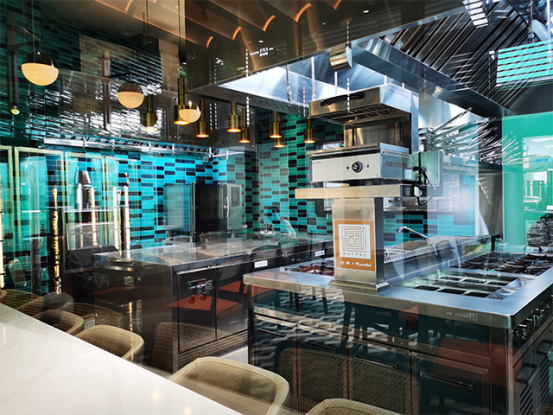
El papel de los proveedores de equipos en la expansión del negocio de restaurantes
Proveedores de equipos para restaurantes comerciales desempeñan un papel estructural en la trayectoria de crecimiento de las empresas de servicios alimentarios. Más allá de su función transaccional de vender equipos para cocinas, un proveedor calificado ofrece consultoría sobre el diseño del espacio de cocina, la selección adecuada de equipos, la coordinación de la instalación y el soporte continuo de mantenimiento. Para una cadena de restaurantes que planea abrir su segunda o tercera ubicación, la relación con el proveedor afecta directamente el cronograma, el control presupuestario y la coherencia operativa. Un proveedor con experiencia en múltiples tipos de proyectos puede identificar redundancias en los equipos, recomendar alternativas que reduzcan los costos de servicios públicos y proporcionar instalaciones de referencia que validen el rendimiento de los equipos en condiciones reales. Por lo tanto, la evaluación de un proveedor debe ir más allá de la amplitud del catálogo de productos e incluir la capacidad de gestión de proyectos, la profundidad del servicio técnico y la capacidad de respuesta posventa.
Especificación de Equipos y Gestión del Ciclo de Vida
Un proveedor que comprende las exigencias operativas de distintos formatos de restaurantes puede orientar a los compradores hacia equipos que coincidan con su volumen, complejidad del menú y estilo de servicio. Por ejemplo, un restaurante de servicio rápido que opera 14 horas al día requiere equipo de cocina equipos calificados para ciclos de funcionamiento continuo, mientras que un establecimiento de alta cocina puede priorizar el control preciso de la temperatura sobre la capacidad de procesamiento. El proveedor debe proporcionar especificaciones técnicas del equipo que incluyan clasificaciones del ciclo de trabajo, datos de consumo energético e intervalos recomendados de mantenimiento. La gestión del ciclo de vida también implica planificar el reemplazo del equipo antes de que ocurra una falla. Un proveedor que conserve registros de servicio para cada unidad instalada puede predecir el momento óptimo de reemplazo basándose en los patrones de uso, ayudando así a los operadores de restaurantes a presupuestar de forma proactiva, en lugar de reaccionar ante averías de emergencia que interrumpen el servicio.
Coordinación de la instalación y soporte para la puesta en marcha
La fase de instalación representa el período de mayor riesgo en el ciclo de adquisición de equipos. Proveedores de equipos para restaurantes comerciales los proveedores que ofrecen servicios de instalación llave en mano coordinan la secuencia de entrega de equipos, conexiones a los servicios públicos y puesta en marcha final. Esta coordinación evita problemas comunes, como la llegada anticipada de los equipos antes de que se completen las instalaciones preliminares de los servicios públicos, o conexiones de gas y eléctricas que no coinciden con las especificaciones de los equipos. Un proveedor que gestione la instalación debe proporcionar una lista de verificación para la puesta en marcha que confirme que cada equipo opera dentro de los parámetros especificados de temperatura, presión y seguridad. Por ejemplo, un proveedor que coordine la instalación de una cocina para un restaurante de 60 asientos programaría primero la línea de cocción, seguida de refrigerador , luego la ventilación y, por último, los utensilios pequeños, asegurando que cada fase se pruebe antes de iniciar la siguiente. Este enfoque reduce el riesgo de descubrir problemas de integración el día de la inauguración.
Capacitación e infraestructura de servicio posventa
El rendimiento del equipo depende en gran medida de cómo el personal lo utiliza y lo mantiene. Los proveedores que ofrecen capacitación in situ durante la fase de puesta en marcha ayudan a los equipos de restaurantes a comprender correctamente los procedimientos de arranque, los protocolos de limpieza y las primeras señales de problemas mecánicos. La infraestructura de servicio posventa incluye acceso a piezas de repuesto, compromisos de tiempo de respuesta para reparaciones de emergencia y programas programados de mantenimiento preventivo. Una métrica práctica de evaluación es el tiempo medio de respuesta del proveedor a las llamadas de servicio. Un proveedor que mantiene un compromiso de respuesta en 24 horas para llamadas de emergencia y uno de 48 horas para solicitudes de servicio estándar demuestra una infraestructura de servicio capaz de apoyar operaciones en múltiples ubicaciones. Los grupos de restaurantes que evalúan proveedores deben solicitar por escrito el acuerdo de nivel de servicio, incluidas las sanciones por incumplimiento de los tiempos de respuesta, para garantizar la responsabilidad.
Fiabilidad de la cadena de suministro y gestión de tiempos de entrega
Para las operaciones de restaurantes en expansión, los plazos de entrega del equipo afectan directamente los cronogramas de los proyectos. La capacidad de un proveedor para ofrecer plazos de entrega precisos y mantener existencias de seguridad para artículos críticos, como compresores de refrigeración, controles termostáticos y filtros de repuesto, distingue a los proveedores confiables de los vendedores meramente transaccionales. La confiabilidad de la cadena de suministro adquiere especial importancia cuando un grupo de restaurantes abre locales en distintas regiones o países, ya que el transporte internacional, el despacho aduanero y el cumplimiento de las normativas locales añaden capas de complejidad. Los proveedores con redes logísticas consolidadas pueden ofrecer envíos consolidados, gestionar la documentación de importación y coordinarse con contratistas locales para la instalación. Los operadores de restaurantes deben preguntar a los proveedores potenciales acerca de sus plazos de entrega habituales para paquetes estándar de equipos, su política respecto a artículos agotados y su experiencia en proyectos ubicados en la región objetivo.
Construcción de una asociación a largo plazo con el proveedor
Una relación con un proveedor que apoya el crecimiento evoluciona de una serie de transacciones a una asociación estratégica. Esta evolución exige que el proveedor comprenda el modelo de negocio del operador de restaurantes, su cronograma de expansión y sus estándares operativos. Los indicadores clave de un proveedor listo para una asociación incluyen: disposición a ofrecer paquetes de equipos personalizados en lugar de soluciones listas para usar, capacidad para ampliar la cobertura de servicios conforme el grupo de restaurantes se expande y comunicación proactiva sobre actualizaciones o retiros de productos. Un proveedor que ha demostrado 18 años de experiencia en proyectos, completado más de 8.000 instalaciones en 150 países y mantenido asociaciones con marcas globales de hospitalidad como Marriott, Hilton y Radisson ejemplifica la profundidad de capacidad necesaria para respaldar un crecimiento a largo plazo. Los operadores de restaurantes deben evaluar a los proveedores potenciales según estos criterios, solicitar estudios de caso de proyectos comparables y establecer reuniones periódicas de revisión para garantizar que la relación siga aportando valor a medida que el negocio escala. Asimismo, los operadores deben definir indicadores clave de desempeño para la relación, tales como el tiempo de respuesta ante solicitudes de servicio, la disponibilidad de piezas de repuesto y la exactitud en las entregas, y revisarlos regularmente con el proveedor. Un proveedor que comparta sus niveles de inventario y sus pronósticos de tiempos de entrega ayuda al operador a planificar renovaciones y reemplazos de equipos sin interrupciones. Con el tiempo, un proveedor comprobado se convierte en un recurso estratégico: uno que entiende tan bien la evolución del menú del operador, sus planes de crecimiento y sus estándares de calidad que puede recomendar el equipo adecuado incluso antes de que surja una necesidad urgente. Este tipo de asociación respalda directamente la expansión, ya que un rendimiento constante del equipo en todas las ubicaciones simplifica la capacitación, estandariza las piezas de repuesto y hace predecibles los costos operativos.
P: ¿Qué debo buscar al evaluar proveedores de equipos para restaurantes comerciales ?
R: Evalúe a los proveedores según su capacidad de gestión de proyectos, profundidad del servicio técnico, capacidad de respuesta posventa, fiabilidad de la cadena de suministro y disposición para ofrecer soluciones personalizadas. Solicite estudios de caso de proyectos similares en restaurantes y verifique sus acuerdos de nivel de servicio.
P: ¿Cómo apoyan los proveedores de equipos la expansión de cadenas de restaurantes?
R: Los proveedores apoyan la expansión al ofrecer paquetes de equipos uniformes en todas las ubicaciones, coordinar instalaciones en múltiples sitios, gestionar la logística y los trámites aduaneros para aperturas internacionales y ampliar su cobertura de servicio conforme crece la huella operativa.
P: ¿Cuál es el plazo de entrega típico para equipos comerciales de restaurante?
R: Los plazos de entrega varían según el tipo de equipo y el proveedor. El equipo de cocina estándar puede enviarse en 2-4 semanas, mientras que la fabricación personalizada y los artículos importados pueden tardar entre 8 y 12 semanas. Los proveedores confiables ofrecen estimaciones precisas de los plazos de entrega y mantienen existencias de seguridad para componentes críticos.