পরবর্তী বিক্রয়:
 EN
EN
 AR
AR
 HR
HR
 NL
NL
 FI
FI
 FR
FR
 DE
DE
 EL
EL
 HI
HI
 IT
IT
 PT
PT
 RO
RO
 RU
RU
 ES
ES
 TL
TL
 ID
ID
 SL
SL
 VI
VI
 ET
ET
 MT
MT
 TH
TH
 FA
FA
 AF
AF
 MS
MS
 IS
IS
 MK
MK
 HY
HY
 AZ
AZ
 KA
KA
 UR
UR
 BN
BN
 BS
BS
 KM
KM
 LO
LO
 LA
LA
 MN
MN
 NE
NE
 MY
MY
 UZ
UZ
 KU
KU


সংবাদ
মঙ্গোলিয়াতে একটি বাণিজ্যিক রান্নাঘর স্থাপনের জন্য প্রয়োজনীয় গাইড
সম্প্রতি কয়েক বছরে মঙ্গোলিয়ায় ফুডসার্ভিস শিল্প দ্রুত বৃদ্ধি পাচ্ছে। ব্যস্ত কিউএসআরগুলি থেকে আরামদায়ক ক্যাফে এবং জনপ্রিয় পিজ্জেরিয়াগুলি পর্যন্ত, এই গতি বাস্তব, এবং বাণিজ্যিক রান্নাঘর সেটআপের প্রতি প্রত্যাশা এখন আগের চেয়েও বেশি।
এখানে একটি নির্ভরযোগ্য রান্নাঘর তৈরি করা ইউরোপ বা চীন থেকে লেআউট অনুলিপি করার মতো সহজ নয়। বাজারটি এখনও বিকাশাধীন, এবং মঙ্গোলিয়া এমন চ্যালেঞ্জের এক অনন্য মিশ্রণ নিয়ে আসে যা সাধারণ কার্যক্রমকে সহজেই ব্যাহত করতে পারে। আপনি পৃথিবীর অন্যতম কঠোরতম মহাদেশীয় জলবায়ুর মুখোমুখি, যা তাপ নিরোধক এবং রেফ্রিজারেশন কে তাদের সীমার মধ্যে ঠেলে দেয়। সরবরাহ শৃঙ্খল অপ্রত্যাশিত হতে পারে, যেখানে একটি অনুপস্থিত স্পেয়ার পার্ট সপ্তাহের জন্য পরিষেবা বন্ধ করে রাখতে পারে। এবং তার ওপরে, স্থানীয় ইউটিলিটিগুলি নিজস্ব জটিলতা নিয়ে আসে, যেমন অস্থির গ্যাস চাপ এবং কঠিন জল যা কয়েক মাসের মধ্যেই সাধারণ যন্ত্রপাতিকে ক্ষয় করে ফেলতে পারে।
এটি SHINELONG , আমরা এফঅ্যান্ডবি খাতে এক দশকের বেশি সময় ধরে কাজ করেছি, যার মধ্যে মঙ্গোলিয়াতে ব্যাপক হাতে-কলমে অভিজ্ঞতা অন্তর্ভুক্ত। আপনি যদি একটি অনাড়ম্বর রেস্তোরাঁ, একটি বিশাল খাদ্য উৎপাদন সুবিধা বা একটি সম্প্রসারিত ফ্র্যাঞ্চাইজি পরিচালনা করেন না কেন, এই গাইডটি আপনাকে একটি বাণিজ্যিক রান্নাঘর তৈরি করার কিছু পেশাদার দৃষ্টিভঙ্গি সম্পর্কে ধারণা দেবে যা নিয়মানুবর্তী, কার্যকর এবং দীর্ঘস্থায়ী।
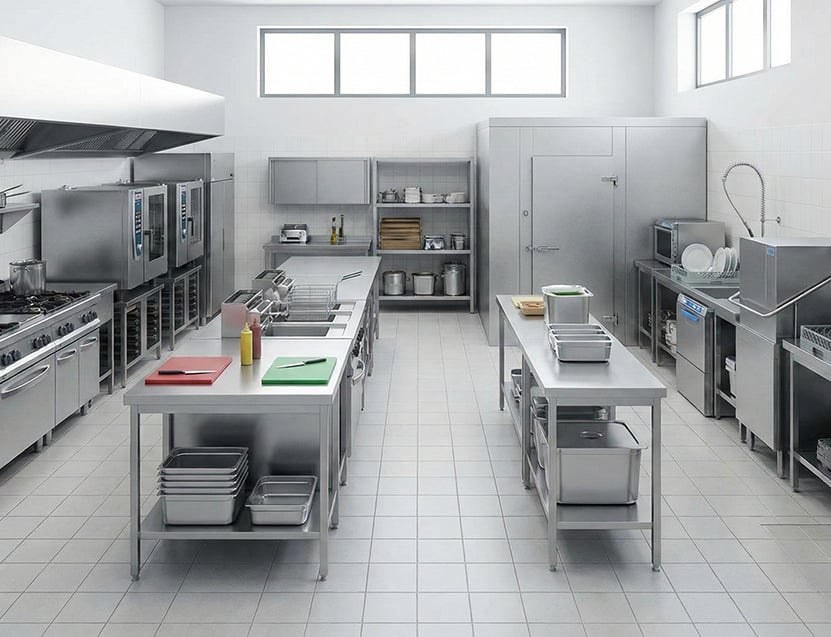
ভিত্তি: বাণিজ্যিক রান্নাঘরের যুক্তিসঙ্গত এবং স্কেলযোগ্য নকশা
আমরা যদি রান্নার চুলা এবং ফ্রিজগুলির দিকে না যাই, তবুও আমাদের সবার আগে একটি বড় বিষয় সমাধান করা দরকার: লেআউট এবং কর্মীদের গতিপ্রকৃতি। এগুলি প্রতিটি রান্নাঘরের ভিত্তি, বিশেষ করে একটি ফুড প্রসেসিং সেন্টার (FPC)-এ, যেখানে প্রতিদিন 1,000 অংশ এর বেশি উৎপাদন হয়। এমন একটি বাজারে যেখানে শ্রমের খরচ ক্রমাগত বাড়ছে এবং খাবার প্রস্তুতের প্রতিটি পদক্ষেপ ক্রমশ শ্রম-নিবিড় হয়ে উঠছে, আপনার লেআউটের দক্ষতা সরাসরি আপনার লাভের হারকে প্রভাবিত করে।
ডেলিভারি ডক থেকে ডাইনিং টেবিল পর্যন্ত একটি নিরবচ্ছিন্ন যাত্রা তৈরি করার লক্ষ্য রয়েছে। নিচে পাঁচটি ক্লাসিক লেআউট দেওয়া হল যা বিশ্বব্যাপী ফুডসার্ভিস খাতে সবচেয়ে সফল প্রমাণিত হচ্ছে।
১. অ্যাসেম্বলি লাইন লেআউট
দ্রুত বর্ধনশীল QSR এবং ফাস্ট-ক্যাজুয়াল অপারেটরদের জন্য প্রচলিত সেটআপ। যদি আপনার মেনু কেন্দ্রিক হয় (বার্গার, বুরিটো, নুডল বাটি) এবং গতি আপনার প্রধান KPI হয়, তবে এটি আপনার জন্য উপযুক্ত লেআউট।
• এটি কীভাবে কাজ করে: সরঞ্জামগুলি একটি সরল, যুক্তিযুক্ত প্রবাহে সাজানো হয়। উপকরণগুলি এক প্রান্তে প্রবেশ করে, প্রস্তুতি এবং রান্নার মধ্য দিয়ে যায় এবং পিকআপ পয়েন্টে শেষ হয়।
• এটি কেন কাজ করে: প্রশিক্ষণ সহজ এবং স্টেশন-কেন্দ্রিক হয়ে ওঠে। এবং উচ্চ পরিমাণের সময়কালে, রান্নারা একে অপরের পথে আসে না বা একে অপরকে ধীর করে না, যা থ্রুপুটকে উচ্চ রাখে।
২. দ্বীপ লেআউট
সাধারণত শহরের কেন্দ্রে অবস্থিত বৃহত্তর হোটেল এবং ভোজসভাগুলিতে দেখা যায়।
• এটি কীভাবে কাজ করে: দ্য রান্নার উপকরণ (রেঞ্জ, ওভেন, ফ্রায়ার) ঘরের মাঝখানে একটি কেন্দ্রীয় ব্লকে সংবলিত থাকে, যখন প্রস্তুতি, ধোয়া এবং সংরক্ষণের জায়গাগুলি পরিধির দেয়াল বরাবর থাকে।
• এটি কেন কাজ করে: এটি যোগাযোগকে সহজতর করে। এক্সিকিউটিভ শেফ পাসের কাছে দাঁড়িয়ে প্রতিটি স্টেশন দেখতে পারবেন। এটি খোলা, হালকা অনুভূতি তৈরি করে যা তাপ বিকিরণে সাহায্য করে—একটি গুরুত্বপূর্ণ বিষয় যখন আপনার উচ্চ-BTU ওয়োক সারাদিন জ্বলছে।
3. জোন-স্টাইল লেআউট
এটি একটি খাদ্য প্রক্রিয়াকরণ কেন্দ্র বা একটি গোস্ট কিচেনের জন্য ক্রমাগত জনপ্রিয় হয়ে উঠছে .
• কিভাবে কাজ করে: রান্নার ধরন অনুযায়ী রান্নাঘরটি আলাদা ব্লকে বিভক্ত করা হয়। আপনার কাছে থাকতে পারে "সালাদ/ঠান্ডা প্রস্তুতি" অঞ্চল, একটি "গভীর ভাজা" অঞ্চল এবং একটি "বেকিং" অঞ্চল।
• এটি কেন কাজ করে: এটি খাদ্য নিরাপত্তা মেনে চলার জন্য অপরিহার্য আন্তঃদূষণ প্রতিরোধ করে। এটি নির্দিষ্ট অঞ্চলের জন্য বিশেষ ভেন্টিলেশন স্থাপনের অনুমতি দেয় (যেমন গ্রিল অঞ্চলের উপরে শক্তিশালী নিষ্কাশন), যা শান্ত স্টেশনগুলিতে শক্তি সাশ্রয় করে।
4. গ্যালি লেআউট
ছোট ক্যাফে, কনটেইনার কিচেন এবং মোবাইল বিক্রেতাদের জন্য, গ্যালি লেআউট দক্ষতার রাজা।
• কিভাবে কাজ করে: দুটি সমান্তরাল সরঞ্জামের সারি, মাঝে একটি সংকীর্ণ অ্যাইল। একদিকে সাধারণত রান্না; অন্যদিকে প্রস্তুতি।
• এটি কেন কাজ করে: এটি উল্লম্ব এবং অনুভূমিক স্থানের প্রতিটি বর্গ ইঞ্চিকে ব্যবহার করে। এটি ক্ষুদ্র, কিন্তু দুই জনের দলের জন্য এটি অত্যন্ত মানবদেহীয়।
৫. ওপেন কিচেন
এটি একটি ডিজাইন পছন্দ যা বিপণন উদ্দেশ্য পরিবেশন করে।
• কিভাবে কাজ করে: "ব্যাক অফ হাউস" হয়ে ওঠে "ফ্রন্ট অফ হাউস"। রান্নার লাইনটি অতিথিদের কাছে দৃশ্যমান হয়।
• এটি কেন কাজ করে: বিশ্বজুড়ে প্রতিটি ডাইনার তাজা এবং স্বচ্ছতা মূল্যবোধ করে। ওক বা গ্রিলের শিখা দেখা খাওয়ার অভিজ্ঞতায় আড়ম্বর যোগ করে। তবে, এটি নিখুঁত ভেন্টিলেশন এবং পরিষ্কার পরিচ্ছন্ন যন্ত্রপাতি রক্ষণাবেক্ষণ প্রয়োজন, কারণ এখানে কোনও গোলমাল লুকানোর জায়গা নেই।
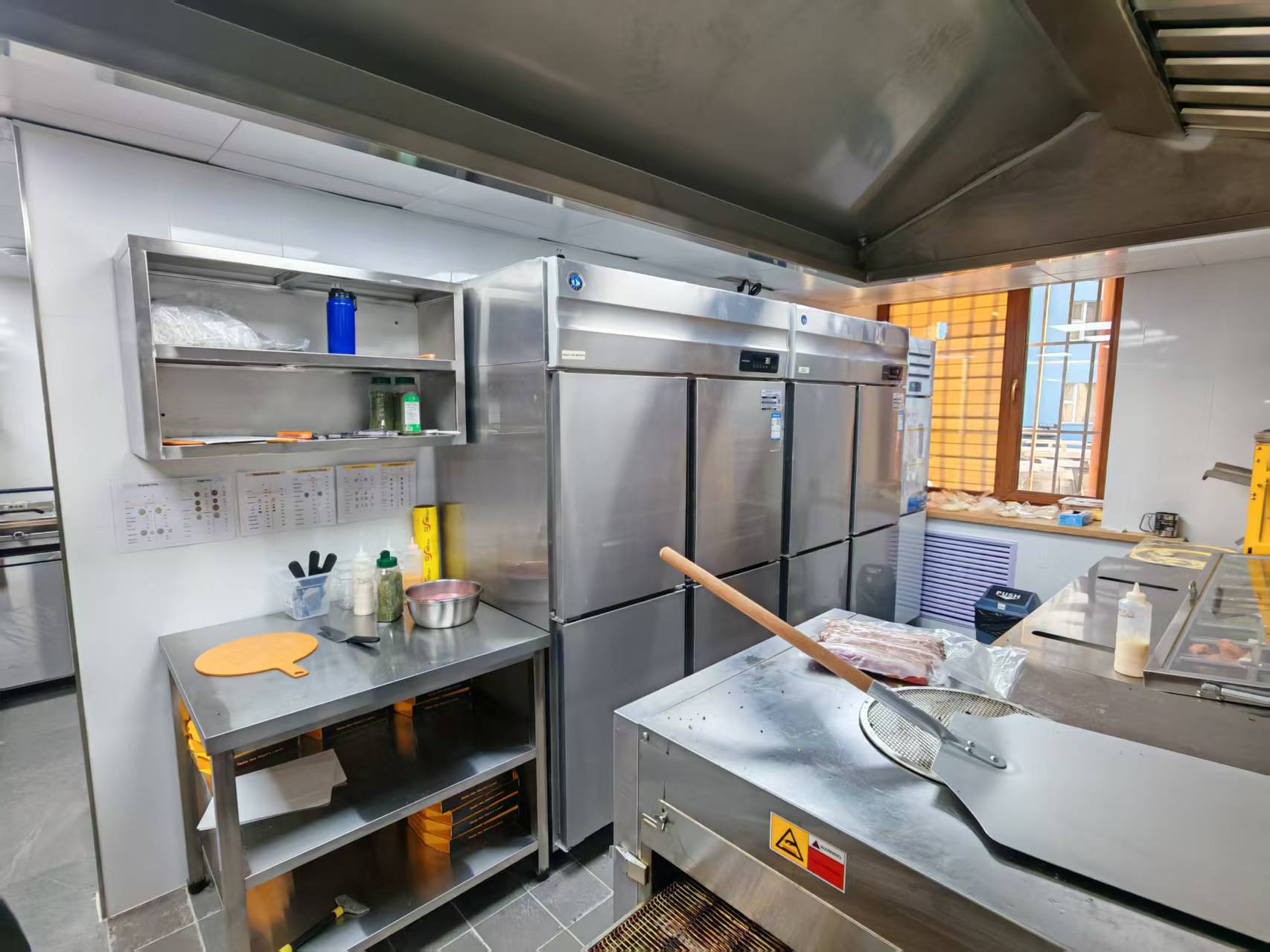
বাণিজ্যিক রান্নাঘরের জন্য প্রয়োজনীয় যন্ত্রপাতির লাইন
এই অংশটি অধিকাংশ মালিকই উপেক্ষা করে। কেবল ক্যাটালগ থেকে যন্ত্রপাতি অর্ডার করে তা কাজ করার আশা করা হয় না। আপনার স্থানীয় ইউটিলিটি শর্তগুলি মোকাবেলা করার জন্য বিশেষভাবে নির্বাচিত যা আমরা "মঙ্গোলিয়া স্পেক" যন্ত্রপাতি বলি তা আপনার প্রয়োজন।
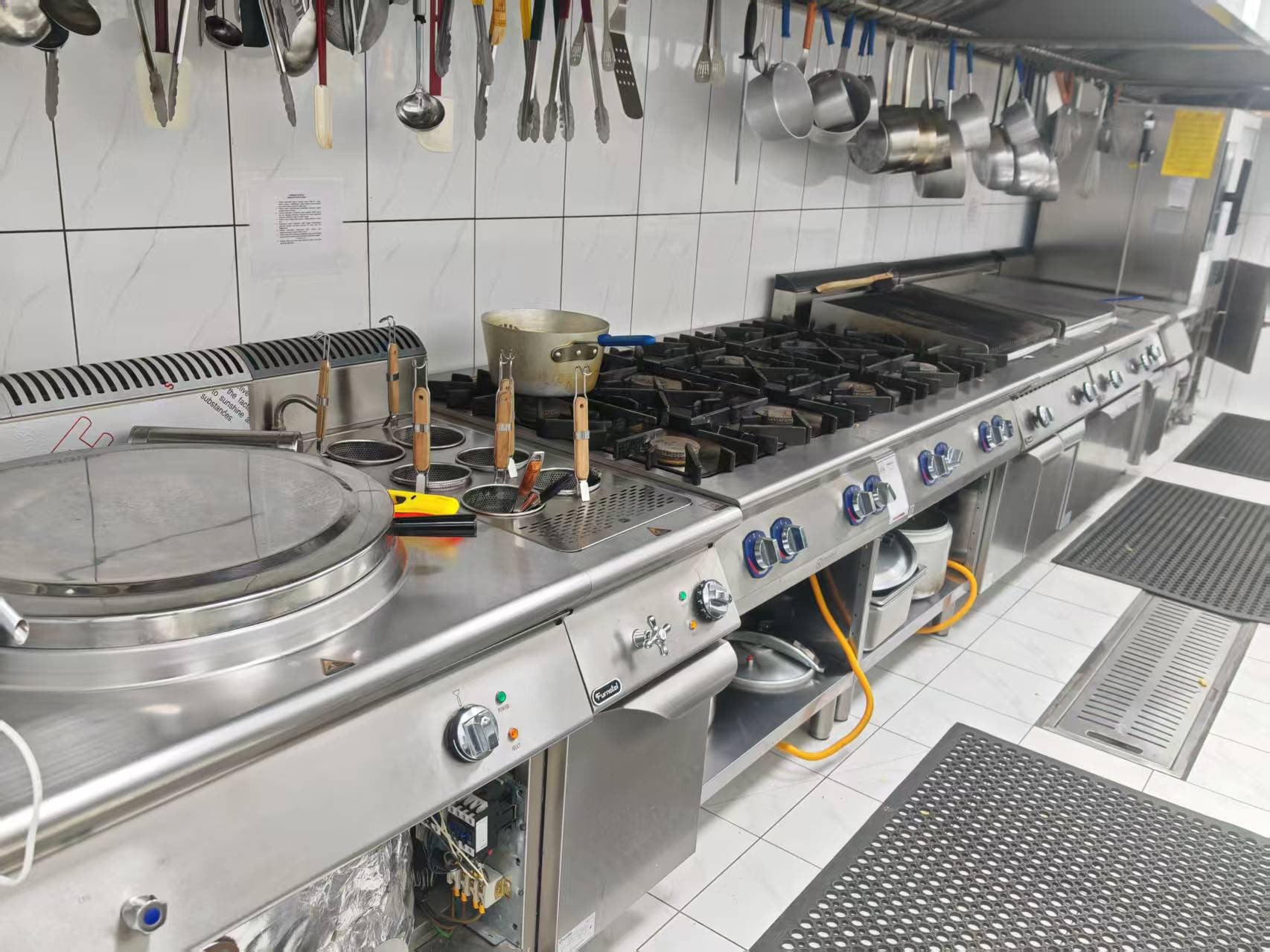
রান্নার উপকরণ
স্থানীয় রেস্তোরাঁর মালিকদের কাছ থেকে আমরা যে অভিযোগটি প্রায়শই শুনি তা হল: "আমার আমদানিকৃত চুলার শিখা দুর্বল।" অপরাধী প্রায়শই সরঞ্জামের ডিজাইন এবং স্থানীয় গ্যাস চাপ নিয়ন্ত্রণের মধ্যে অমিল। অন্যান্য বাজারের জন্য ডিজাইন করা স্ট্যান্ডার্ড বার্নারগুলি মঙ্গোলিয়ান রান্নার জন্য প্রয়োজনীয় ভারী ভাজা এবং ফোটানোর জন্য যথেষ্ট তাপ উৎপাদন করতে পারে না।
আমরা বিশেষভাবে সেই ধরনের রেঞ্জগুলির পরামর্শ দিই যাতে সামঞ্জস্যযোগ্য রেগুলেটর থাকে যা স্থানীয় গ্যাস লাইনের চাপের সাথে সামঞ্জস্য করা যায়। বাণিজ্যিক ওয়ক রেঞ্জের ক্ষেত্রে, প্রতিরোধী ইটের নিরোধক যথেষ্ট ঘন কিনা তা নিশ্চিত করা খুবই গুরুত্বপূর্ণ যাতে তাপ হাড়িতে থাকে এবং আপনার রান্নাঘরে ছড়িয়ে পড়ে না।
- রান্নার রেঞ্জ (চুলা, চীনা ওয়ক, গ্যাস, আনয়ন)
- ওভেন (কম্বি, কনভেকশন, ডেক)
- গ্রিল (গ্রিডল, কয়লা, বৈদ্যুতিক, গ্যাস)
- ফ্রায়ার (ডিপ ফ্রায়ার, চাপ ফ্রায়ার)
- ঢালু ফ্রাইং প্যান
- রোটিসেরি
রেফ্রিজারেশন এবং সংরক্ষণ
যে দেশ শীতের জন্য পরিচিত সেখানে শীতলীকরণ নিয়ে চিন্তা করা অদ্ভুত মনে হতে পারে, কিন্তু চরম তাপমাত্রার পরিবর্তন কম্প্রেসারের জন্য মারাত্মক।
শীতকালে, পরিবেশগত তাপমাত্রা হঠাৎ করে কমে যেতে পারে, যখন অভ্যন্তরীণ হিটিং বাড়িয়ে দেওয়া হয়। গ্রীষ্মকালে, রান্নাঘরগুলি অত্যন্ত উত্তপ্ত হয়ে উঠতে পারে। এই তাপমাত্রার পরিবর্তনের মধ্যে অভ্যন্তরীণ তাপমাত্রা নিয়ন্ত্রণ করতে স্ট্যান্ডার্ড কম্প্রেসারগুলি সংগ্রাম করে। এই কারণে উষ্ণ অঞ্চলের জন্য তৈরি কম্প্রেসার (উচ্চ পরিবেশগত তাপমাত্রার জন্য ডিজাইন করা) এবং ভারী ধরনের তাপ নিরোধক সহ রেফ্রিজারেটর ও ফ্রিজারগুলিতে বিনিয়োগ করা খুবই গুরুত্বপূর্ণ।
- ওয়াক-ইন কুলার
- রিচ-ইন রেফ্রিজারেশন
- আন্ডারকাউন্টার কুলার
- স্টেইনলেস স্টিলের তাক
ফুড প্রসেসিং মেশিন
এখানে টেকসই হওয়াই মূল কথা। মাংসযুক্ত মেনুর জন্য, আপনার প্রয়োজন শিল্প ধরনের স্লাইসার, বাণিজ্যিক ব্যবহারের জন্য গ্রাইন্ডার এবং হাড় কাটার সাঁতলা যা প্লাস্টিকের উপাদান নয়, কঠিন ইস্পাতের গিয়ার ব্যবহার করে। এই "খরচযোগ্য" অংশগুলি (ব্লেড, গিয়ার) আগে থেকে সংগ্রহ করা ডাউনটাইম এড়ানোর জন্য একটি বুদ্ধিমানের কাজ হবে। ফুড প্রসেসিং মেশিন অবশ্যই অপরিহার্য!
ওয়াটার ফিল্ট্রেশন সিস্টেম
এটি সম্ভবত মঙ্গোলিয়ার বাণিজ্যিক রান্নাঘরগুলির জন্য একক বৃহত্তম "নীরব হত্যাকারী"। অনেক অঞ্চলের জলের সরবরাহ খুবই "কঠিন"—যা ক্যালসিয়াম এবং ম্যাগনেসিয়ামের মতো খনিজ দিয়ে পরিপূর্ণ।
যখন কঠিন জল উত্তপ্ত হয় (একটি স্টিমার, কম্বি ওভেন, ডিশ ওয়াশিং মেশিন , বা টিল্ট স্কিলেটে), তখন এটি পিছনে চুনের আস্তরণ রেখে যায়। এই আস্তরণ তাপ উৎপাদনকারী উপাদানগুলিকে ঢেকে দেয়, যা একটি অন্তরকের মতো কাজ করে। আপনার বয়লারকে জল গরম করতে দ্বিগুণ কাজ করতে হবে, যার ফলে অবশেষে উপাদানটি পুড়ে যায় বা সেন্সরগুলি বন্ধ হয়ে যায়।
একটি বাণিজ্যিক জল ফিল্টারেশন এবং সফটেনিং সিস্টেম ঐচ্ছিক নয়; এটি আপনার বিনিয়োগের জন্য বাধ্যতামূলক সুরক্ষা।
ভেন্টিলেশন এবং অগ্নি নিরাপত্তা
মঙ্গোলিয়ান রান্না প্রায়শই গ্রিলিং, ফ্রাইং এবং রোস্টিং নিয়ে গঠিত, যা গ্রিজ এবং ধোঁয়ার উল্লেখযোগ্য পরিমাণ তৈরি করে। একটি সাধারণ আবাসিক হুড এর সাথে মোকাবিলা করতে পারবে না।
আপনার একটি উচ্চ CFM (প্রতি মিনিটে ঘনফুট) রেটিং সহ একটি বাণিজ্যিক এক্সহস্ট হুডের প্রয়োজন। আমরা মেশ ফিল্টারের পরিবর্তে ব্যাফেল ফিল্টার সহ হুড ব্যবহারের পরামর্শ দিই। ব্যাফেল ফিল্টার গ্রিজকে আরও কার্যকরভাবে আটকে রাখে এবং পরিষ্কার করা সহজ, যা আগুনের ঝুঁকি কমায়।
একটি সিল করা, তাপ-নিরোধক ভবনে (মঙ্গোলিয়ার শীতকালের জন্য সাধারণ), যদি আপনি বাতাস বের করে নেন, তবে আপনাকে তাজা বাতাস ঢুকিয়ে দিতে হবে। "সরবরাহ বাতাস" ইউনিট ছাড়া, আপনার রান্নাঘর ঋণাত্মক চাপ তৈরি করে, ডাইনিং রুম থেকে ঠাণ্ডা বাতাস টেনে নেয় এবং দরজাগুলি জোরে বন্ধ করে দেয়। এটি নিষ্কাশন ফ্যানকে আরও বেশি কাজ করতে বাধ্য করে।
অগ্নি নিরোধক: আমাদের পূর্ববর্তী নিরাপত্তা গাইডগুলিতে আলোচনা করা হয়েছে, হুডের সঙ্গে সরাসরি সংযুক্ত একটি স্বয়ংক্রিয় অগ্নি নিরোধক ব্যবস্থা (যেমন একটি তরল রাসায়নিক ব্যবস্থা) অনুযায়ী অনুমোদন ও নিরাপত্তার জন্য অপরিহার্য।
বাণিজ্যিক রান্নাঘরের জন্য অগ্নি নিরোধক ব্যবস্থা সম্পর্কে আপনার যা জানা দরকার সবকিছু
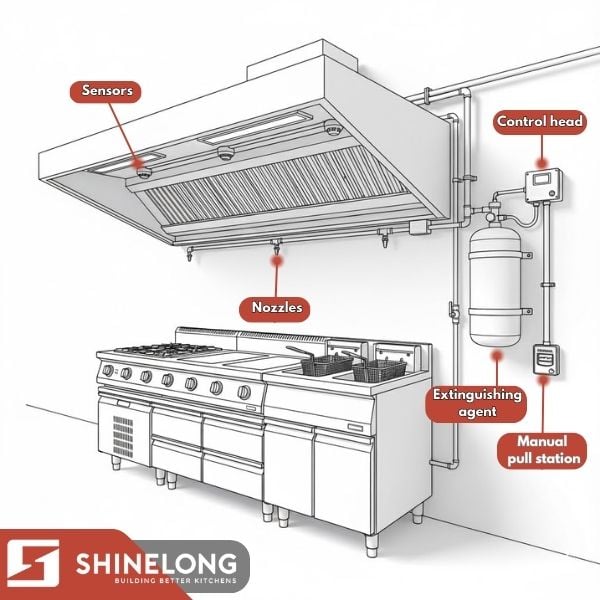
স্থানীয় নিয়ম ও অনুপাতন নেভিগেট করা
1. HACCP প্রবাহ: স্বাস্থ্য পরিদর্শকরা এমন একটি প্রবাহ খুঁজবেন যা আন্তঃদূষণ প্রতিরোধ করে। কাঁচা খাবার সরবরাহের স্থানগুলি বর্জ্য নিষ্কাশন পথ থেকে পৃথক হতে হবে। শাকসবজি প্রস্তুতির জন্য জলের নল মাংস প্রস্তুতির জন্য জলের নল থেকে আলাদা হতে হবে।
২. কাঠামোগত সম্মতি: মেঝেগুলি অবশ্যই পিছল প্রতিরোধী, অ-শোষক এবং দেয়ালের সংযোগস্থলে বাঁকানো (কাভড) হতে হবে যাতে সহজে পরিষ্কার করা যায়। দেয়ালগুলি অবশ্যই নির্দিষ্ট উচ্চতা পর্যন্ত টালি দিয়ে ঢাকা থাকবে অথবা স্টেইনলেস স্টিল/এফআরপি শীট দিয়ে আবৃত থাকবে।
৩. গ্রিজ ট্র্যাপ: আপনি শহরের নালায় গ্রিজ ফেলতে পারবেন না। সঠিক আকারের গ্রিজ ট্র্যাপ আইনী প্রয়োজনীয়তা। এটি নিয়মিত পরিষ্কারের জন্য সুলভ হতে হবে।
৪. গ্যাস নিরাপত্তা: গ্যাস লাইনের জন্য সার্টিফিকেশন প্রয়োজন। পরীক্ষকরা জরুরি বন্ধ ভালভ এবং গ্যাস যন্ত্রপাতির সঠিক ভেন্টিলেশন পরীক্ষা করবেন। টিপস: সর্বদা একজন স্থানীয় কনসালট্যান্ট বা সেই ধরনের অংশীদারকে নিয়োগ করুন যিনি বর্তমান স্থানীয় অগ্নি এবং স্বাস্থ্য কোডের নির্দিষ্ট বৈশিষ্ট্যগুলি বোঝেন।
অপারেশনাল উৎকর্ষ: রক্ষণাবেক্ষণ সংস্কৃতি
পরিচর্যা এবং রক্ষণাবেক্ষণের সংস্কৃতি গড়ে তোলা। আমাদের সাইট পরিদর্শন এবং অধ্যয়নের মাধ্যমে, মঙ্গোলিয়ার অধিকাংশ যন্ত্রপাতি প্রায়শই উৎপাদন ত্রুটির কারণে ব্যর্থ হয় না, বরং "ব্যবহারকারীর ত্রুটি" এবং রক্ষণাবেক্ষণের অভাবের কারণে হয়।
১. প্রশিক্ষণ: কর্মীদের প্রশিক্ষণ দিতে হবে যে যন্ত্রপাতি পরিষ্কার করা রান্নার অংশ। এটি কোনও পরবর্তী চিন্তা নয়।
২. "আপনি যাচ্ছেন তখনই পরিষ্কার করুন" নীতি: গ্রিজ জমা হওয়া আগুনের ঝুঁকি বাড়ায়। স্কেল জমা হওয়া যন্ত্রপাতির জন্য ঘাতক। কঠোর দৈনিক, সাপ্তাহিক এবং মাসিক পরিষ্কারের সময়সূচী চালু করুন।
৩. দৃশ্যমান ব্যবস্থাপনা: একটি "পরিষ্কার" স্টেশন কেমন দেখতে হবে তা কর্মীদের কাছে সঠিকভাবে দেখানোর জন্য লেবেল, চেকলিস্ট এবং ছবি ব্যবহার করুন।
৪. স্পেয়ার পার্টসের সমস্যা। এখানে একটি কঠোর বাস্তবতা: মঙ্গোলিয়া একটি ভাঙারাষ্ট্র। যোগাযোগ ধীর হতে পারে। আপনার কম্বি ওভেনের একটি গুরুত্বপূর্ণ উপাদান ব্যর্থ হলে, আপনি স্থানীয় গুদামে গাড়ি চালিয়ে গিয়ে সেটি কেবল তুলে নিতে পারবেন না। চীন বা ইউরোপ থেকে যন্ত্রাংশ পাঠাতে কয়েক সপ্তাহ সময় লাগতে পারে।
৫. কৌশল: যখন আপনি যন্ত্রপাতি কিনবেন, তখন অবিলম্বে স্পেয়ার পার্টসের "প্রথম সাহায্য কিট" কিনুন। এতে অতিরিক্ত গ্যাসকেট, থার্মোকাপল, ফিউজ এবং ফ্যান বেল্ট অন্তর্ভুক্ত থাকা উচিত।
6. পার্টনার: একজন নির্ভরযোগ্য বাণিজ্যিক রান্নাঘরের সরবরাহকারী নির্বাচন করুন যিনি পোস্ট-বিক্রয় সমর্থনের গ্যারান্টি দেন। SHINELONG-এ, আমাদের পোস্ট-বিক্রয় কেন্দ্রটি আমাদের সমস্ত ক্লায়েন্টদের যত্ন নেওয়ার জন্য তৈরি করা হয়েছে কারণ আমরা জানি যে ডাউনটাইম মানেই আয়ের অপচয়। আমরা আপনাকে সেই অংশগুলি কী কী নষ্ট হতে পারে তা আনুমান করতে সাহায্য করি যাতে আপনার কাছে সেগুলি শেলফে থাকে, সীমানা পার করে যাওয়া একটি শিপিং কনটেইনারের ভিতরে নয়।
আপনি কেন SHINELONG-এ বিশ্বাস করতে পারেন
মঙ্গোলিয়াতে একটি বাণিজ্যিক রান্নাঘর স্থাপন করা একটি বিশাল কাজ, কিন্তু আপনাকে এটি একা করতে হবে না। SHINELONG-এ, আমরা শুধুমাত্র সরঞ্জাম বিক্রি করি না; আমরা বাণিজ্যিক রান্নাঘরের জন্য টার্নকি সমাধান প্রদান করি। আমরা মঙ্গোলিয়াতে আমাদের ক্লায়েন্টদের কাছে গিয়েছি। আমরা আপনার রান্নাঘরগুলি পেরিয়ে গেছি, পরিবেশের তাপমাত্রা অনুভব করেছি এবং সমস্যাগুলি বুঝতে পেরেছি। মঙ্গোলিয়ার জন্য কোন মান উপযুক্ত তা আমরা বুঝি কারণ আমরা এটি অভিজ্ঞতা করেছি।
1. কাস্টম ডিজাইন: আমরা আপনার সাথে ঘনিষ্ঠভাবে কাজ করব এবং আপনার নির্দিষ্ট জায়গার সর্বোচ্চ ব্যবহার করার জন্য সুসংহত লেআউট তৈরি করব।
2. প্রয়োজন অনুযায়ী সরঞ্জাম: উচ্চ-BTU রেঞ্জ থেকে শুরু করে ভোল্টেজ-স্থিতিশীল রেফ্রিজারেশন পর্যন্ত, আপনার প্রয়োজন মতো যন্ত্রপাতি আমরা তৈরি করতে পারি।
3. লজিস্টিক্সে দক্ষতা: আপনার রান্নাঘর সময়মতো সাইটে পৌঁছানোর জন্য আমরা জটিল শিপিং এবং কাস্টমস ডকুমেন্টেশন মোকাবেলা করি।
4. বিক্রয়োত্তর 24/7: সরঞ্জাম সংক্রান্ত সমস্যা মোকাবেলার জন্য গ্রাহক কেন্দ্র সবসময় প্রস্তুত থাকে। আপনার কাজ শুধু আমাদের নম্বরে কল করা এবং আপনার প্রয়োজন কী তা আমাদের জানানো।
আপনার রান্নার ধারণা বাস্তবায়নের জন্য প্রস্তুত? আজই সাইট পরামর্শের জন্য আমাদের সংযোগ করুন!
প্রশ্নোত্তর (FAQs)
প্রশ্ন 1: মঙ্গোলিয়ায় আমার রান্নাঘরের জন্য কি সত্যিই একটি জল ফিল্টার সিস্টেম প্রয়োজন?
উত্তর: হ্যাঁ, সম্পূর্ণভাবে। অনেক এলাকায় জলের খারাপ গুণাগুণ ক্যালসিয়াম জমার দ্রুত হার ঘটায়। ফিল্টার ছাড়া, কম্বি ওভেন, স্টিমার এবং ডিশওয়াশারের মতো ব্যয়বহুল সরঞ্জামগুলি সময়ের আগেই ব্যর্থ হবে, যা প্রায়শই প্রস্তুতকারকের ওয়ারেন্টি বাতিল করে দেয়।
প্রশ্ন 2: উলানবাতোরে একটি ছোট রেস্তোরাঁর জন্য কোন রান্নাঘরের বিন্যাস সবচেয়ে ভাল?
উত্তর: ছোট আকারের জন্য, গ্যালি লেআউট প্রায়শই সবচেয়ে কার্যকর। এটি উল্লম্ব জায়গার সর্বোচ্চ ব্যবহার করে এবং ছোট দলের জন্য সবকিছু সহজলভ্য রাখে। তবে, আপনার নির্দিষ্ট মেনু এবং পরিবেশনের ধরনের উপর ভিত্তি করে সেরা লেআউট নির্ভর করে।
প্রশ্ন 3: আমার গ্যাস বার্নারগুলি কেন শক্তিশালী শিখা তৈরি করছে না?
উত্তর: এটি একটি সাধারণ সমস্যা যা প্রায়শই স্থানীয় গ্যাস চাপের সামগ্রীর ডিফল্ট রেটিংয়ের চেয়ে কম হওয়ার সাথে সম্পর্কিত, অথবা ভিন্ন ধরনের গ্যাসের (এলপিজি বনাম প্রাকৃতিক গ্যাস) জন্য ডিজাইন করা সরঞ্জাম ব্যবহার করা হয়। আপনার কাছে কমার্শিয়াল ব্যবহারের জন্য ডিজাইন করা সমন্বয়যোগ্য রেগুলেটর বা উচ্চ-বিটিইউ জেট বার্নার সহ সরঞ্জাম থাকা দরকার।
প্রশ্ন 4: আমি কি একটি ছোট ক্যাফে স্টার্টআপের জন্য আবাসিক সরঞ্জাম ব্যবহার করতে পারি?
উত্তর: এটি খুবই অনুপ্রেরণাহীন এবং প্রায়শই অবৈধ। আবাসিক সরঞ্জাম কমার্শিয়াল ব্যবহারের অবিরাম চাপ সামলাতে পারে না, আগুনের গুরুতর ঝুঁকি তৈরি করে (বীমা বাতিল করে), এবং দ্রুত ব্যর্থ হবে। এটি স্যানিটেশনের জন্য স্বাস্থ্য কোডের প্রয়োজনীয়তা পূরণ করে এমনটাও কমই হয়।
প্রশ্ন 5: কিছু ভেঙে গেলে আমি কীভাবে স্পেয়ার পার্টস মোকাবেলা করব?
উত্তর: যোগান চেইনের চ্যালেঞ্জগুলির কারণে, আমরা আপনার প্রধান সরঞ্জামগুলির পাশাপাশি "ক্রিটিক্যাল স্পেয়ার্স" প্যাকেজ কেনার পরামর্শ দিই। এতে সীলগুলি এবং থার্মোস্ট্যাটের মতো উচ্চ-ক্ষয়ক্ষরণযুক্ত আইটেম অন্তর্ভুক্ত থাকে। SHINELONG-এর মতো একটি সরবরাহকারীর সাথে অংশীদারিত্ব করা যা শক্তিশালী পরবর্তী বিক্রয় সমর্থন প্রদান করে, তা গুরুত্বপূর্ণ।
প্রশ্ন 6: আমার কোন কোন প্রধান কমপ্লায়েন্স চেকের জন্য প্রস্তুতি নেওয়া উচিত?
উত্তর: ফায়ার সেফটি (সংকোচন ব্যবস্থা, প্রস্থানপথ), ভেন্টিলেশন (নিষ্কাশন ক্ষমতা, পরিষ্কারের রেকর্ড), গ্রিজ ম্যানেজমেন্ট (ট্র্যাপ), এবং HACCP প্রোটোকল (কাঁচা/রান্না করা খাবারের পৃথকীকরণ) এর উপর কঠোর চেকের প্রত্যাশা করুন।